Key Notes
- BPCE will let 2 million clients buy BTC, ETH, SOL, and USDC directly through its apps starting December 8.
- Four regional banks begin the rollout, with full expansion across 29 banks planned for 2026.
- Launch aligns with France’s MiCA momentum as the country weighs a new “unproductive wealth” tax on crypto assets.
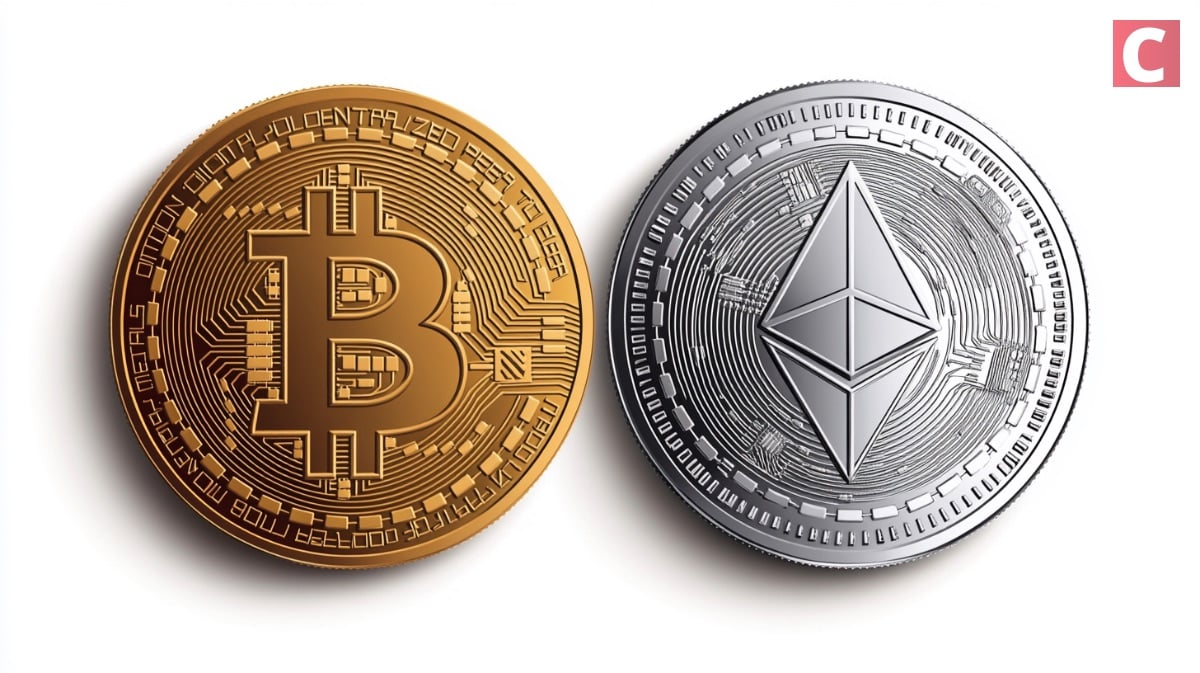
BPCE, France’s €1 trillion banking giant and the country’s second-largest financial group, will allow customers to buy Bitcoin, Ethereum, Solana, and USDC directly inside its mobile banking apps beginning Monday, Dec. 8. The move, first reported by The Big Whale, represents one of Europe’s most significant steps in integrating cryptocurrency transactions into banking institutions and infrastructure.
🔴 EXCLUSIVE @TheBigWhale_: BPCE now lets customers buy crypto assets.
Starting this Monday, the French bank’s customers will be able to purchase BTC, ETH, SOL, and USDC: https://t.co/J2C4UnWi68@GroupeBPCE, one of Europe’s leading banks, is rolling out this service in a first… pic.twitter.com/3olRgVoot4
— Raphaël Bloch 🐳 (@Raph_Bloch) December 6, 2025
According to an exclusive report from Raphaël Bloch, French co-founder of on-chain analytics firm TheBigWhale, the rollout begins on Monday, Dec 8, with four of the group’s 29 regional banks, targeting roughly two million clients in the initial phase.
Banque Populaire Île-de-France et Caisse d’Épargne Provence-Alpes-Côte d’Azur are among the first to onboard users. However, BPCE plans a full expansion across its remaining regional banks in 2026, contingent on performance metrics from the early launch cohort.
Crypto purchases and sales will take place within BPCE’s existing apps via a new digital asset account priced at €2.99 per month. Trading fees are set at 1.5%. Hexarq, the bank’s crypto subsidiary, will operate the service after receiving PSAN authorization nearly one year ago, allowing it to provide regulated digital asset services under France’s tightening compliance framework.
MiCa Implementation
The timing aligns with the accelerating implementation of MiCA across the European Union. France has emerged as one of the region’s most proactive jurisdictions, drawing interest from major global players. Gemini, the U.S.-based exchange, was one of the first exchanges to secure necessary approvals, expanding services to France in November 2024.
France’s regulatory swing also coincided with a growing political debate around digital wealth taxation. The National Assembly approved a proposal for an “unproductive wealth” tax on crypto assets in late October 2025. The proposal introduced by MP Jean-Paul Mattei passed narrowly, 163–150, and is now under review in the French Senate as part of deliberations on the 2026 national budget.
If passed, the tax would take effect on January 1, 2026. The Senate previously approved the 2025 budget in February 2025, but the crypto tax amendment surfaced only in later budget discussions. Its final fate now hinges on upcoming Senate scrutiny.
Disclaimer: Coinspeaker is committed to providing unbiased and transparent reporting. This article aims to deliver accurate and timely information but should not be taken as financial or investment advice. Since market conditions can change rapidly, we encourage you to verify information on your own and consult with a professional before making any decisions based on this content.

Ibrahim Ajibade is a seasoned research analyst with a background in supporting various Web3 startups and financial organizations. He earned his undergraduate degree in Economics and is currently studying for a Master’s in Blockchain and Distributed Ledger Technologies at the University of Malta.