LinkedIn has reached a new milestone with its user verification system, with over 100 million users now ID verified through LinkedIn’s free verification process.
Originally launched in 2023, LinkedIn’s free ID confirmation process uses third-party providers to confirm a user’s identity, which then enables those users to display a confirmation tick in the app.
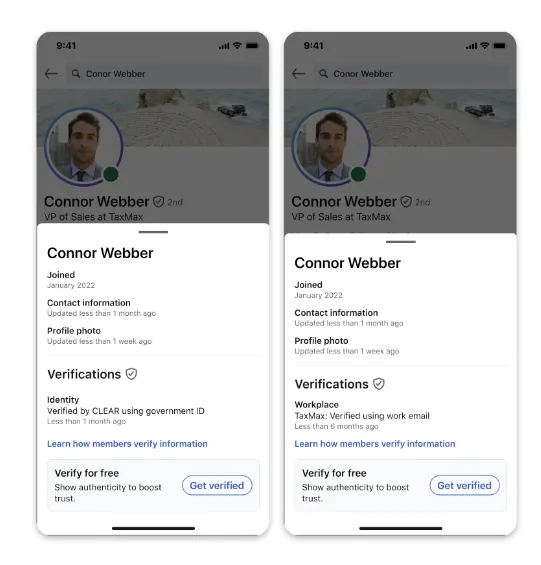
With this, all users are able to confirm that they are indeed who they say, as opposed to celebrity or paid verification checkmarks in other apps.
And that’s had an impact.
LinkedIn says that ID verified members see up to 60% more profile views, and get up to 50% more engagement on their posts.
“And for organizations, they boost engagement, with 10.9x more views and 7.7x more followers on verified Pages.”
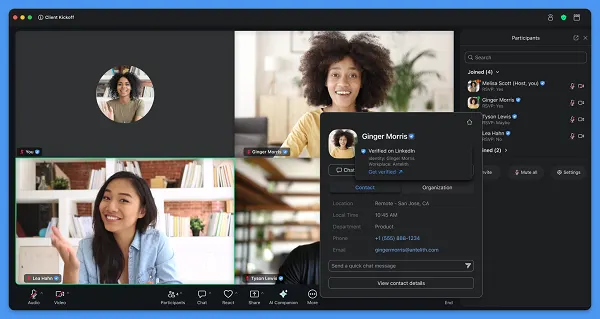
LinkedIn’s also been working to expand its ID markers to other platforms, with Zoom and Adobe now also incorporating LinkedIn’s ID signals, expanding human verification across more apps.
LinkedIn’s also been expanding the option to more regions, in partnership with local ID verification providers.
And that’s clearly had an impact, with close to 10% of all LinkedIn members now confirming their ID.
Which is great for transparency, especially on a social network that’s designed to showcase professional presence.
But then again, I also feel like LinkedIn is negating that as well to some degree, by giving everyone ways to fake their professional knowledge and expertise by using AI to compose their updates.
LinkedIn has added AI to every element that it can, including post creation, job applications, etc. That means that the comments and updates that you’re reading in the app are not always indicative of a human’s original thoughts and ideas, and may well be AI-generated commentary, which bears no reflection of the creator’s own brain.
Which is deceptive, and on a platform where people are trying to showcase their competencies and concepts, it doesn’t seem to fit.
But I guess the counterargument is that they could just generate the same in other AI apps, then post them to LinkedIn either way. But I don’t know, I don’t think that LinkedIn, in particular, should be making it so easy to fake your way to a more grandiose presence in the app.
At the same time, LinkedIn’s verification system has been a great change, providing a simple, free way for people to confirm that they are a real person, helping to underline authenticity and trust.
Others, like Elon Musk, have argued that verification systems are too easy to game, and that the only way to avoid an onslaught of bot profiles is to force users to pay, in order to confirm that they are, in fact, real, actual people. But LinkedIn’s system shows that there are ways to provide human verification without monetary elements, which, at least based on my assessment of the process, look pretty difficult to game, and definitely difficult to manipulate at scale.
Which should mean fewer bots, and more trust in LinkedIn’s listings. And eventually, with so many users verifying their information, this will become the baseline expectation, prompting even more users to confirm their identity.
It’s a valuable initiative, though again, I am concerned that readily available AI tools may also dilute trust in the app, even with these ID verification options.