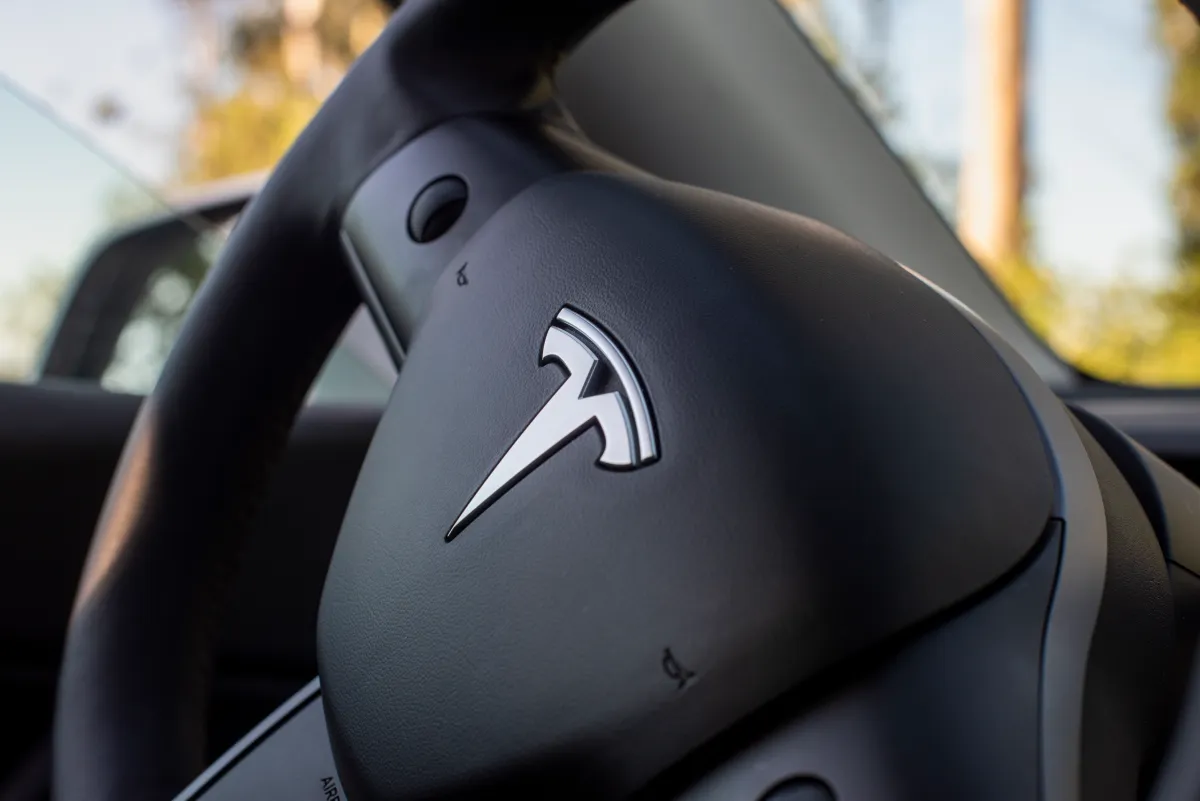
An administrative law judge has ruled that Tesla engaged in deceptive marketing that gave customers a false impression of the capabilities of its Autopilot and Full Self-Driving driver assistance software, a pivotal development in a years-long case initiated by California’s Department of Motor Vehicles.
The judge agreed with the state DMV’s request to suspend Tesla sales for 30 days as a penalty for its actions, but the DMV stayed the order and is giving Tesla 90 days to modify or remove any deceptive language before implementing the suspension, according to multiple outlets. The judge also recommended suspending Tesla’s manufacturing license for 30 days, but the DMV stayed that order, too, according to Bloomberg News.
It’s not immediately clear what threshold the CA DMV is considering for Tesla’s compliance with the decision. Should Tesla comply, the suspensions will be dropped. The DMV did not immediately respond to a request for comment. Tesla no longer has a public relations department.
Tesla has faced multiple investigations from the California Attorney General, the Department of Justice, and the Securities and Exchange Commission over similar allegations that its marketing around partial autonomy systems was misleading. The company has also faced (and now settled) a number of personal civil lawsuits over crashes involving its Autopilot technology.
The case brought by the CA DMV has been winding through the state’s Office of Administrative Hearings for years. The agency essentially accused Tesla of making customers believe that its advanced driver assistance systems were capable of high levels of autonomy. This led to overconfidence in the systems, the DMV alleged, which has contributed to dozens of crashes and multiple deaths. Tesla refuted these claims by saying its marketing was protected speech.
A shutdown of sales in California, even temporary, could have a major impact on Tesla’s business as it remains the company’s largest market in the United States. A manufacturing suspension could also hurt Tesla’s business. While the company has constructed a massive factory in Austin, Texas (and moved its official headquarters to the same location), it still relies on its Fremont, California factory to make hundreds of thousands of vehicles, including all North American-bound Model 3 sedans.
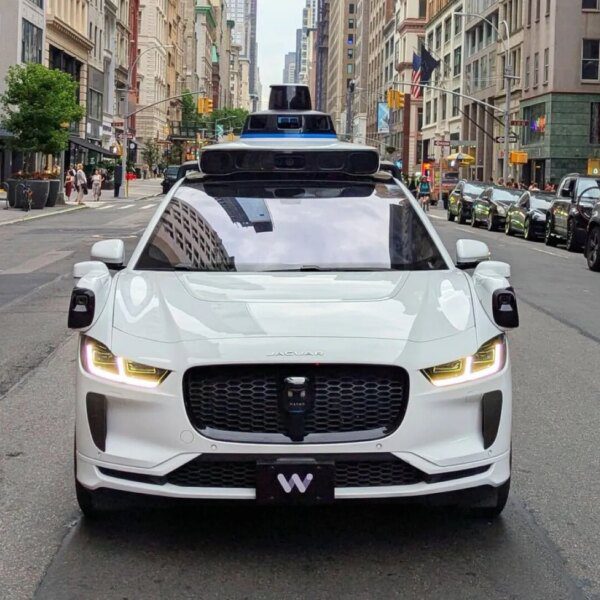
The judge’s decision comes at a moment when Tesla is advancing its Robotaxi service test in Austin. Over the weekend, the company removed the safety monitors from its small fleet in the city. It had been offering rides to customers in the city for the last six months, but with a safety monitor either in the driver’s or passenger’s seat. Those vehicles are running a different version of Tesla’s driving software than what the automaker’s customers have in their cars, CEO Elon Musk has said.
Techcrunch event
San Francisco
|
October 13-15, 2026