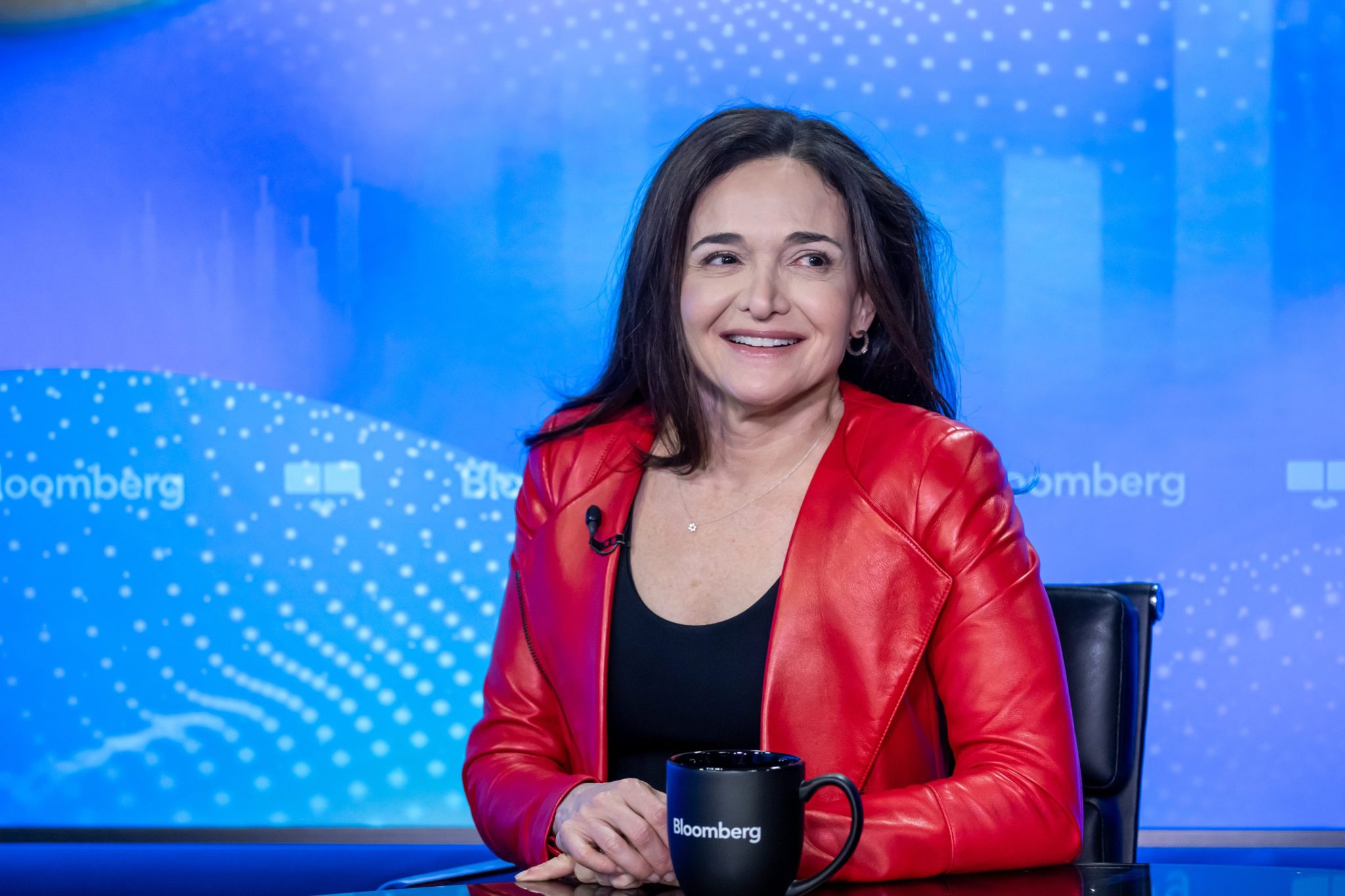
Sheryl Sandberg, formerly chief operating officer at Meta (formerly Facebook) and author of the motivational leadership book Lean In, has some thoughts on the hyper-masculine corporate culture sweeping Silicon Valley: It’s “one of the worst” she’s seen.
Sandberg, who served for more than 14 years as Meta’s COO before stepping down in 2022, told CNBC corporate America has undergone a cultural shift, explaining “rhetoric matters, who says what matters.”
“Yes, the environment is terrible, really—I think one of the worst you and I have seen in our careers—but we’ve seen this backsliding before, and that is not an excuse for companies not to do the right thing by all of their employees,” Sandberg told CNBC correspondent Julia Boorstin.
Sandberg’s comments stand out because her former boss, Facebook founder and Meta CEO Mark Zuckerberg, has been one of the leaders of Silicon Valley’s creep toward hyper-masculinity. In a January interview with podcaster Joe Rogan, Zuckerberg said while he encouraged fostering welcoming environments, he saw corporate America as “culturally neutered” and said it could use more “aggression” and masculine energy.
Meanwhile, President Donald Trump and the White House have also been on a crusade against diversity, equity, and inclusion (DEI) initiatives both in the public and private sectors. On his first day back in the White House, the president signed an executive order to eliminate all DEI initiatives in the federal government. Beyondthe White House, the Trump administration has also ordered all federal agencies to “combat illegal private-sector DEI preferences.” Federal agencies have already started looking into practices at dozens of universities and some companies such as Northwestern Mutual Life Insurance, whose DEI policies are being investigated by the Equal Employment Opportunity Commission.
As the masculine and anti-DEI rhetoric has ramped up, women’s progress in the workplace has stalled, according to the latest Women in the Workplace study administered by LeanIn.org and management consulting firm McKinsey, which surveyed 9,500 employees at 124 companies. Half of the companies surveyed are no longer making women’s career advancement a priority. Another 21%, she said, see women’s career advancement as a low priority, or not a priority at all—and these are companies that are choosing to participate in the study, she added.
All this adds up to a five-alarm fire for gender equity advocates, said Sandberg.
Succeeding at work and uplifting a team means leaders need to be hardcore, she said, but the way to foster that hardcore mentality is through empathetic and kind leadership that brings out the best in workers.
“These things are not at odds and they’re also not particularly masculine or particularly feminine,” Sandberg said. “The best leaders, whether they’re male or female, have both.”