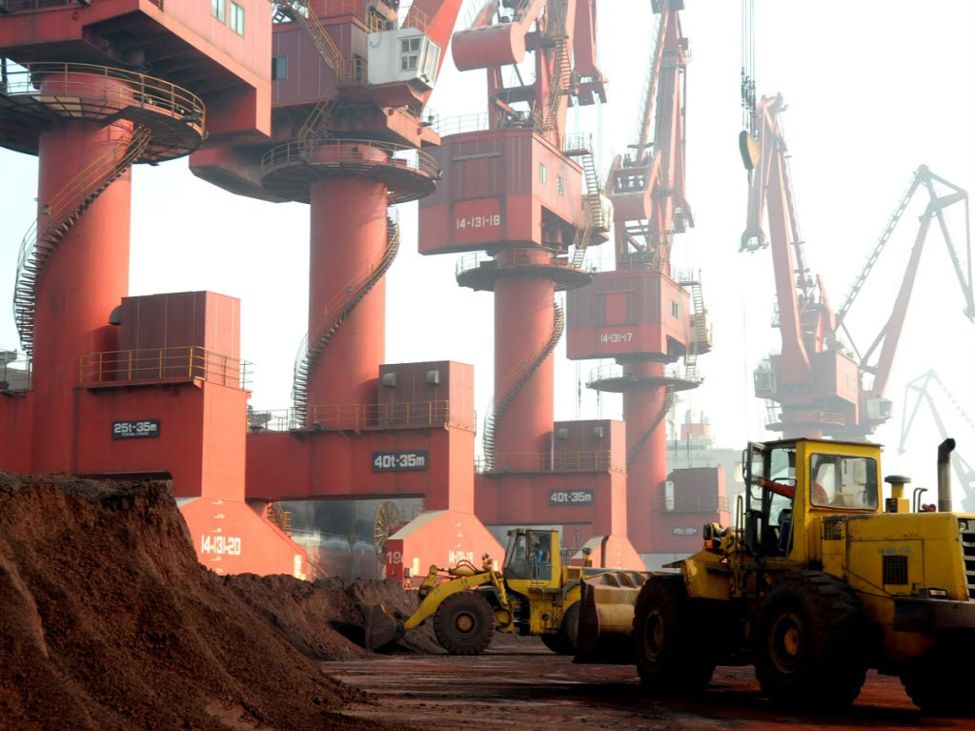
As a reminder, this isn’t the first time that Japan has explored the potential to get rare earth minerals supply outside of China. In fact, the whole Lynas plant setup in Malaysia was also a direct result of political altercation between Japan and China over a decade ago. So, here we are again. Well, sort of.
Japan’s government is now said to be exploring test mining of rare-earth-rich mud from the deep seabed off Minamitori Island. The test will be conducted from 11 January to 14 February and will mark the world’s first attempt to continuously lift rare-earth mud from a depth of around 6,000 meters on to a vessel.
According to the program director, the aim is to lift 350 metric tons of rare-earth mud per day. All the while, they will be monitoring the potential environmental impact both onboard and on the seabed throughout the operation.
As things stand, there is no production target that has been set. But if the project is a success, full-scale mining trial could begin in February 2027.
As a reminder, Japan’s efforts here are part and parcel to keep diversifying on rare earth minerals supply. And the big issue is not so much seeking the supply but rather the processing capabilities. And this is where the corridor with Australia that enabled the building of the Lynas plant in Malaysia – the largest rare earth processing facility outside of China – might come in.
Yes, that’s the one that also saw China kick up a fuss when Trump came to visit.
But this time, China could be more directly involved in the matter. During the period earlier this year when Japan was conducting rare earth surveys within its exclusive economic zone (EEZ) around Minamitori Island, a Chinese naval fleet was reported to have entered the waters. A warning sign perhaps?
And even if not that, one can guarantee that Beijing won’t be happy with the whole ordeal – especially to any country that looks to reduce their ace card of using rare earth minerals supply as part of geopolitical leverage.