We will get a new estimate of Q3 U.S. GDP growth today. The consensus among analysts is for a rise of 3.2% year-on-year. That’s pretty decent growth. No wonder then, that the S&P 500 ticked up another 0.88% yesterday, to come within half a percentage point of its all-time high, and futures this morning are marginally up too. Traders seem to be pretty happy about where the U.S. economy is going.
But some analysts are starting to worry about how much of that growth is concentrated in AI.
A recent note from Pantheon Macroeconomics said that private fixed investment—a measure of how much companies are spending—”is rising only due to AI-related spending.” Analyst Oliver Allen published a chart this morning showing that all other private fixed investment is actually in decline:
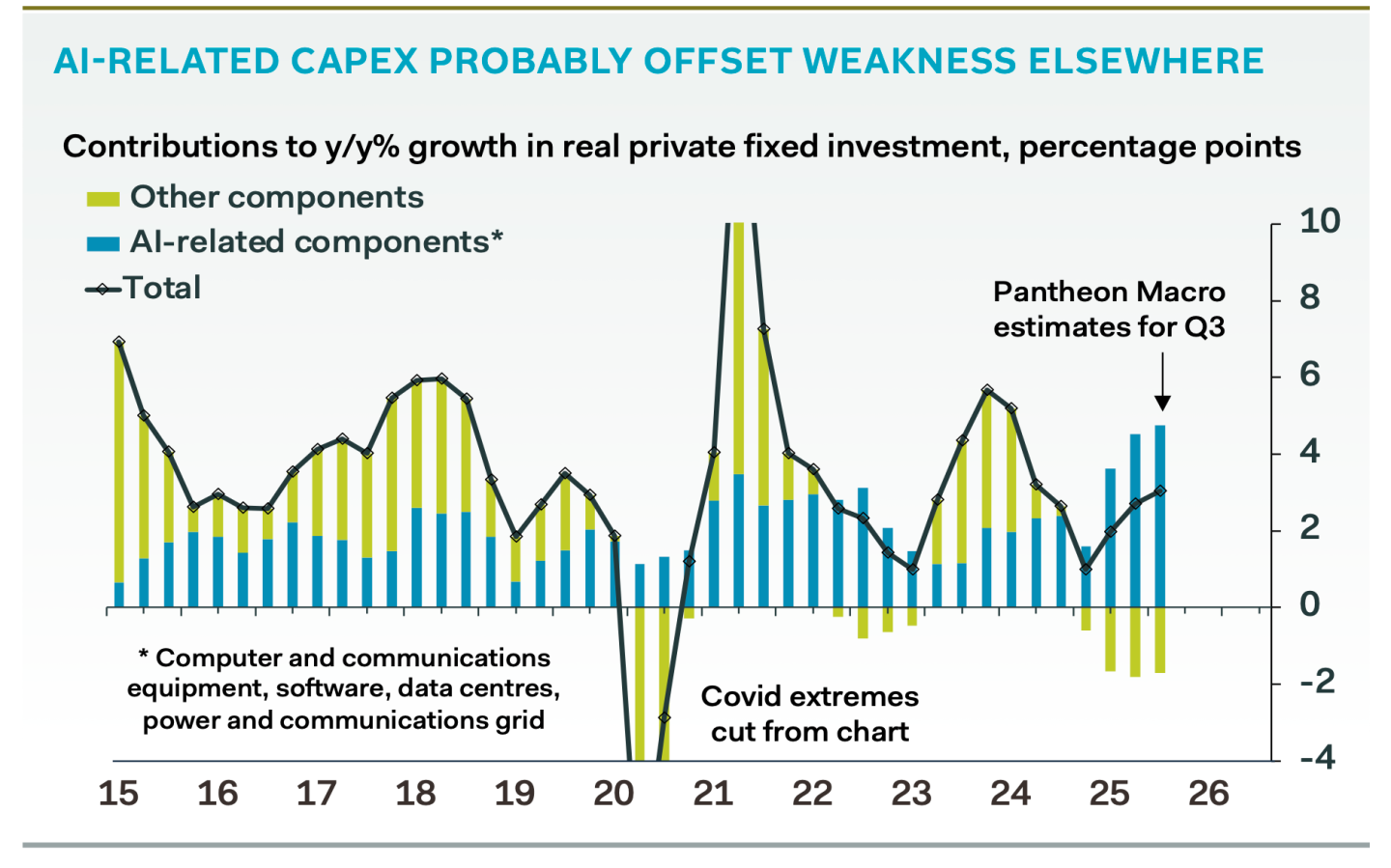
“Capex intentions remain depressed, suggesting investment outside of AI-linked sectors remains weak,” he told clients in a note seen by Fortune.
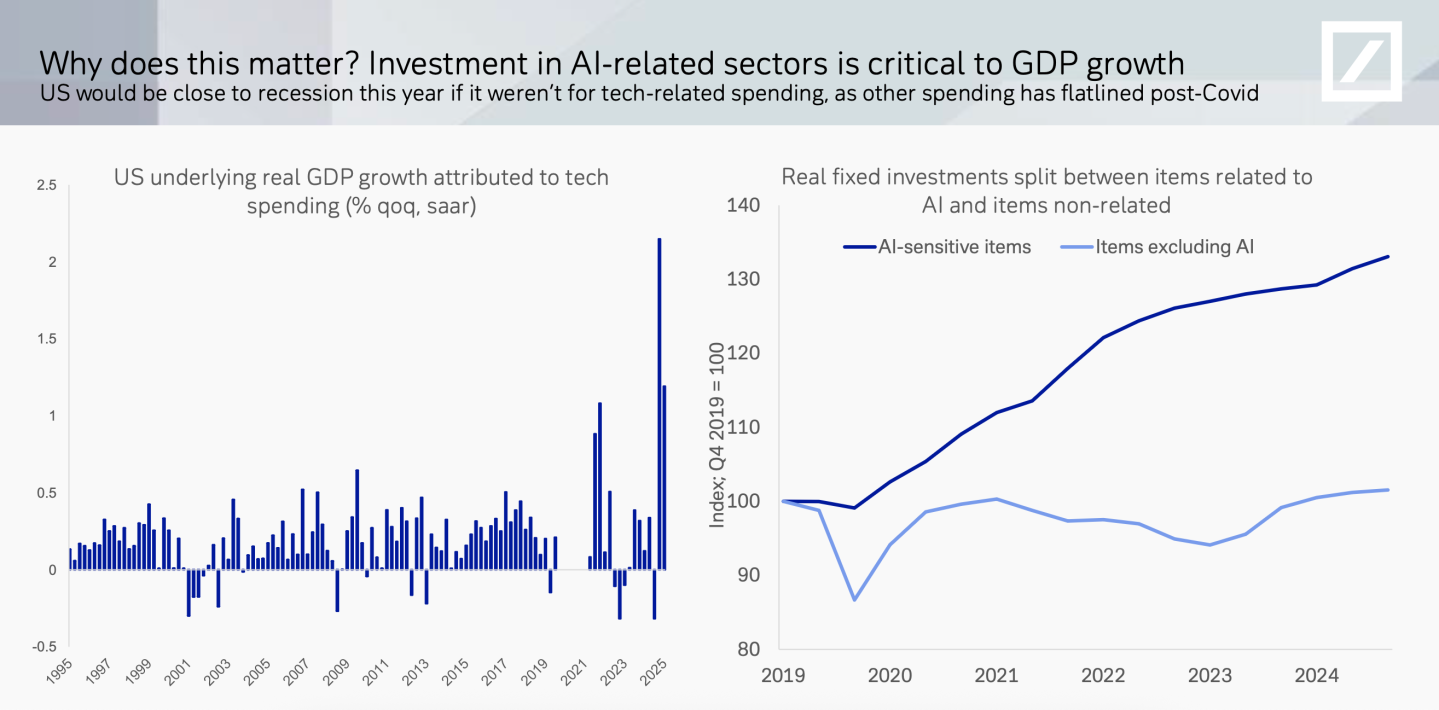
Deutsche Bank said much the same thing in a recent note discussing whether AI was a bubble. “Investment in AI-related sectors is critical to GDP growth [and the] U.S. would be close to recession this year if it weren’t for tech-related spending, as other spending has flatlined post-Covid,” analysts Adrian Cox and Stefan Abrudan wrote.
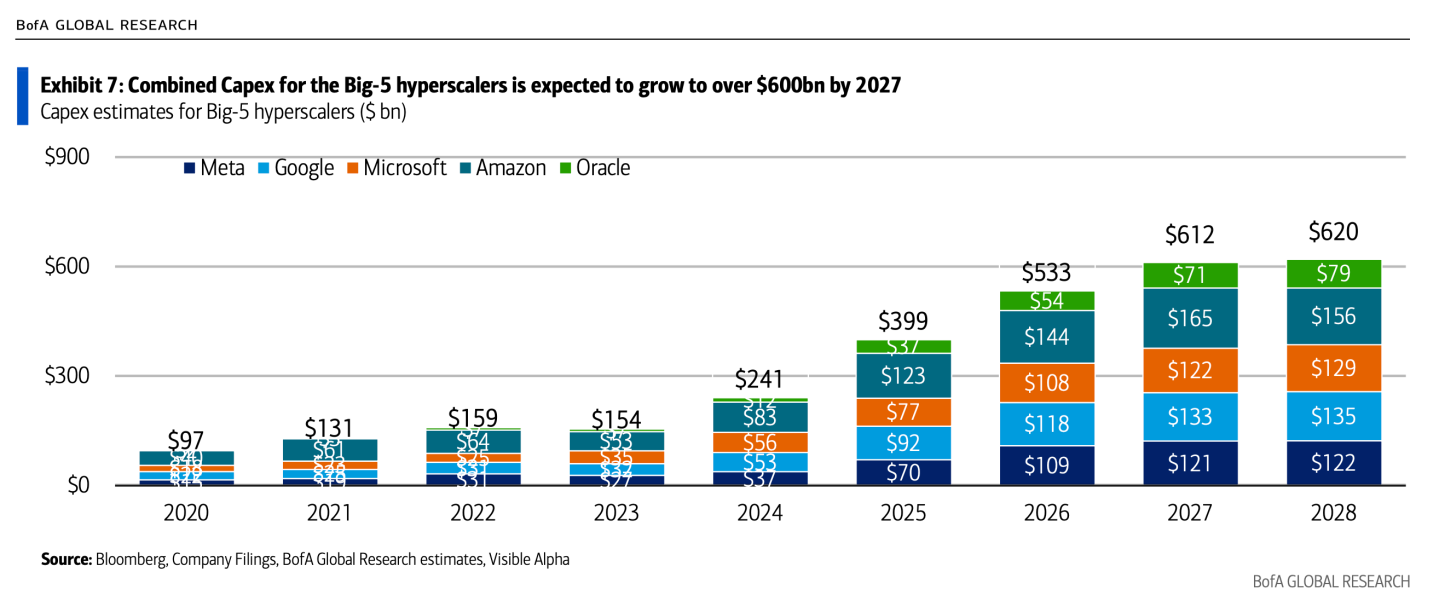
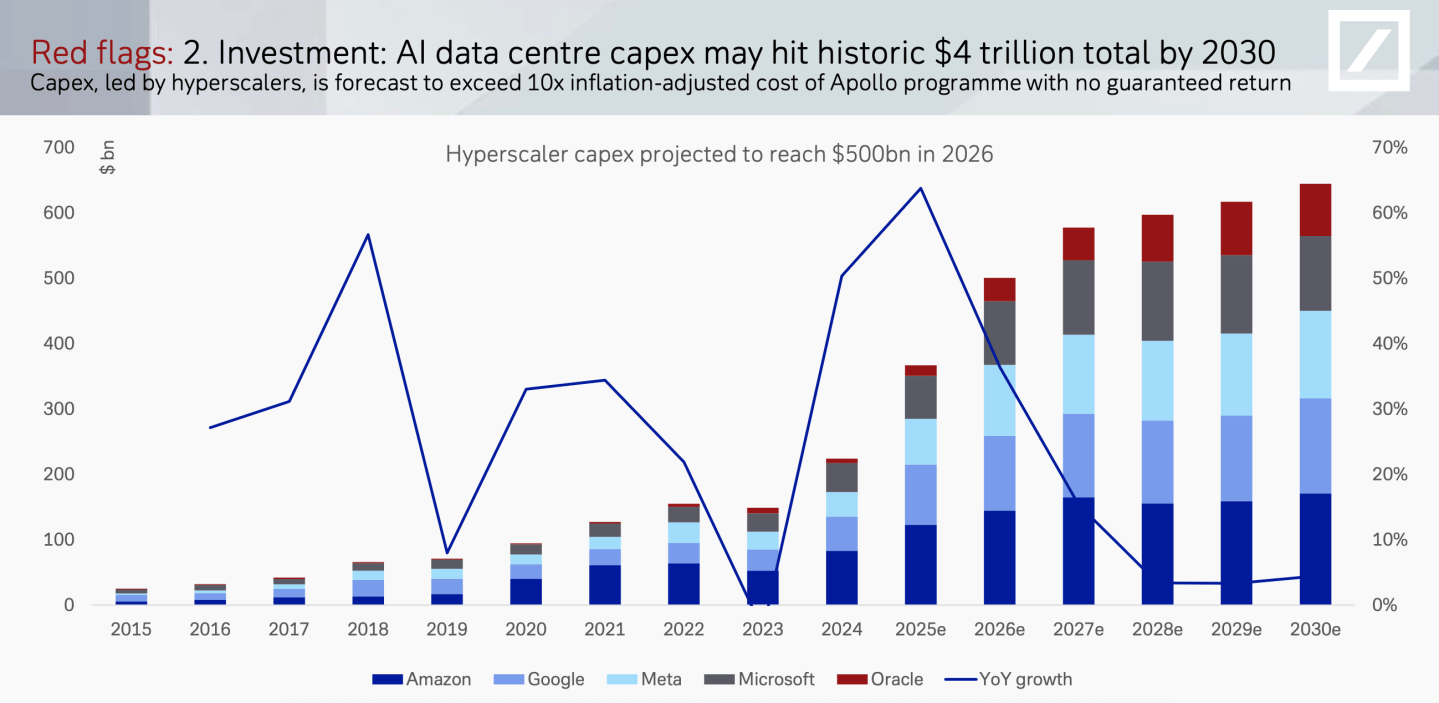
The scale of capital expenditure (capex) investment going into AI is gargantuan. Bank of America’s Justin Post and Nitin Bansal estimate that AI capex from just five “hyperscalers” (Alphabet, Meta, Microsoft, Amazon, and Oracle) will total $399 billion this year and rise to over $600 billion in the years to come.
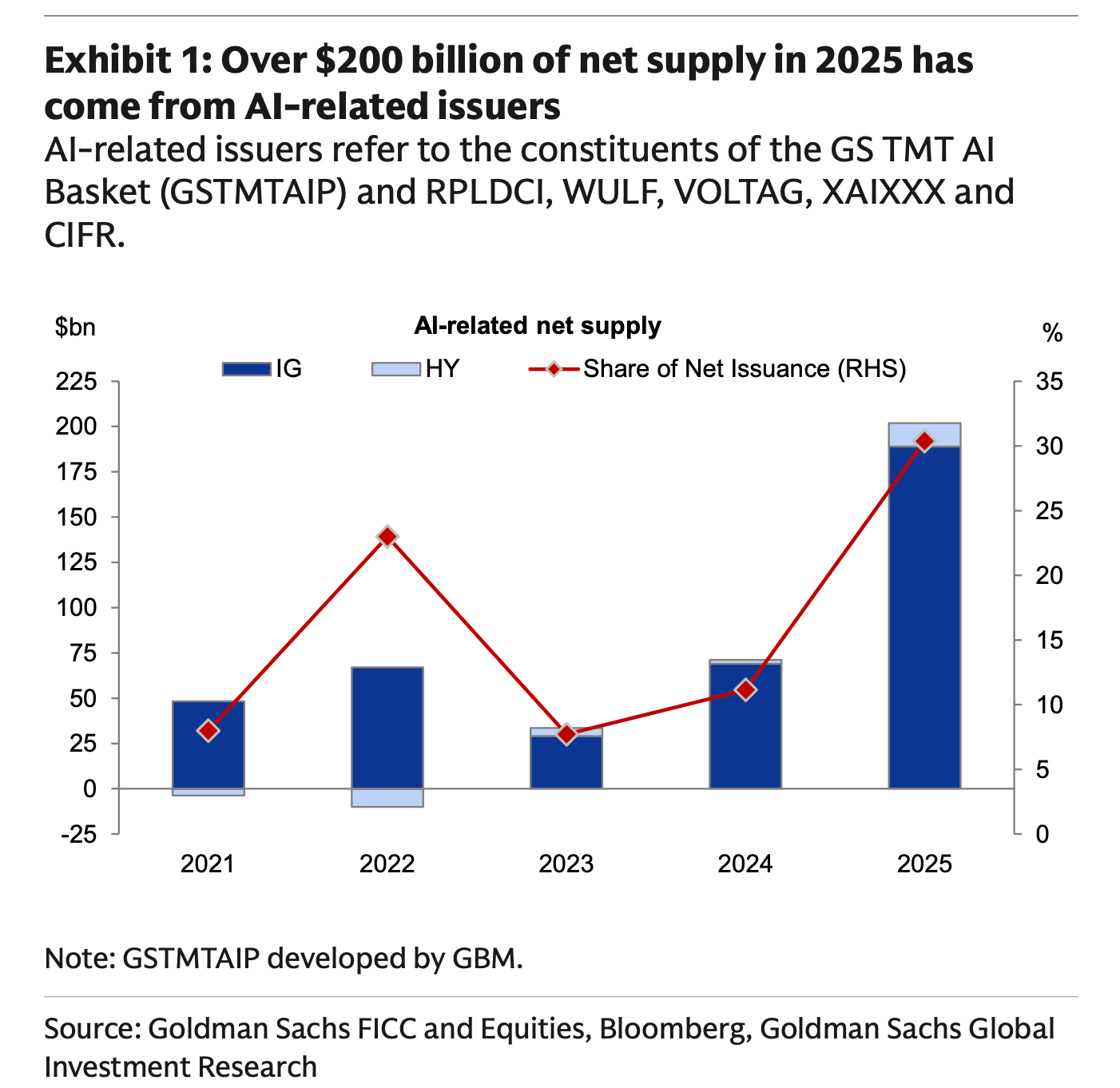
Increasingly, that AI capex will likely be funded by debt. The big tech companies have such healthy cashflow and robust balance sheets that it’s easy for most of them to add debt without harming their bottom lines, BofA says.
That debt is already breaking records. “Net supply [of new debt] from AI-related issuers in the USD credit market has crossed $200 billion in 2025, more than doubling last year’s total,” Spencer Rogers and his colleagues at Goldman Sachs told clients recently. “30% of USD credit net supply this year is AI-related.” He expects that number to go higher next year.
BofA says the companies are chasing $1 trillion in incremental revenues over the next five years. About $500 billion of that from cloud services; $400 billion in extra digital advertising spending; and $200 billion from AI subscriptions from both consumers and businesses.
“Historically (2021-24), each dollar of capex helped generate an average of $0.90 incremental revenue and $0.42 of incremental EBITDA in the following year,” they wrote.
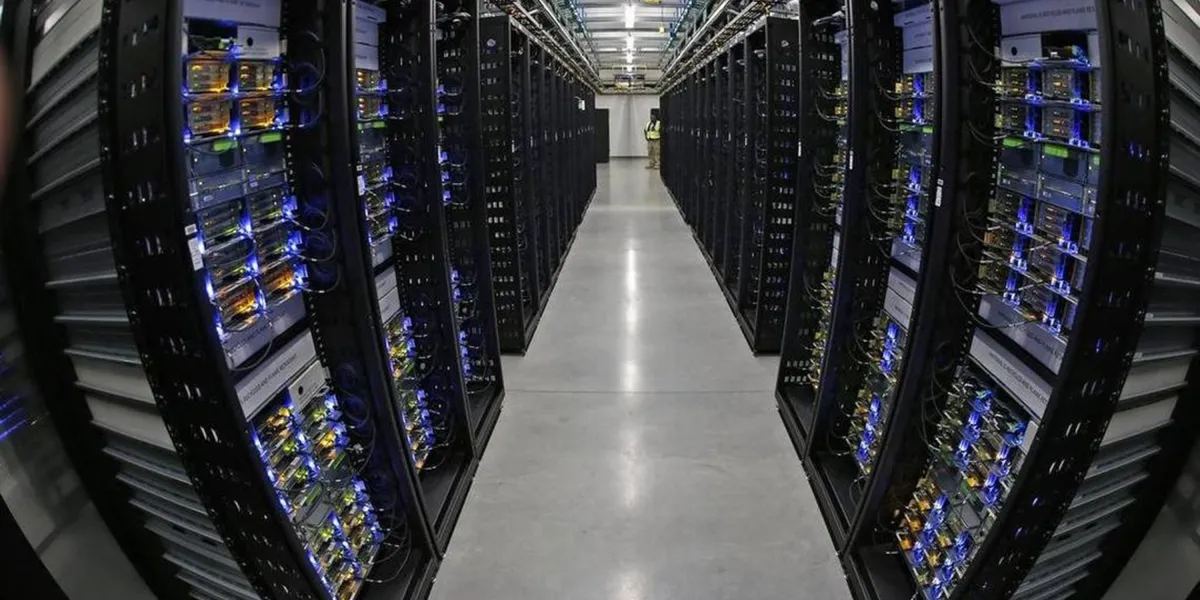
Let’s hope they are right. Because according to Deutsche Bank, hyperscalers will spend a cumulative $4 trillion on AI data centers through 2030—more than the U.S. government’s moon-landing program in the 1960s: “10x [the] inflation-adjusted cost of Apollo programme with no guaranteed return.”
Here’s a snapshot of the markets ahead of the opening bell in New York this morning:
- S&P 500 futures are up marginally this morning. The last session closed up 0.64%.
- STOXX Europe 600 was up 0.18% in early trading.
- The U.K.’s FTSE 100 was flat in early trading.
- Japan’s Nikkei 225 was flat.
- China’s CSI 300 was up 0.2%.
- The South Korea KOSPI was up 0.28%.
- India’s NIFTY 50 was flat.
- Bitcoin sunk to $87K.