Crude oil futures pointed to continued gains on Sunday as markets weighed potentially transformative events in Iran, which has been wracked by protests across the country.
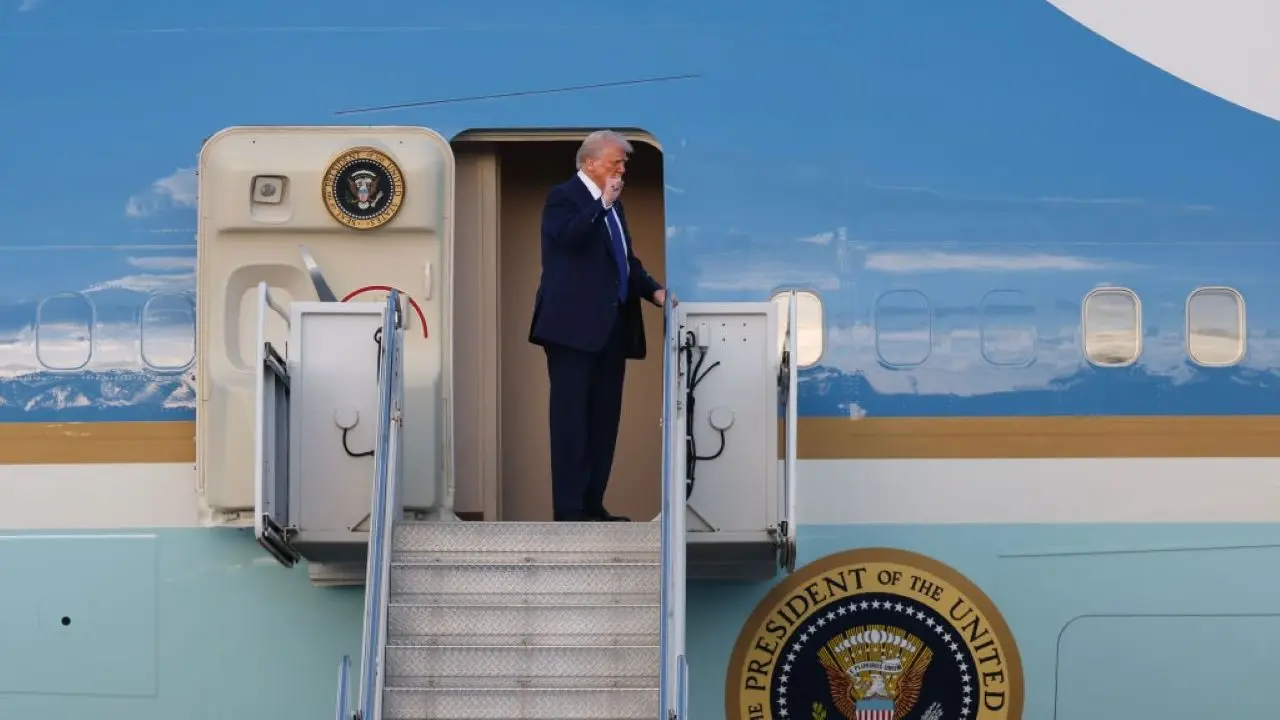
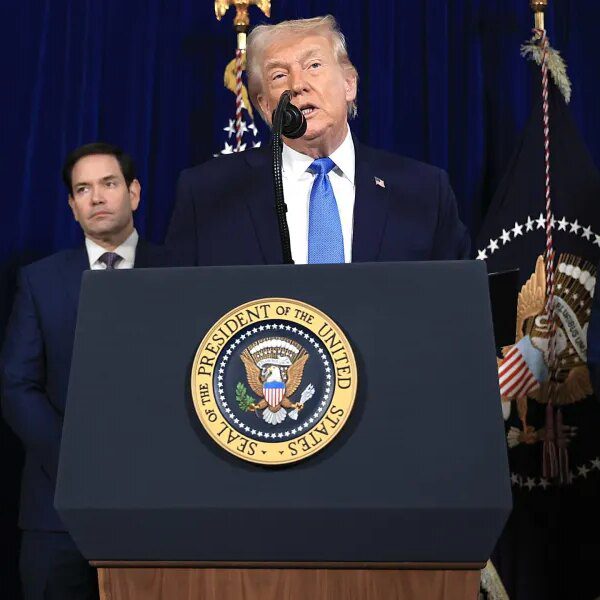
U.S. oil prices rose 0.56% to $59.45 a barrel, and Brent crude climbed 0.52% to $63.67 a barrel, as reports said President Donald Trump is weighing military options in Iran to follow through on his threats to attack if the government kills protestors.
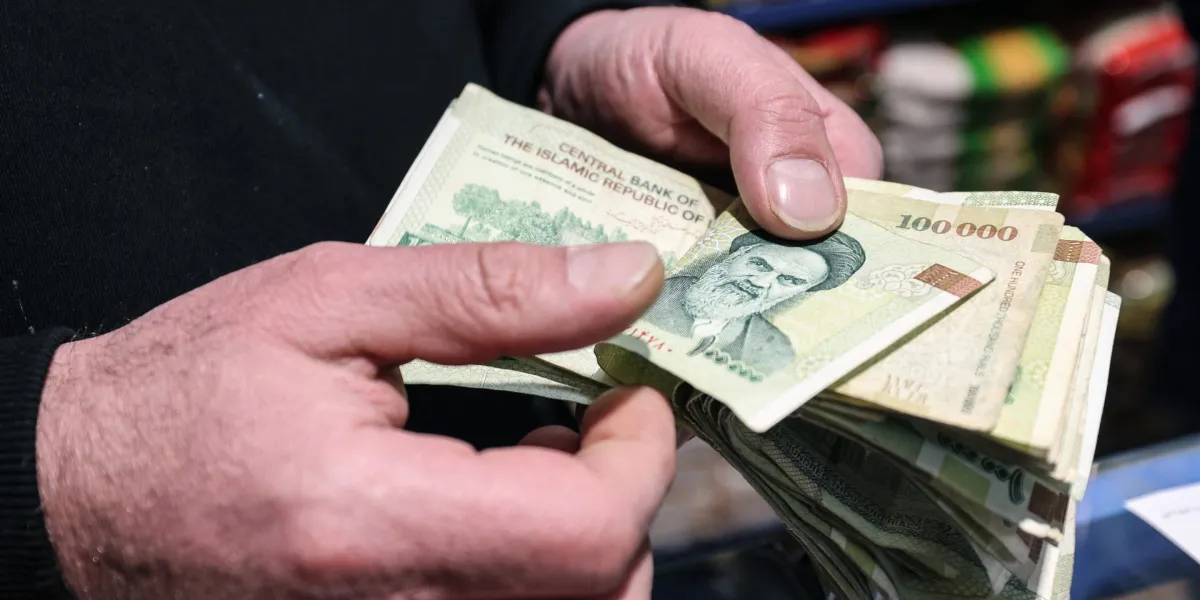
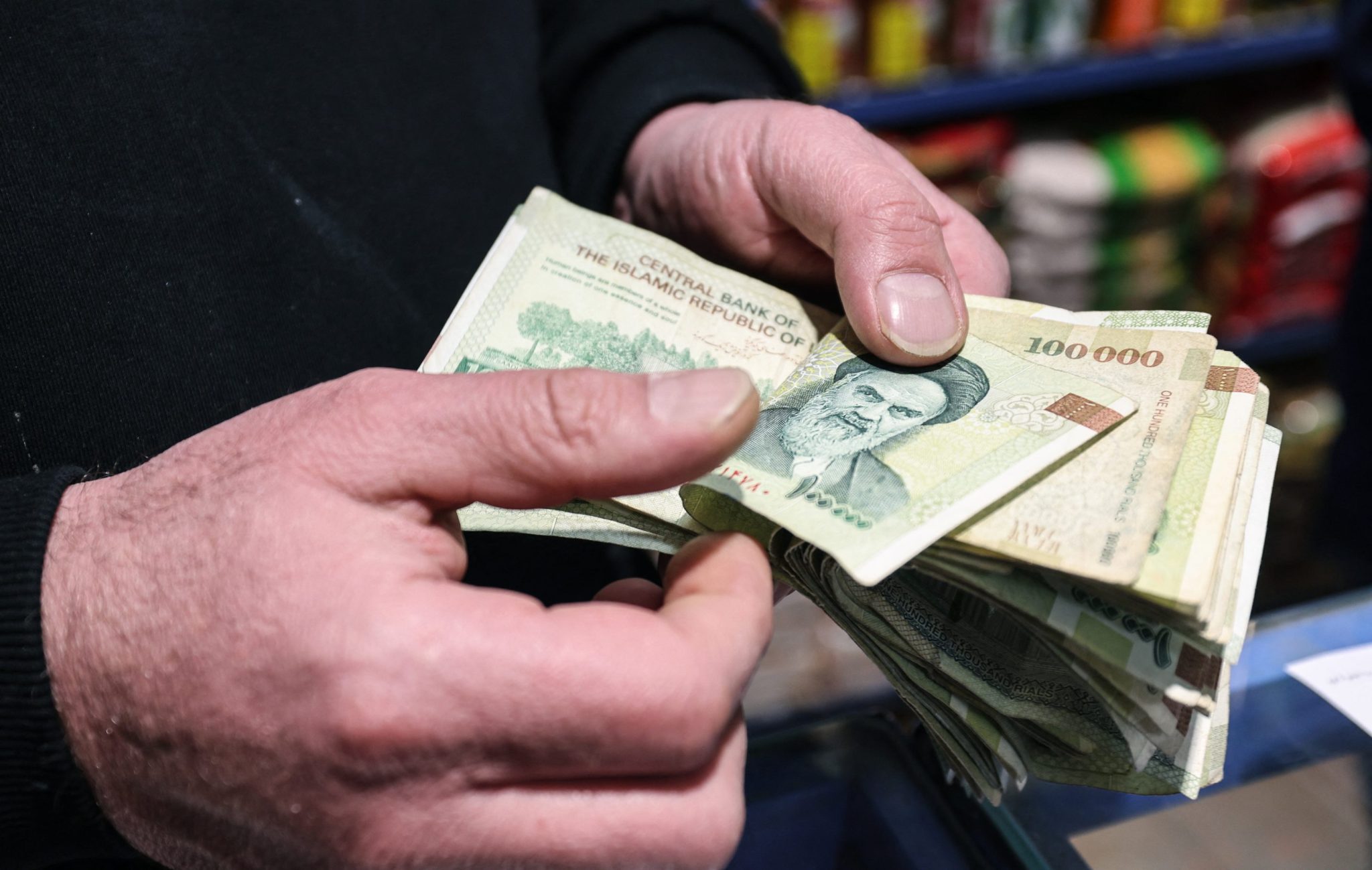
Iran, which pumps 3 million-4 million barrels per day, has seen protests spread nationwide amid an economic crisis. Human rights groups estimate hundreds have died from the government’s crackdown, as the regime’s piecemeal attempts to appease Iranians have failed.
The government cut off internet access in the country last week, slowing the flow of information on the latest developments. But various reports and expert assessments indicate the unrest is posing a major threat to Tehran’s authority.
In particular, the security apparatus that keeps the leadership in power is showing cracks, according to the Institute for the Study of War (ISW).
“There are further indications that the ongoing protests are challenging the ability and willingness of Iranian security forces to crack down on the protests,” the think tank said in a recent report. “The IRGC Intelligence Organization released a statement on January 10 that it is ‘dealing with possible acts of abandonment.’ This statement suggests that some Iranian security forces may have already defected or that the regime is very concerned about this possibility.”
It cited additional reporting that pointed to some officers anticipating the regime’s collapse, forces in one city refusing to fire on protesters, and the possibility the government will deploy the regular army.
These rank-and-file troops, known as the Artesh, are less ideological and more representative of the Iranian population than the Islamic Revolutionary Guard Corps, ISW said. That raises the risk Artesh troops, who aren’t trained to handle civil unrest, could defect and indicates internal security forces are stretched thin, it added.
A separate analysis from ISW noted that the government is treating the protests as a military issue instead of a law enforcement one. It also said Tehran “has taken the rare step of using the IRGC Ground Forces to suppress protests because it has likely determined that these protests represent a dire security threat to the regime.”
Energy markets are digesting the implications of political upheaval in Iran, a top OPEC member with the world’s third largest proven oil reserves. In fact, anti-government protests have already spread to Iran’s oil sector with workers at a large refining and petrochemical complex going on strike.
Market tracker Kpler said in post on X on Saturday that Iran’s regime faces a tipping point and is under unprecedented strain.
“Though a full collapse remains a low-probability event, the rising risk is already lifting the geopolitical premium in oil markets. Any disruption—through factional conflict, export curbs or external intervention—could prompt near-term price spikes, despite global surpluses,” it added.
“Over the medium term, regime change could unlock sanctions relief and reshape trade flows, with European, Indian and Japanese refiners poised to benefit, while Chinese independents and Middle Eastern producers face stiffer competition.”