Summary:
-
BOK holds base rate at 2.5%, in line with forecasts
-
Exports seen staying favourable; semiconductors a key growth tailwind
-
Bank flags upside risks to 2026 growth outlook
-
Dovish “room for rate cuts” language removed from statement
-
Warns on Seoul housing risks and heightened FX volatility; notes won weakness drivers
The Bank of Korea kept its base rate unchanged at 2.5%, matching market expectations, while signalling a slightly firmer stance in its policy communication. Alongside the hold, the central bank highlighted that exports should remain favourable and said the policy board will continue to make decisions while supporting a recovery in economic growth.
Notably, the Bank of Korea flagged upside risks to this year’s growth forecast, pointing to a strong semiconductor sector as a key tailwind for activity. The emphasis on semiconductors underscores the central role of Korea’s tech cycle in shaping the macro outlook, particularly as global demand for advanced computing and memory products remains a key swing factor for exports and corporate investment.
The statement also showed a meaningful shift in tone: the BOK dropped language that had explicitly referenced leaving room for rate cuts, and also removed phrasing about deciding “whether and when” to implement further base-rate cuts. While the bank did not turn overtly hawkish, the removal of easing bias language suggests policymakers are less confident they will need to cut again soon, and are prioritising flexibility as growth prospects improve.
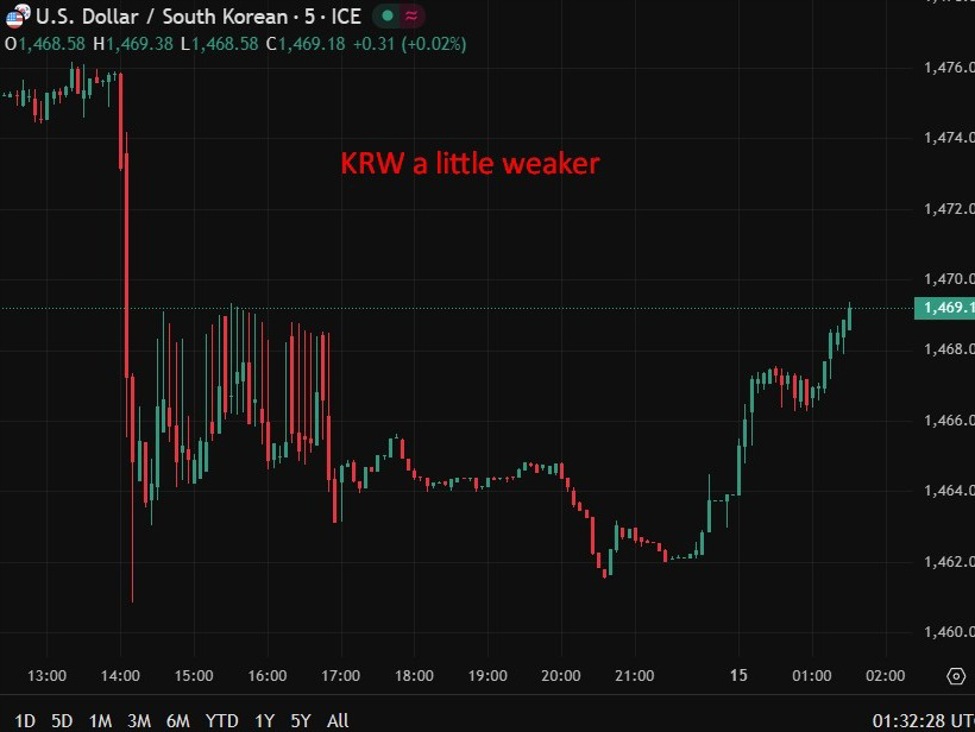
Financial stability and currency risks remained central to the message. The BOK said it would closely monitor changes in domestic and external policy conditions, and stressed the need to remain cautious about housing-price risks and FX volatility. It specifically noted the won had weakened recently due to yen weakness, heightened geopolitical risks, and continued overseas investment by residents, while warning that risks tied to exchange-rate volatility remain elevated.
On inflation, the bank said price pressures are expected to gradually decline toward 2%, reinforcing a view that disinflation is progressing but not yet finished. The overall mix, steady rates, a slightly firmer growth outlook, and a toned-down easing signal, reads as a “hold and watch” stance: supportive of recovery, alert to market volatility, and wary of reigniting housing risks, especially in Seoul and surrounding areas.