We’ve all been there: midway through a video call, the audio freezes. Faces stop moving. A moment later, the dreaded message appears: Your connection is unstable.
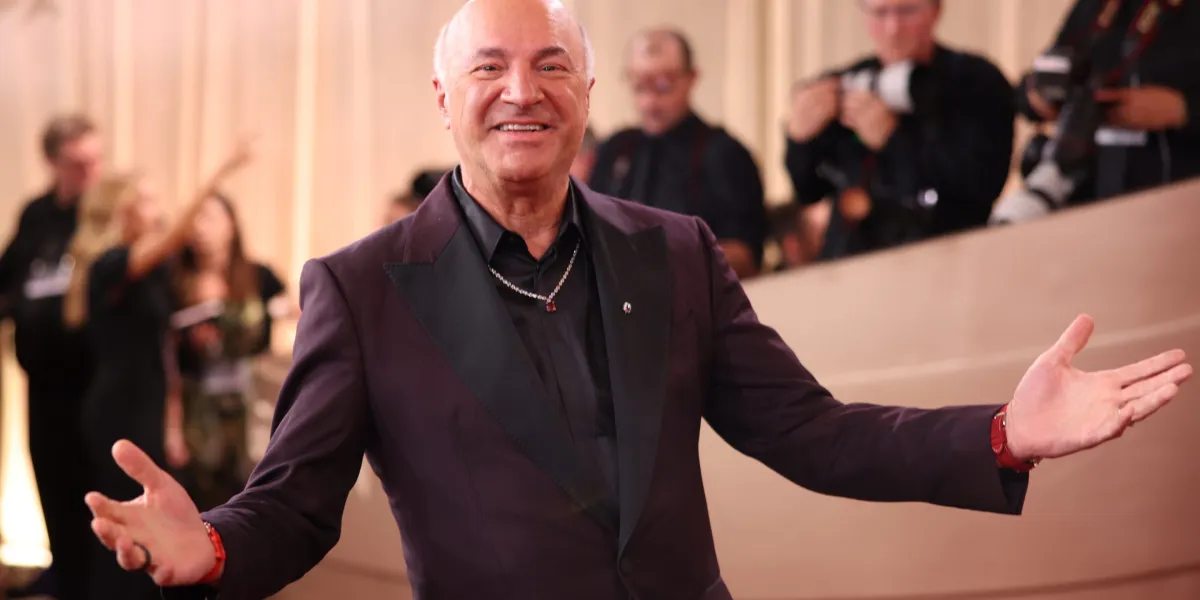
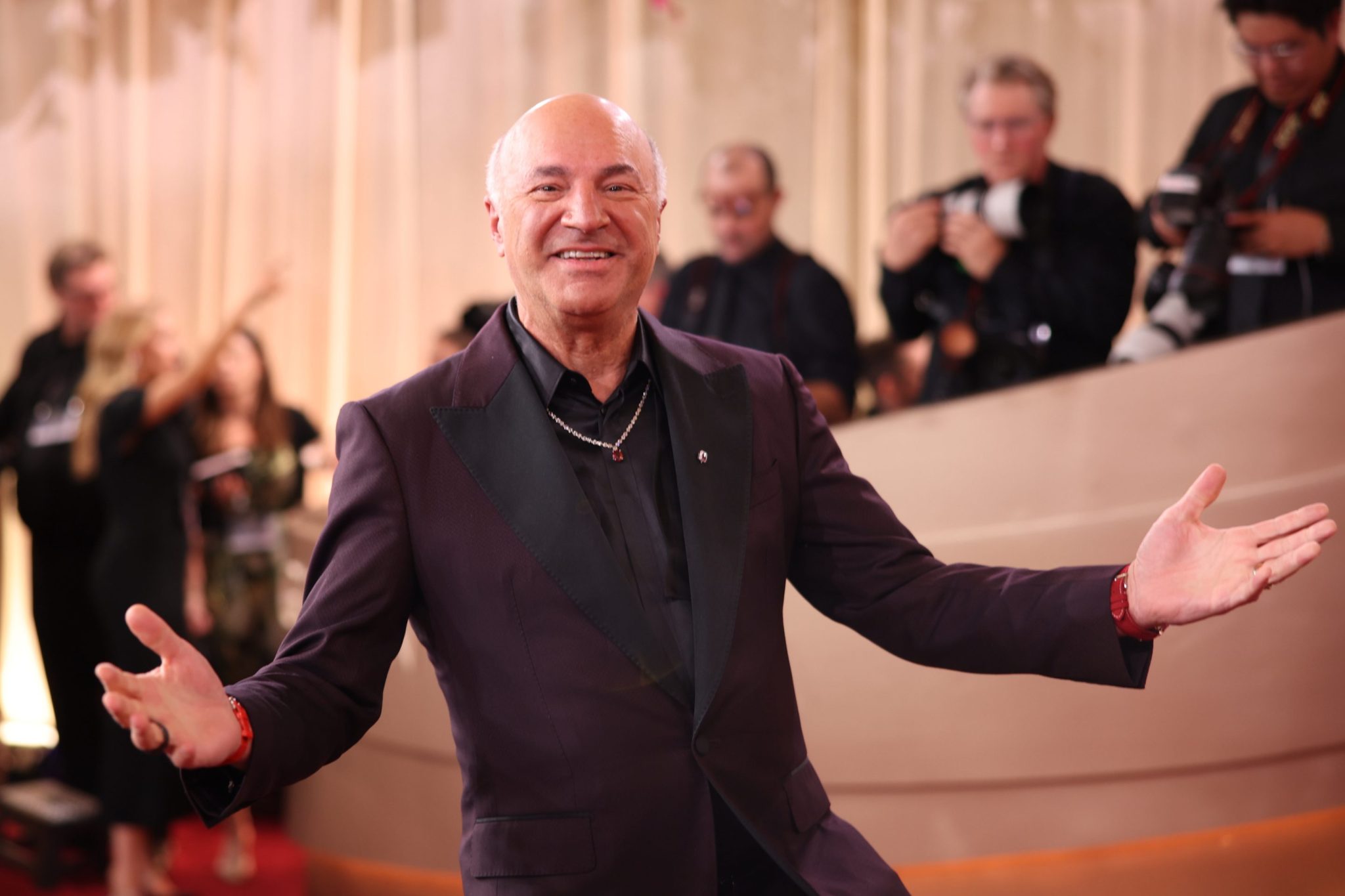
For years, those glitches have been shrugged off as an unavoidable reality of remote work. But according to Shark Tank star Kevin O’Leary, that grace period is officially over.
More than five years after the pandemic pushed millions of workers onto Zoom calls, “Mr. Wonderful” now said spotty internet is no longer an inconvenience—it’s a red flag, especially for someone looking for a job.
“In a hybrid world, your internet connection tells me everything,” O’Leary said on Instagram.
“If your audio cuts out, your video freezes, or you don’t care enough to fix it…you’re telling me you’re not serious about business,” the 71-year-old added. “That résumé goes straight in the garbage.”
The message may sound harsh—especially from a business leader who shows up to meetings in pink pajama pants and flip-flops. But for O’Leary, the issue is more than just professionalism for its own sake—it’s about efficiency.
After all, what he values the most is time. And time, in his view, is money.
Workers need to ditch job-hopping—or face not landing another role again
A strong internet connection isn’t the only bar O’Leary sets for prospective hires. Before a candidate ever reaches the interview stage, he wants proof of something else: execution—and loyalty.
“What I can’t stand is seeing a résumé where every six months they job hop. To me that means they couldn’t execute anything, and I take that résumé into the garbage,” O’Leary said in a video posted to his social media last year. “If I see anything that’s less than two [years], that’s a red flag for me.
Rather than constantly chasing the next opportunity, O’Leary encouraged young workers to embed themselves in a role, deliver results, and prove their value over time.
“Show me you had a mandate and delivered on it over two years or more, that’s gold,” he added. “Discipline, focus, and results matter; that’s how I decide who gets hired.”
It’s not just the résumé—what you say in the interview can be a make-or-break
O’Leary isn’t alone in setting firm—and sometimes unforgiving—expectations for job candidates. For many top executives, the interview itself offers a clearer signal than anything written on a résumé.
For Twilio’s CEO Khozema Shipchandler, it often comes down to what happens at the very end of the conversation.
“The number one red flag for me is when someone doesn’t ask questions toward the end of an interview,” Shipchandler previously told Fortune. “That’s a pretty significant mark against them being curious about what they’re interviewing, the company, the way we might work together, chemistry, culture, all of those things.”
Denny’s CEO Kelli Valade has echoed a similar view, saying that the specific question matters less than the act of asking one at all. To her, it signals preparation, genuine interest, and that a candidate has done their homework.
General Motors CEO Mary Barra, who previously headed the automaker’s human resources department, looks for something more subtle: language.
The 64-year-old said she pays attention to how often people talk about GM using the pronoun “we” instead of “you” or “they”—an indication as to whether someone already sees themselves as part of the organization.
“Jump in the boat, own the problem, and be part of it,” she said at the Wharton People Analytics Conference in 2018. “You can almost tell in an interview when they interview like they’re already at the company—but in a respectful way where they’re not over assuming anything.”