Early this morning, ECB’s Kocher said that if the euro were to appreciate further and further, at some stage that might create a certain necessity to react in terms of monetary policy. Not because of the exchange rate itself, but because the exchange rate translates into less inflation, and this becomes a monetary policy issue.
Last year, ECB’s Vice President de Guindos said that 1.20 on the EUR/USD exchange rate is something they can tolerate, but anything above that would complicate the outlook for them.
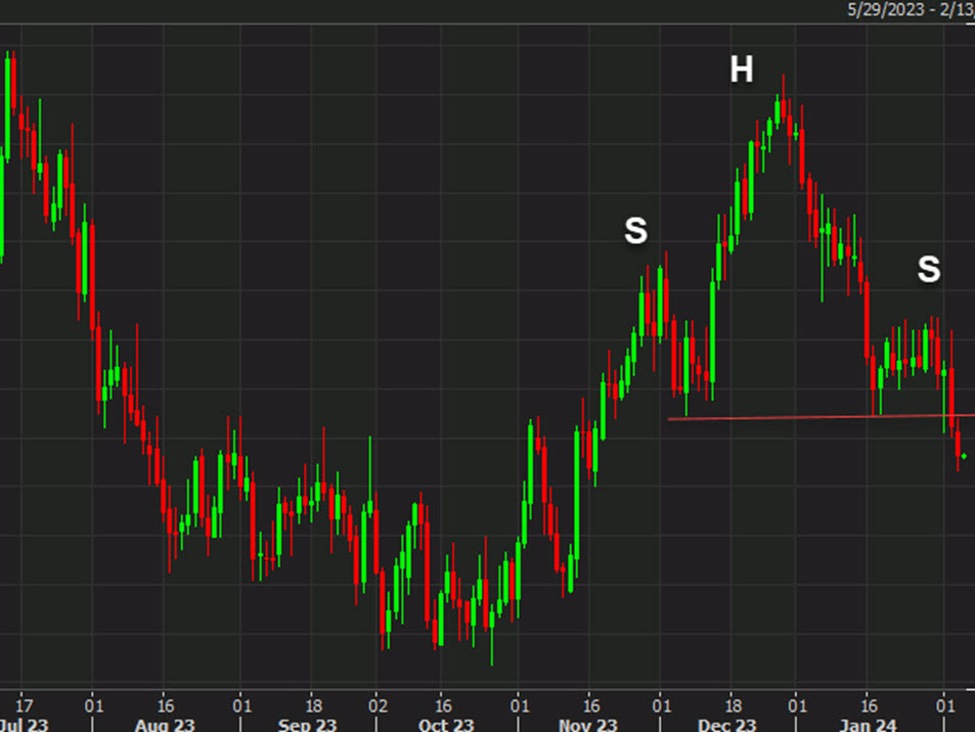
EURUSD – daily
ECB’s Villeroy has also commented on the euro this morning saying that the ECB is closely monitoring the currency and its effect on inflation. He added that they have no target for the exchange rate but the euro is one element that will guide their policy.
It looks like they are trying to jawbone a bit here. Policymakers don’t like fast, one-sided moves and we just went from 1.1576 to 1.2082 in less than two weeks. Of course, that was all about the dollar as USD/JPY intervention risks and Trump’s actions weighed on the greenback.
I personally think this move is overdone absent new catalysts because it was more about the intervention risk than something fundamental. If we get strong US data next month, the market should pare back the 48 bps of easing priced in by year-end and provide support for the dollar. On the other hand, if we get soft data, the greenback will likely remain under pressure as dovish bets would keep weighing on it.
If the euro strengthens too much and we get soft Eurozone inflation data in the next months, then we can expect traders to price in another rate cut from the ECB. On the other hand, a weak dollar with stocks at all-time highs and loose financial conditions, could lead to a re-acceleration in US inflation and eventually to a policy divergence between the Fed and the ECB.