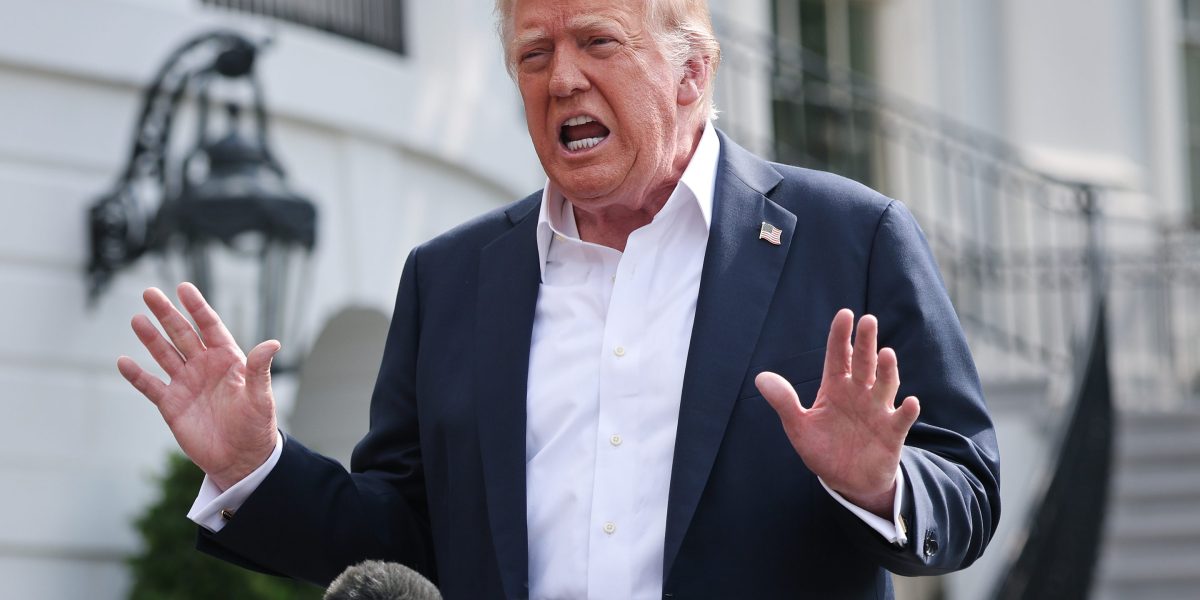
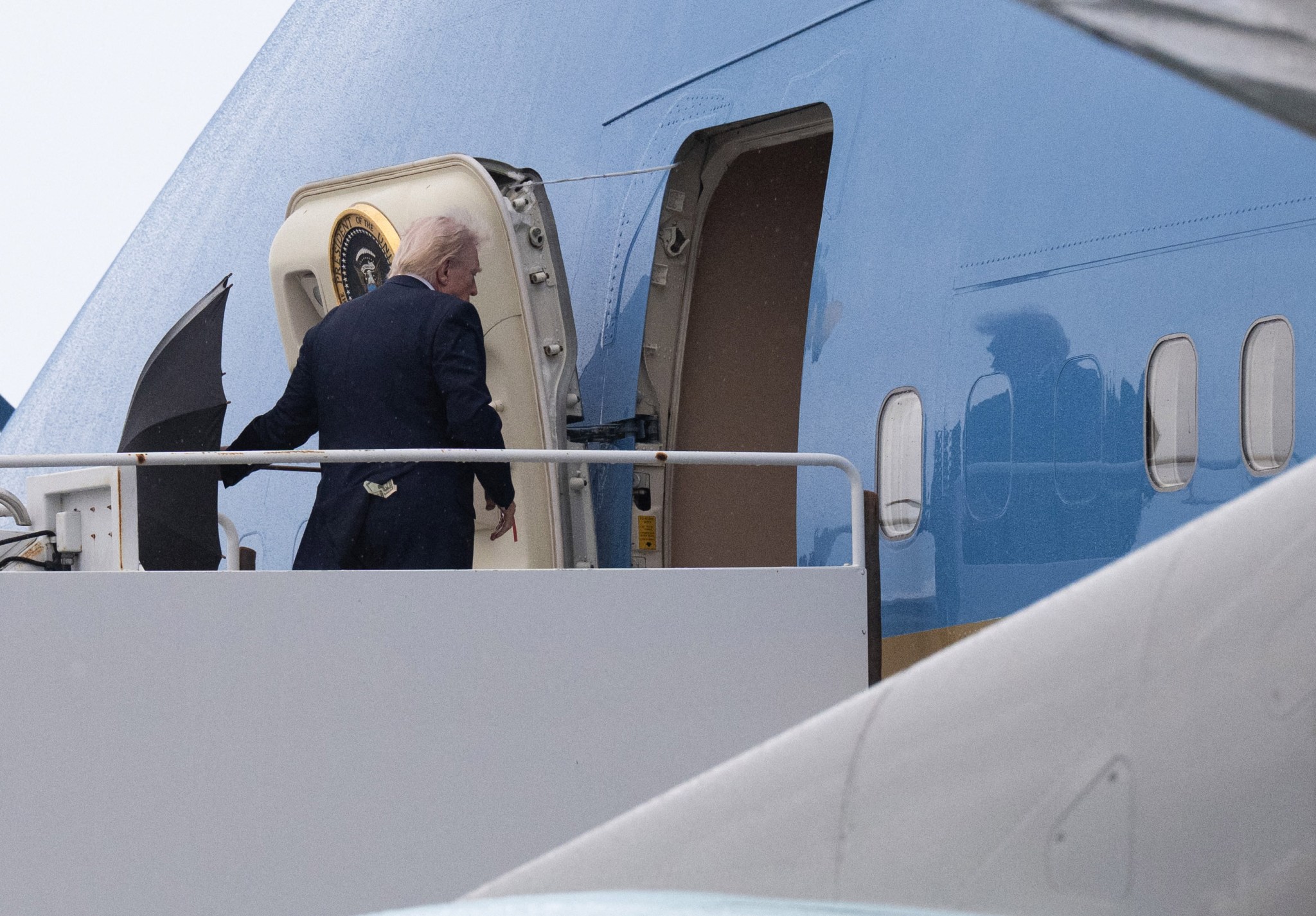
As the US-Israeli war on Iran enters its third week, pressure is growing on the person in the best position to end it: Donald Trump.
But the US president’s ever-shifting explanations for why he went to war leave friends and adversaries at a loss to forecast when he’ll be ready to stop. And even if he does, Iran has shown little willingness to go along. Trump has gone from declaring the war over soon to calling on European and Gulf allies to help. They’re reluctant, and the likes of Russia are benefiting.
The state of play was exemplified by a recent call with Group of Seven leaders where Trump was repeatedly pressed by European counterparts about his endgame, according to people familiar with the exchange. He said he couldn’t discuss the war’s objectives on the call, but told the leaders he had several in mind and wanted the conflict to end soon.
The past 48 hours have only deepened the confusion among once-stalwart allies.
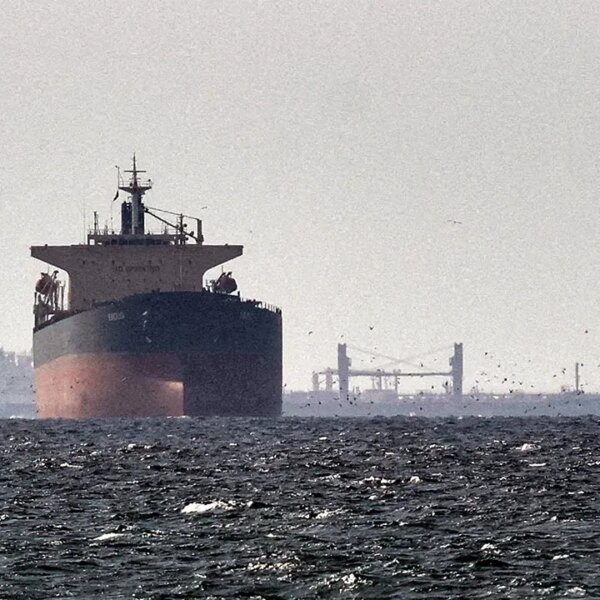
Conversations with several officials since Trump told Fox News that the war would end when he felt it “in my bones” paint a picture of bewilderment and shock. No one seems ready to rally to his call to deploy scant resources to help reopen the virtually shut Strait of Hormuz, the conduit for a fifth of global oil and a large share of liquefied natural gas. Meanwhile, the backchannels to Iran are proliferating as countries, from India to Turkey, seek their own safe passage to get ships through Hormuz.
Even Japan, which rarely wants to appear out of lockstep with the US, said through a senior official that efforts to escort ships face “high hurdles.” That amounts to a polite “no” that reverberates across countries the US failed to consult on the war that it launched Feb. 28 and is now set to last several weeks.
Read More: US, Iran Keep Up Strikes as Trump Mulls Possibility of Deal
The Trump administration is planning to announce as soon as this week that multiple countries have agreed to form a coalition to escort ships through the corridor, according to a report in the Wall Street Journal, which adds that it’s unclear whether operations would begin during or after the fighting.
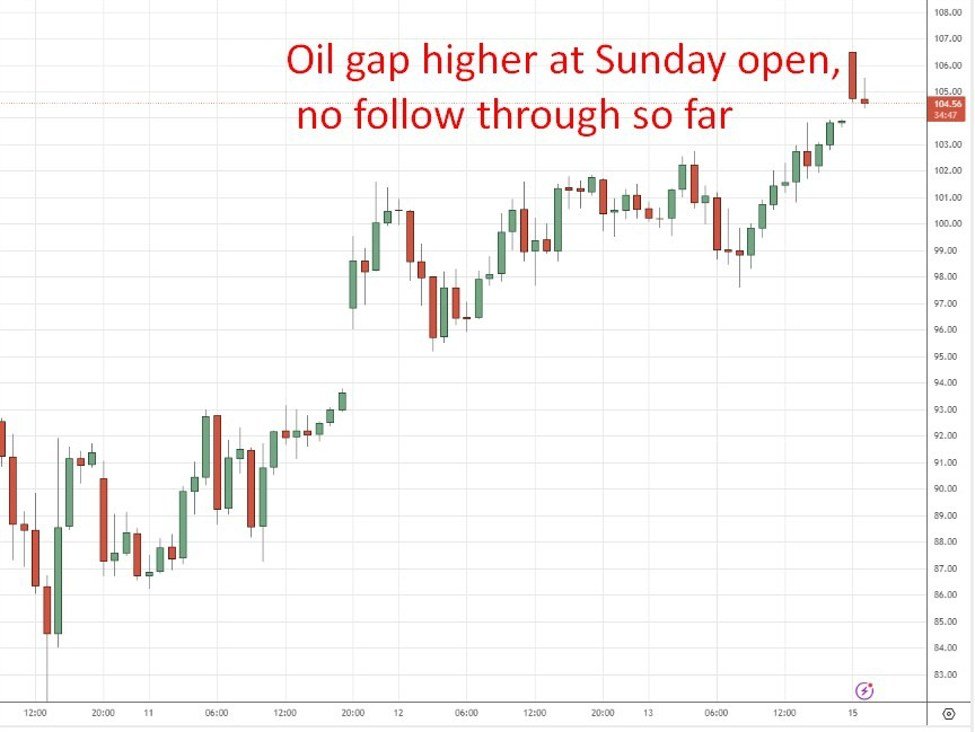
Tehran’s forces fire missiles and drones daily at targets across the Mideast despite punishing US and Israeli attacks – and Trump’s claims of victory. Iran’s stranglehold on shipping in the strait has driven oil prices over $100 a barrel, shaking economies worldwide and threatening Trump’s political prospects at home. Even one of Trump’s own advisers went public Friday calling on him to declare victory and end the fighting.
The latest escalation in US military operations may represent the peak of US operations — an intense surge designed to degrade remaining Iranian capabilities, according to European officials, speaking on condition of anonymity to discuss their governments’ views.
While they discount as exaggerated Trump’s claims that the strikes have destroyed Iran’s military capabilities, the European officials see that rhetoric as potentially laying the groundwork for Washington to declare the operation complete.
“There are strong motivators on all sides to conclude the military phase of the mission expeditiously,” said Victoria Coates, a former Trump deputy national security adviser now at the Heritage Foundation. It is Trump who has “dominant leverage to set the terms of any negotiations,” she added.
A senior Arabian Gulf official warned that it would ultimately only be the sustained rise in oil prices that would force Trump to stop fighting and claim victory, leaving regional allies to deal with the residual threat from a wounded and angry Iran.
For the moment, Trump is vowing to continue the campaign, claiming he’s not ready for a deal — though Iran is. Officials in Tehran remain convinced they can outlast the mercurial US leader, but the damage is mounting.
Read More: Stock Trader’s Guide to Navigating Supply Disruption by Iran War
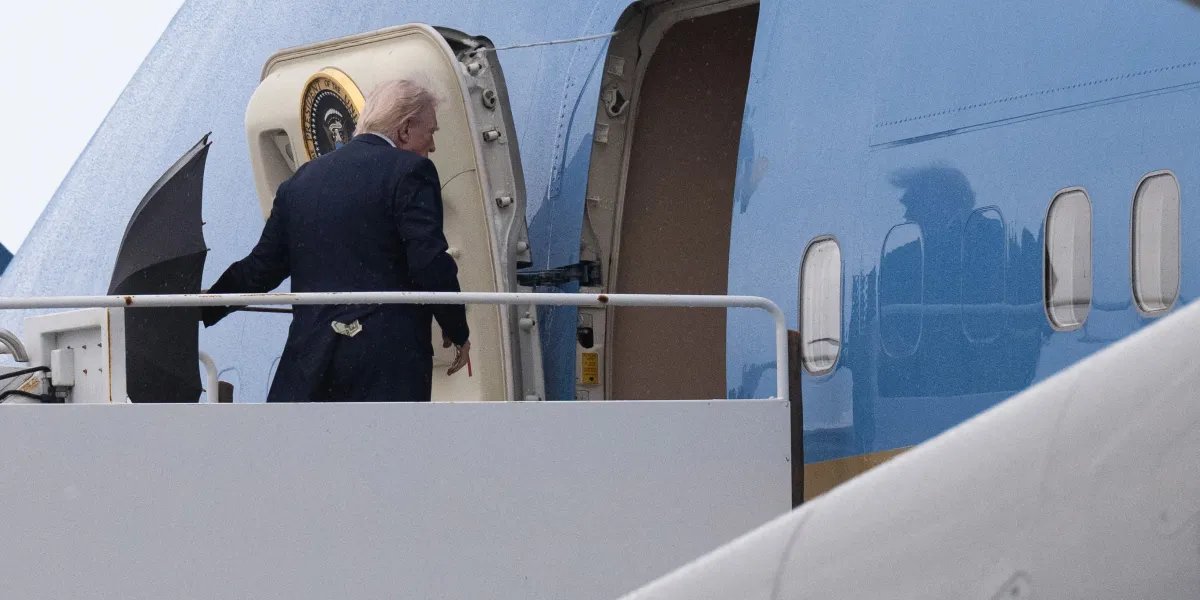
Trump pivoted sharply over the weekend to calling for other countries to join the fray to reopen the strait — a possibility seen in those capitals as ranging from questionable to fanciful. From his Florida golf course, Trump sent a string of mixed messages on social media, calling for support in a war he’s said repeatedly he’s won, and for help in a strait his administration has insisted remains open. He claimed Saturday that Iran wanted a deal, which Iran dismissed.
But Trump’s attempt to wave away concerns with declarations of swift military victory and economic recovery has been stretched thin, with at least 13 Americans killed so far and Trump forced to scramble to ease oil price spikes that further imperil Republicans’ fortunes in a midterm election year. So far, administration efforts to ease the oil-market impact haven’t led to a lasting drop in prices.
Over the weekend, the White House reiterated that the campaign was planned to last four to six weeks but is ahead of schedule. “We expect that the global economy is going to have a big positive shock as soon as this is over,” National Economic Council Director Kevin Hassett told CBS’s Face the Nation.
Read More: Oil Market Set for Tumultuous Week as Kharg Attack Raises Stakes
Trump’s own political coalition is showing signs of strain. David Sacks, Trump’s AI czar, said on a podcast published Friday that he agreed “we should try to find the off-ramp,” saying Iran’s military has been degraded. “This is a good time to declare victory and get out, and that is clearly what the markets would like to see,” he said, warning the conflict could spiral further.
And Vice President JD Vance, an avowed skeptic of foreign incursions, has neither embraced the endeavor fully nor criticized it publicly.
Still, Senator Lindsey Graham, a staunch Trump ally and proxy, praised Trump’s decision to bomb parts of Kharg Island, ending a social media post Saturday with the words of the motto of the US Marine Corps – a nod to the possibility that the US may soon deploy troops on the ground. The US is sending a Marine Expeditionary Unit to the region, officials said Friday.
The US struck military targets on the island, but left intact its oil facilities, which carry the bulk of Iran’s exports.
The International Energy Agency has warned the war may already represent the largest supply disruption in the history of the global oil market. US gasoline prices have already risen sharply — about 65 cents a gallon since the war began. Public support for the war also appears limited, with recent polls showing Americans divided or leaning against the conflict.
“He was hoping this would be a very quick war,” Vali Nasr, an Iran specialist and former Obama administration official who is now a professor at the Johns Hopkins School of Advanced International Studies, told Bloomberg’s Mishal Husain. “Now this war has gone out of his control. It’s longer, messier and is exacting a cost.”
Read More: Why Iran Isn’t Breaking
Some Gulf officials say they have little visibility into Washington’s plans and privately express frustration that the war was launched without meaningful consultation. They say the conflict has underscored how little influence Gulf governments currently have over decisions driving the war, despite their efforts to court the Trump administration with pledges of investment.
“The Gulf states want normalcy: peace and calm to refocus on their national transformation plans,” said Bader Al-Saif, an assistant professor at Kuwait University and an associate fellow at Chatham House. “That requires a major reset to their security arrangements with Western partners and it also requires dialog with Iran.”
Read More: Gulf Economies at Risk of Worst Slump Since 1990s on Iran War
The war may prove difficult to end for a simple reason: Washington and Tehran are measuring victory by very different standards.
For all the US success in striking Iranian military targets, Tehran still has ways to hit back. Even with much of its conventional power damaged, Iran can impose costs through proxy attacks, harassment of shipping and disruption to regional energy flows.
Iran does not need to defeat the US militarily to claim success: Surviving the war may be enough.
“Their calculation is that this is about who has a higher threshold of pain,” said Nasr, the Iran specialist. “They think the United States and Israel can dash a lot faster, but they’re not really long-distance runners.”
Iranian officials have also made clear they are not seeking a quick ceasefire. Senior leaders have framed the conflict as a moment to restore deterrence against the US and Israel and ensure Iran cannot be attacked again.
Iranian Supreme Leader Mojtaba Khamenei said last week the country’s goal was to continue an “effective defense that makes the enemy regret” its actions. “We will extract reparations,” he said in a written statement.
“They may well think they’ve crossed a Rubicon in terms of their ability to inflate the world oil price with relatively simple means,” said Simon Gass, a former UK ambassador to Iran.
Still, countries including Oman, Saudi Arabia and Turkey are exploring channels to reduce tensions and stabilize shipping through the Strait of Hormuz, while European governments are trying to keep back channels open with Iranian intermediaries, officials said.
So far, the efforts remain tentative. European officials say Iran has focused its early messages on two demands: compensation for wartime damage and guarantees against future attacks. Both are likely to be non-starters with the White House.
At the same time, the battlefield could still widen. Israel has expanded operations in Lebanon, while Iraqi militias have signaled a new phase of attacks on US and other foreign targets — leaving any diplomatic opening fragile.
An end to the fighting may also come without negotiations, if Trump decides he’s achieved his goals – or had enough pain.
“The president has destroyed most of Iran’s military and naval power and set back its nuclear program for years,” said Elliott Abrams, who served as the Trump administration’s special representative for Iran. “He could stop any time he decides to do so and claim a victory.”