Earlier:
—
A new energy shock linked to the Middle East conflict is complicating the Federal Reserve’s path toward rate cuts.
This via Nick Timiraos, Wall Street Journal (gated). In brief ….
Summary:
-
The Federal Reserve is confronting new inflation risks linked to the Middle East conflict, complicating expectations for rate cuts.
-
The Fed’s preferred inflation gauge, core PCE, accelerated to 3.1% in January from 2.6% last April, signalling stalled progress toward the 2% target.
-
Markets have sharply repriced policy expectations, with probability of a rate cut by December falling to 47% from 74% before the Iran war began.
-
The Fed’s policy debate now centres less on when rate cuts begin and more on whether easing will occur at all this year.
-
Policymakers must weigh the risk that higher oil prices could push inflation higher while slowing economic growth, complicating the policy outlook.
-
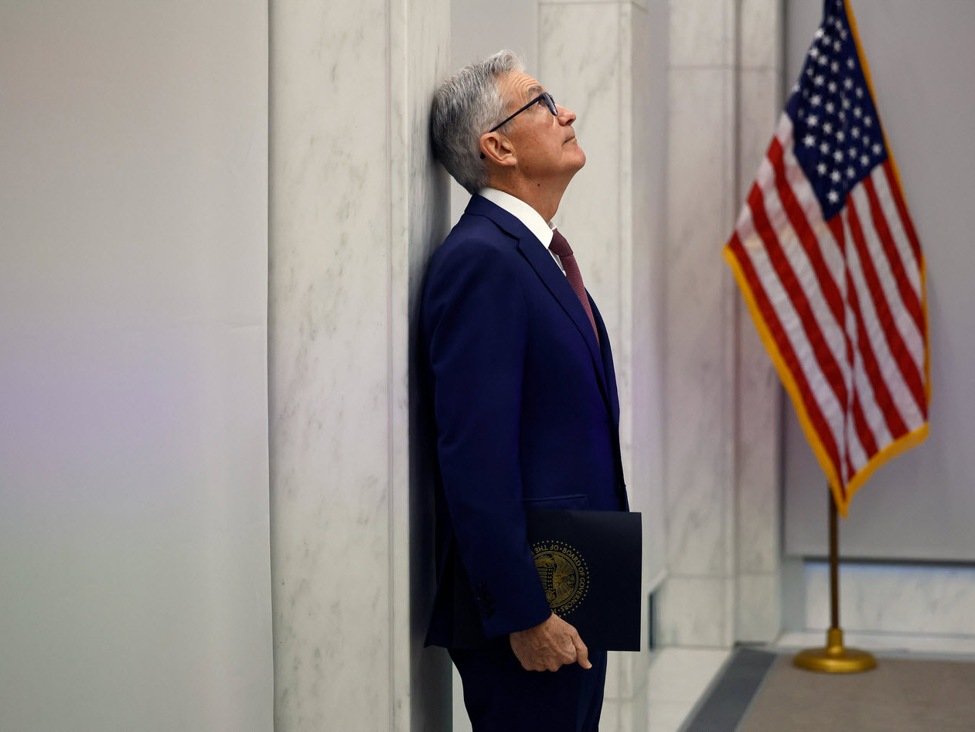
Attention this week will focus on the policy statement, updated economic projections and Chair Powell’s press conference for signals on the Fed’s next move.
Federal Reserve policymakers are once again confronting a shifting inflation landscape as geopolitical tensions in the Middle East threaten to derail the central bank’s progress toward restoring price stability.
For the fifth consecutive year, the Fed’s effort to bring inflation back to its 2% target has been disrupted by external shocks. The pandemic’s economic aftereffects were followed by Russia’s invasion of Ukraine and a global energy spike, then trade tensions and tariffs. Now, the conflict involving the United States and Iran risks pushing commodity prices higher again and delaying the path toward lower inflation.
Recent data already suggested that progress toward price stability had stalled even before the latest geopolitical escalation. The Fed’s preferred measure of underlying inflation, the core personal consumption expenditures price index, rose to 3.1% in January after falling to 2.6% last April, signalling renewed price pressures.
The emerging oil shock could complicate the central bank’s outlook further. Rising energy prices tend to boost inflation while simultaneously weakening economic growth by raising costs for businesses and consumers.
As officials meet this week, the key question confronting policymakers is no longer simply when the next rate cut will occur, but whether the Federal Reserve can still credibly signal that easing remains likely.
The immediate response to the new uncertainty is expected to be caution. The conflict has increased the range of possible economic outcomes, making it difficult for officials to commit to a clear policy trajectory. Oil prices could retreat if tensions ease or surge further if the conflict expands, producing a combination of higher inflation and slower growth.
Financial markets have already adjusted expectations sharply. Traders now see less than a fifty-fifty chance of a rate cut by the end of the year, a significant drop from the expectations that prevailed before the Middle East conflict intensified.
At the upcoming meeting, investors will focus on three key elements: the language in the policy statement, the updated economic projections from policymakers and the signals delivered by Chair Jerome Powell during the post-meeting press conference.
If inflation forecasts are revised higher, the case for interest-rate cuts becomes more difficult to justify, particularly if policymakers believe current policy settings are no longer significantly restraining the economy.
At the same time, some officials remain concerned about the resilience of the labour market and the potential for an energy shock to squeeze household spending and slow growth.
The result is a policy environment marked by heightened uncertainty, where the Federal Reserve may need to wait for clearer evidence on both inflation and economic activity before deciding whether the next move in interest rates will be up, down or delayed further.
—
Statement due Wednesday: