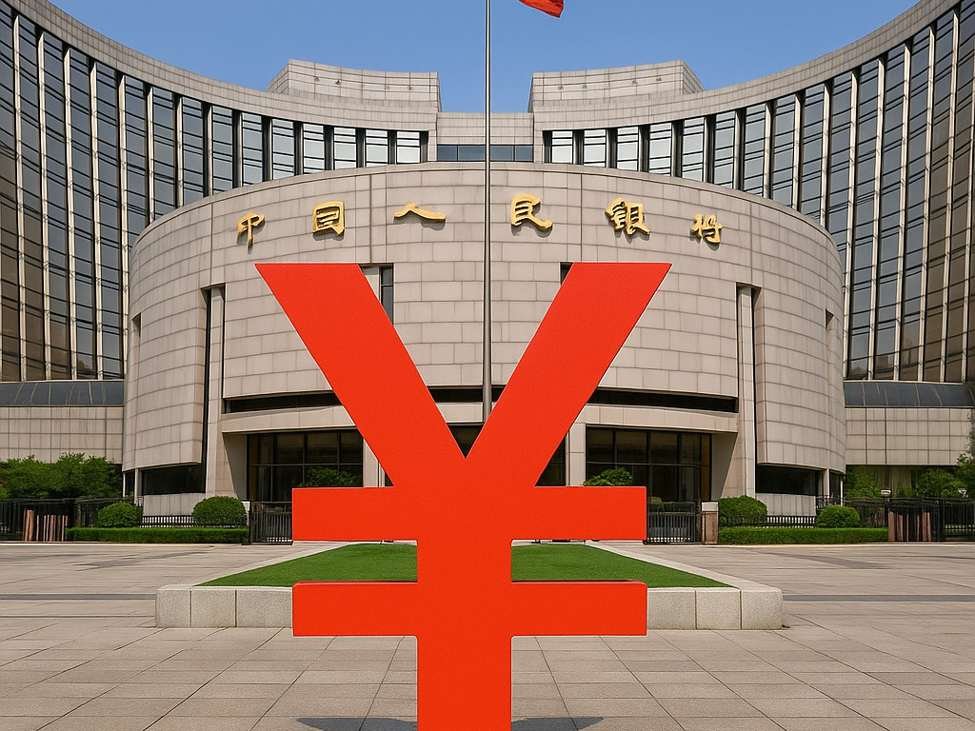
Chinese firms boost FX hedging to record levels as yuan strength pressures exporters.
Summary:
-
Chinese firms ramp up FX hedging as yuan strengthens
-
Net forward settlement contracts hit record $107bn in February
-
Hedging surge reflects concern over export competitiveness
-
Yuan strength driven by dollar weakness, firm PBoC fixing, and improved US-China ties
-
Strong export performance also contributing to FX conversion flows
-
Signals corporates actively managing currency risk amid volatility
Bloomberg reports that Chinese companies are significantly increasing their use of foreign exchange derivatives to hedge currency risk, as a strengthening yuan begins to weigh on export competitiveness. Data from the State Administration of Foreign Exchange (SAFE) showed that net outstanding forward settlement contracts reached a record $107 billion in February, underscoring a sharp rise in corporate hedging activity.
The surge reflects growing concern among exporters that further yuan appreciation could erode margins, particularly as global demand conditions remain uneven. By locking in exchange rates through forward contracts and other derivatives, firms are seeking to protect earnings against adverse currency moves.
Several factors have contributed to the yuan’s recent strength. A softer US dollar has been a key driver, alongside improved sentiment around US-China relations, which has supported capital flows and reduced depreciation pressure on the currency. At the same time, the People’s Bank of China has maintained relatively firm daily fixings, reinforcing expectations of currency stability or gradual appreciation.
Strong export performance has also played a role. Robust trade flows have increased foreign currency inflows, prompting companies to convert more proceeds into yuan, further supporting the currency and amplifying the need for hedging. This dynamic creates a feedback loop in which stronger exports bolster the yuan, which in turn pressures exporters to hedge more aggressively.
In the current environment, the rise in hedging activity is notable for what it signals about corporate behaviour. Rather than relying on policy support alone, firms are proactively managing currency exposure, suggesting a more mature and risk-aware approach to FX volatility.
From a broader perspective, the development highlights the tension between currency strength and export competitiveness in China’s economy. While a firmer yuan can reflect underlying economic resilience and attract capital inflows, it also poses challenges for exporters operating on thin margins.
For markets, the record level of hedging points to expectations that yuan strength may persist in the near term, even as policymakers balance stability with the need to support growth.