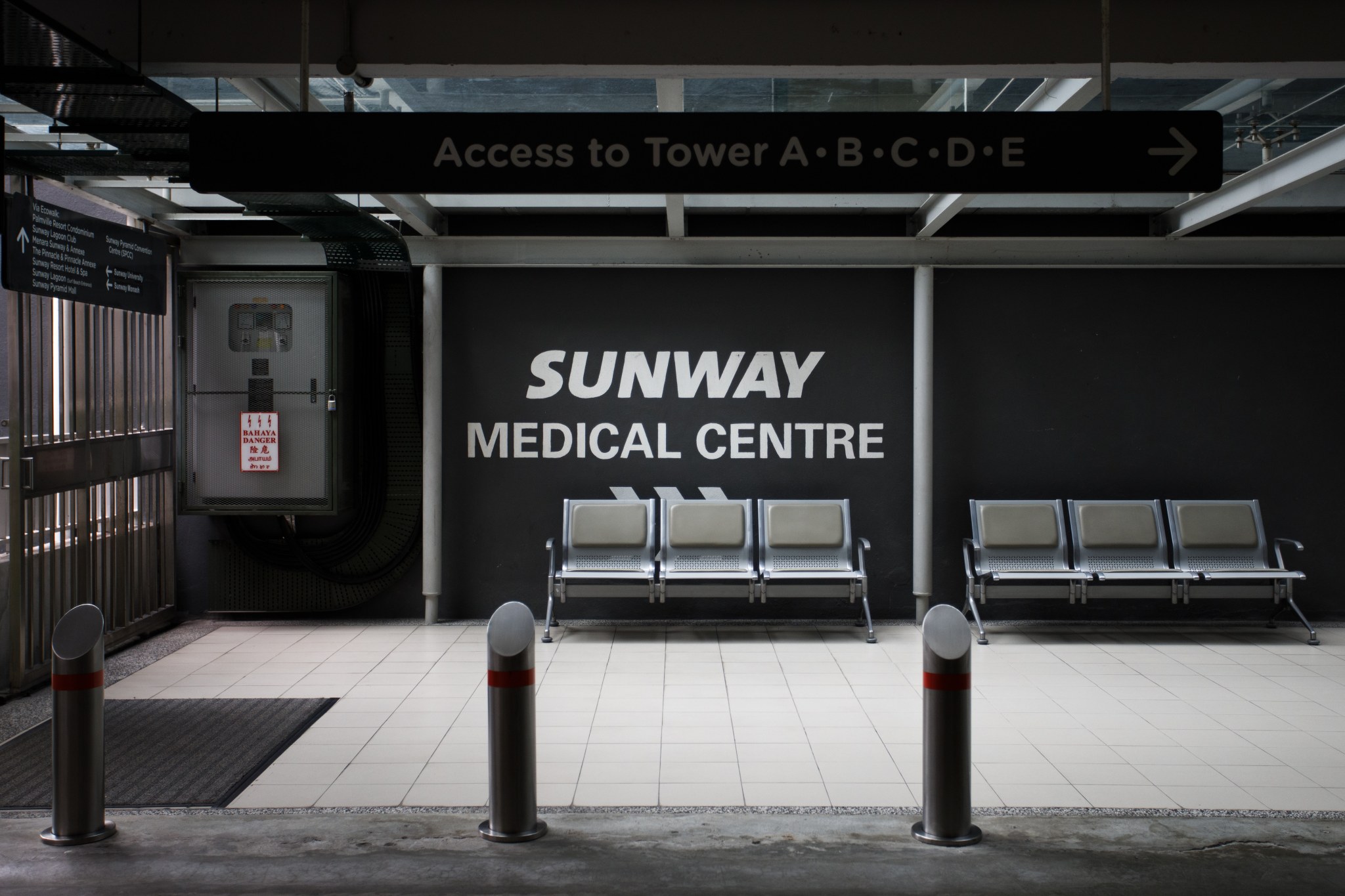
Sunway Healthcare shares rose 28% in their first day of trading, following the company’s 2.9 billion ringgit ($732 million) IPO, the country’s largest in nearly a decade. Shares of the Kuala Lumpur-based hospital operator, previously the healthcare arm of Malaysian conglomerate Sunway Group, closed at 1.85 ringgit on Wednesday, up from the offer price of 1.45 ringgit. The listing is Malaysia’s biggest since 2017’s IPO of Lotte Chemical Titan Holdings.
Sunway Group previously said the spin-off will help unlock shareholder value and improve the business’s access to capital markets. In Sunway Healthcare’s IPO prospectus, Sunway described the health business as a “distinct and viable business of its own.”
Sunway Healthcare generated 1.6 billion ringgit ($403 million) in revenue during the first nine months of 2025, a 17.8% year-on-year jump, according to its prospectus. Yet the company’s profits over the same period declined by 22% year-on-year to hit 140 million ringgit ($35.4 million).
Following its IPO, Sunway Healthcare will continue to operate its network of private hospitals, ambulatory care services and ancillary services, with plans to expand to eight hospitals totalling over 3,400 beds by 2032. Sunway Group will also retain majority control of its healthcare offshoot, owning 69.4% of the shares.
Sunway Group, No. 190 on Fortune’s Southeast Asia 500 list, posted record revenue of 9.8 billion ringgit ($2.5 billion) in 2025, up 24.5% from the year before. The revenue jump was fueled by strong performance across most of its business segments, including property investment and construction.
Malaysia’s greying population
Sunway hopes to tap growing healthcare demand in an aging and wealthier Malaysia. “The outlook for Malaysia’s private healthcare services industry remains positive,” Sunway Group wrote in its Q4 2025 earnings report. “Malaysia has one of the largest middle-income populations in ASEAN, coupled with rising life expectancy and a growing incidence of non-communicable diseases.”
Malaysia has a rapidly aging population, with 14.5% of its population set to be 65 and older by 2040, according to the Malaysian Department of Statistics. Over 2 million Malaysians are living with non-communicable diseases including diabetes, hypertension, high cholesterol and obesity.
Investors are eager to invest in Malaysia’s healthcare boom. KPJ Healthcare, No. 303 on Fortune’s Southeast Asia 500, hit a record share price of 3.53 ringgit during intraday trading on March 18.
Malaysia’s stock exchange, the Bursa Malaysia, has also been having a blockbuster year. The KLCI Composite Index is up by 14.1% over the past 12 months, and breached a six-year high in mid-January. According to Deloitte, Malaysia had more IPOs than other Southeast Asian markets, with 59 IPOs raising 5.5 billion ringgit ($1.4 billion) in 2025.
The Malaysian ringgit has also risen to its strongest value in five years, propelled by AI optimism and rising energy prices. “The Ringgit should be one of the best performing currencies in Asia this year,” wrote Goldman Sachs strategists in a March 14 research note.