Summary:
HSBC stays constructive on markets despite geopolitical volatility.
Summary:
-
HSBC Private Bank remains constructive on six-month investment outlook
-
Global growth expected to be led by U.S. and Asia
-
Markets shaped by AI, fiscal concerns and Middle East conflict
-
Bank maintains overweight stance on global equities
-
U.S. seen as resilient despite investor diversification trends
-
Asia highlighted for innovation and diversification opportunities
-
Europe offers selective opportunities but lags growth
-
Income strategies favoured amid fewer expected rate cuts
-
Increased allocation to alternatives to manage volatility
-
Geopolitical risks seen as manageable within diversified portfolios
HSBC Private Bank remains constructive on the global investment outlook for the next six months, arguing that resilient growth, strong corporate earnings and ongoing innovation should continue to support markets despite geopolitical uncertainty. Source:
In its latest Q2 2026 outlook., titled “Changing narratives, continued opportunity,” the bank acknowledged that markets have been shaped by rapidly shifting themes, including artificial intelligence-driven disruption, fiscal concerns, recent corrections in technology and gold, and the escalation of conflict in the Middle East. However, it maintains that the underlying macro backdrop remains supportive.
HSBC expects global growth to be led by the United States and Asia, underpinned by solid earnings momentum and productivity gains linked to innovation. Europe is seen lagging but still supported by fiscal spending, with stabilising growth and inflation closer to target.
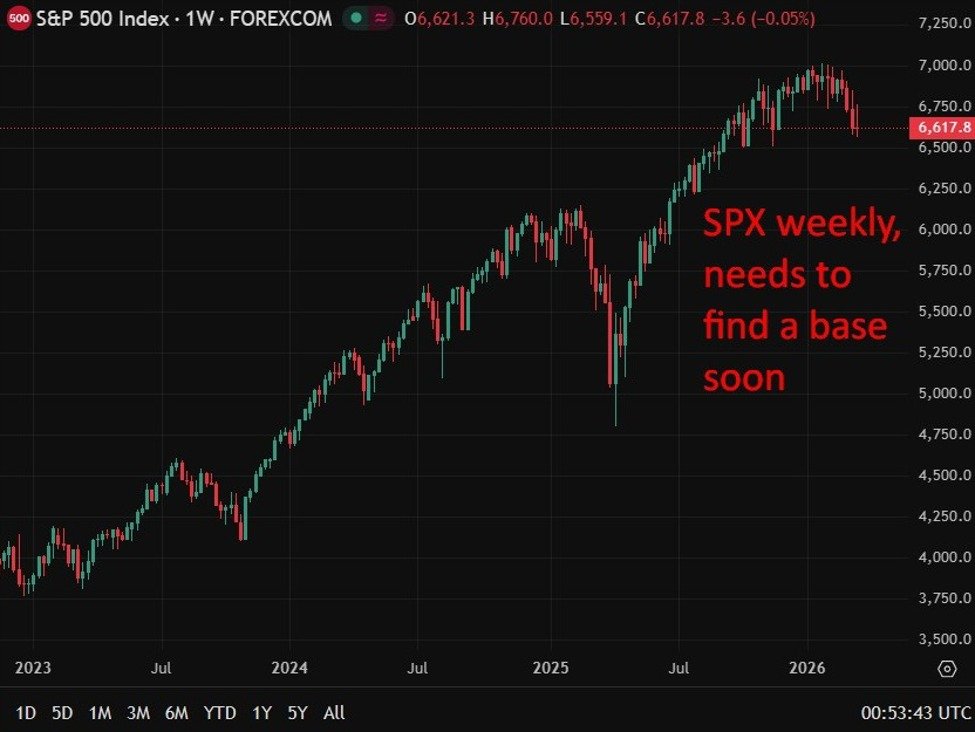
The bank continues to favour global equities, maintaining an overweight stance with a preference for U.S. and Asian markets. While investors have increasingly looked to diversify away from the U.S., HSBC argues that the market has demonstrated resilience, particularly during the recent Iran conflict, supported by its energy sector and technology companies that are relatively insulated from oil price shocks.
Asia is highlighted as a key source of diversification and opportunity. HSBC points to Japan’s corporate governance reforms, South Korea’s semiconductor exposure within the AI supply chain, and broader opportunities across China, Hong Kong and Singapore. At the same time, it remains cautious on markets facing structural governance challenges.
Within Europe, the bank sees more selective opportunities. While valuations appear supportive and policy easing is more advanced, the region remains sensitive to global trade dynamics, currency movements and developments in the Middle East.
Beyond equities, HSBC emphasises the importance of income and diversification. The bank favours investment-grade and emerging market bonds, while also increasing allocations to alternative assets such as hedge funds, private equity, private credit and infrastructure to manage volatility and broaden return sources.
More broadly, the outlook highlights how geopolitical risks—particularly in energy markets—are contributing to market volatility without derailing the underlying growth story. While elevated oil prices and uncertainty may influence sentiment, HSBC argues that diversified, multi-asset portfolios remain well positioned to navigate the current environment.