What’s expected:
- Consensus estimate +70K (range -10K to +135K)
- December +37K
- Private consensus estimate +70K
- Unemployment rate consensus estimate: 4.4% vs 4.4% prior
- Participation rate consensus 62.4% prior
- Prior underemployment U6 prior 8.4%
- Avg hourly earnings y/y exp +3.6% y/y vs +3.8% prior
- Avg hourly earnings m/m exp +0.3% vs +0.3% prior
- Avg weekly hours exp 34.2 vs 34.2 prior
December jobs so far:
- ADP employment report 22K vs 37K prior
- ISM services employment 50.8 vs 51.7 prior
- ISM manufacturing employment 48.1 vs 46.0 prior
- Challenger Job Cuts 108,435 vs 35,553 prior
- Philly employment +9.7 vs +12.9 prior
- Empire employment -9.0 vs +7.5 prior
- Initial jobless claims survey week 200K vs 199K prior
In terms of seasonals, BMO outlines that the unemployment rate tends to undershoot. 59% of previous unemployment prints for January have been lower-than-expected, 33% have been higher-than-estimates, and just 8% have matched the consensus.On the headline, it has come in above estimates 48% of the time and missed 52% of the time, by 132k and 53k, respectively, on average (note that skew).
Also note that the White House gets the number on Tuesday afternoon and any messages could offer a clue on what kind of reading we will get.
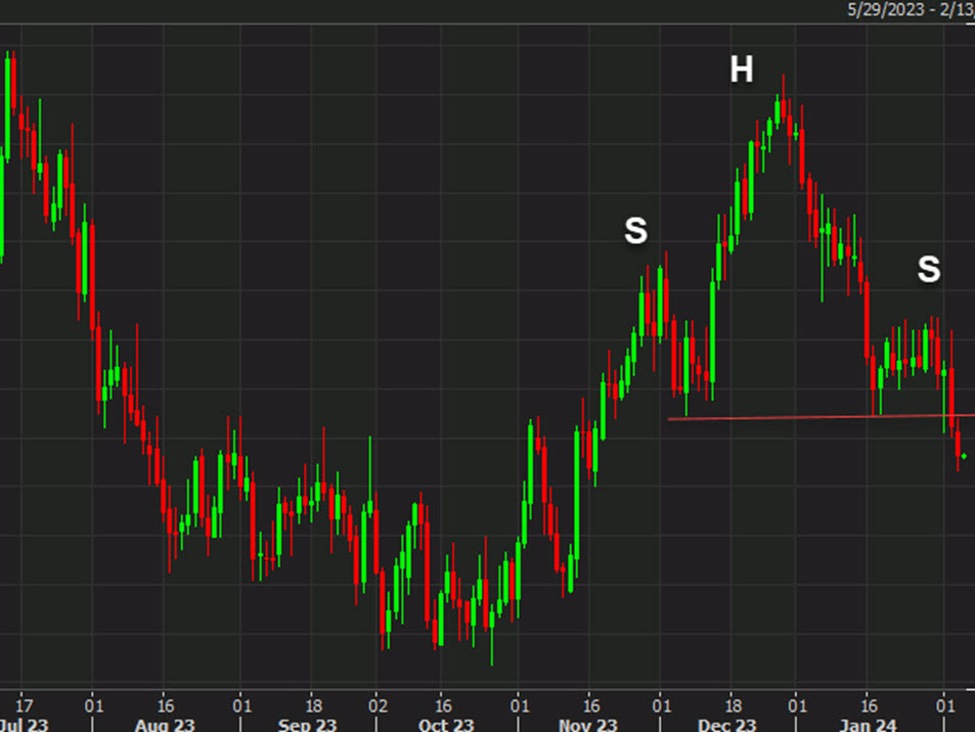
non-farm payrolls, monthly
The US dollar is vulnerable as we head into this reading. There have been a series of better economic data points in general but every recent jobs print has been weak. That could speak to a transformation around artificial intelligence or it could be something else in the economy. The Fed will react if jobs deteriorate and a miss on Wednesday would factor into that.
Note too that benchmark revisions for the period through April 2025 will be released and Jerome Powell estimated 600K jobs lost. If that’s higher or lower it could also factor into the market reaction.