Shares of the company have climbed to record levels in recent weeks, pushing its market capitalization sharply higher—from $270 billion at the end of 2025 to about $347 billion as of Feb. 10. The stock, which has roughly doubled over the past 12 months to an all-time high of $742, has vastly outperformed such tech behemoths as Apple (up 20%) and Microsoft (up about 1%). And investors are betting that Caterpillar’s growing exposure to data centers, energy infrastructure, and AI-related demand hasn’t peaked yet. In fact, over the past 12 months, Caterpillar has ranked as the number-one best performer in the Dow.
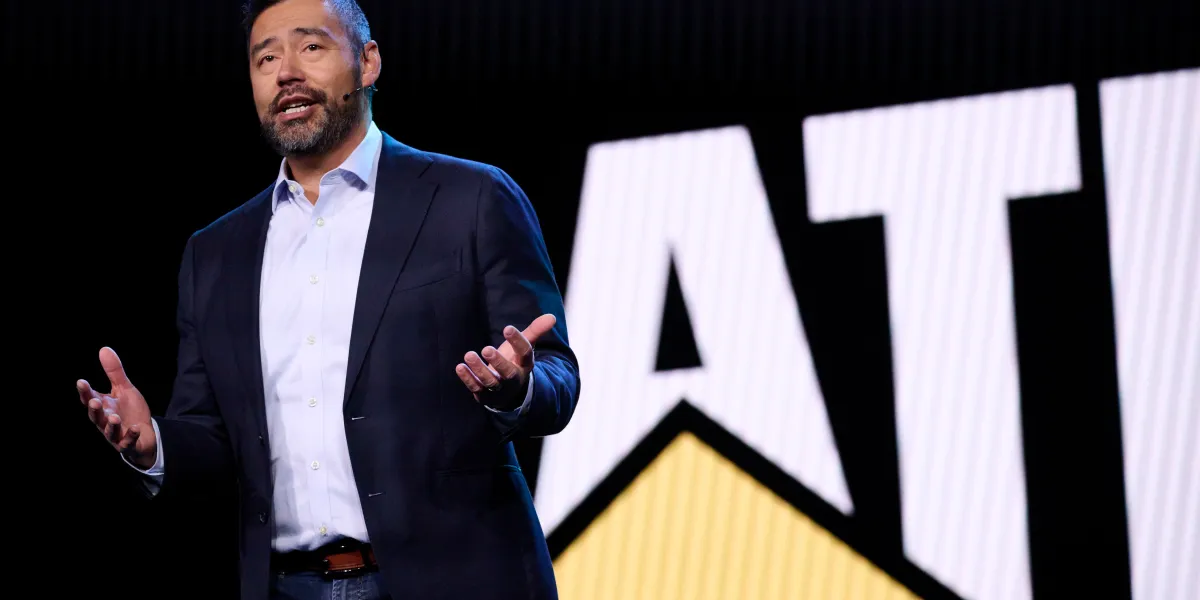
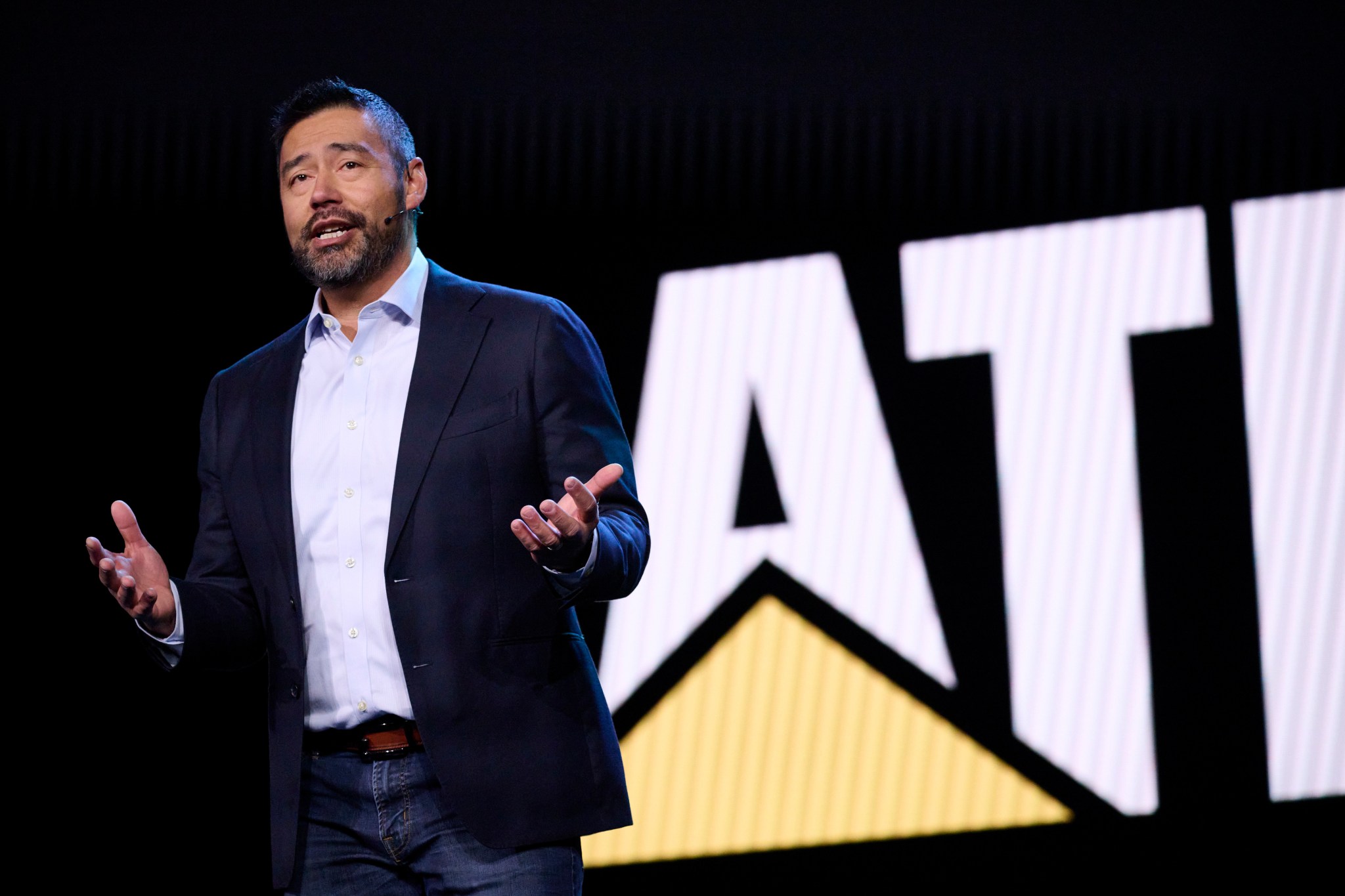
While Caterpillar is well known for its bright yellow construction site vehicles, it has greatly broadened its business mix to include energy and power systems, and resource and mining equipment. Caterpillar CEO Joseph Creed first joined the company in 1997 and has served in various roles, including CFO for the energy and transportation segment and interim CFO. Creed was named Caterpillar’s chief operating officer in 2023 and became CEO on May 1, 2025.
The company’s strategy is “centered on three pillars for profitable growth: commercial excellence, being the advanced technology leader, and transforming how we work—all built upon a foundation of continued operational excellence,” Creed said on the Jan. 29 earnings call.
Caterpillar (No. 64 on the Fortune 500) reported fourth-quarter and full-year results that exceeded Wall Street expectations. Full-year sales and revenues reached a record $67.6 billion, the highest in the company’s history, driven by solid demand across its construction, resource, and energy businesses. Adjusted earnings per share (EPS) for the year totaled $19.06, while fourth-quarter adjusted EPS came in at approximately $5.16, above analysts’ forecasts in the mid-$4 range.
The company also reported a record order backlog of $51 billion, up about 70% from a year earlier, highlighting strong demand visibility entering 2026. Total full-year sales increased 4% compared with the prior year, and Caterpillar generated robust free cash flow, further strengthening its balance sheet.
“Caterpillar shares have risen dramatically over the past year as investors contemplate the company’s exposure to burgeoning demand for artificial intelligence,” Morningstar equity analyst George Maglares wrote in a recent note.
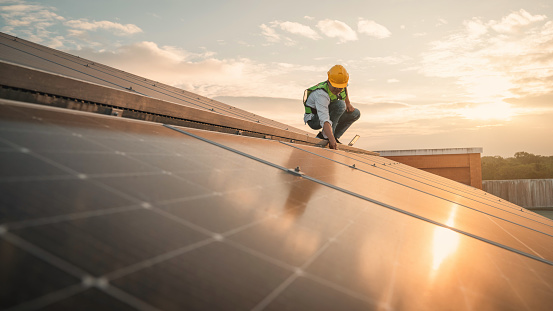
Rather than developing AI technology itself, Caterpillar supplies critical equipment needed to power and support AI-driven infrastructure. The company provides turbines for on-site primary power at data centers, generator sets for backup power, and integrated microgrid systems that can combine traditional energy sources with renewables and battery storage, Fortune’s Jordan Blum reported.
Maglares noted that Caterpillar’s construction industries and resource Industries segments are both showing signs of cyclical recovery. The company exited the year with double-digit growth across all major segments, suggesting solid momentum heading into 2026. Management has guided to mid-single-digit revenue growth of roughly 5% to 7% for the current year, a forecast that Morningstar views as potentially conservative given current demand trends.
Infrastructure spending in North America remains a key driver, particularly as public-sector projects and private investment in energy and digital infrastructure continue to expand, he said. Reflecting these trends, Morningstar recently raised its fair-value estimate for Caterpillar shares into the low-$600 range, citing improved guidance and stronger end-market demand.
The company’s evolving revenue mix also underscores its shift toward energy and power solutions. In 2024, Caterpillar’s Energy and Transportation segment generated about $28.8 billion in annual revenue, surpassing the company’s $25.5 billion reported by its traditional construction industries business for the first time, Fortune reported. The change highlights the growing importance of power generation and energy systems within Caterpillar’s portfolio.
Caterpillar, which celebrated its 100th anniversary last year, is still fundamentally a cyclical business that rises and falls with the global economy. But for now, Caterpillar might be the most surprising beneficiary of a boom that doesn’t look like it’s letting up anytime soon.