NEWYou can now listen to Fox News articles!
Joey Browner, a former NFL star defensive back who spent most of his career with the Minnesota Vikings, has died, the team announced on Sunday. He was 65.
The Vikings selected Browner in the first round of the 1983 NFL Draft out of USC. He worked his way up the depth chart to become a starter in his second season. By his third year with the Vikings, he was selected to his first Pro Bowl.
CLICK HERE FOR MORE SPORTS COVERAGE ON FOXNEWS.COM
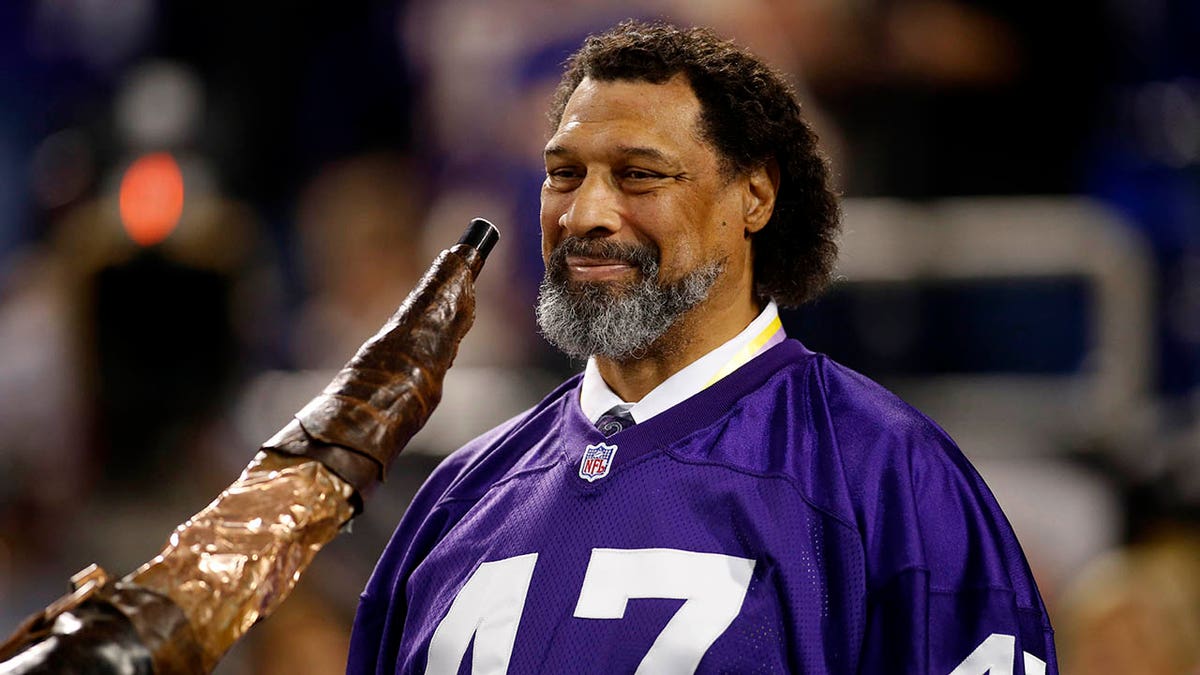
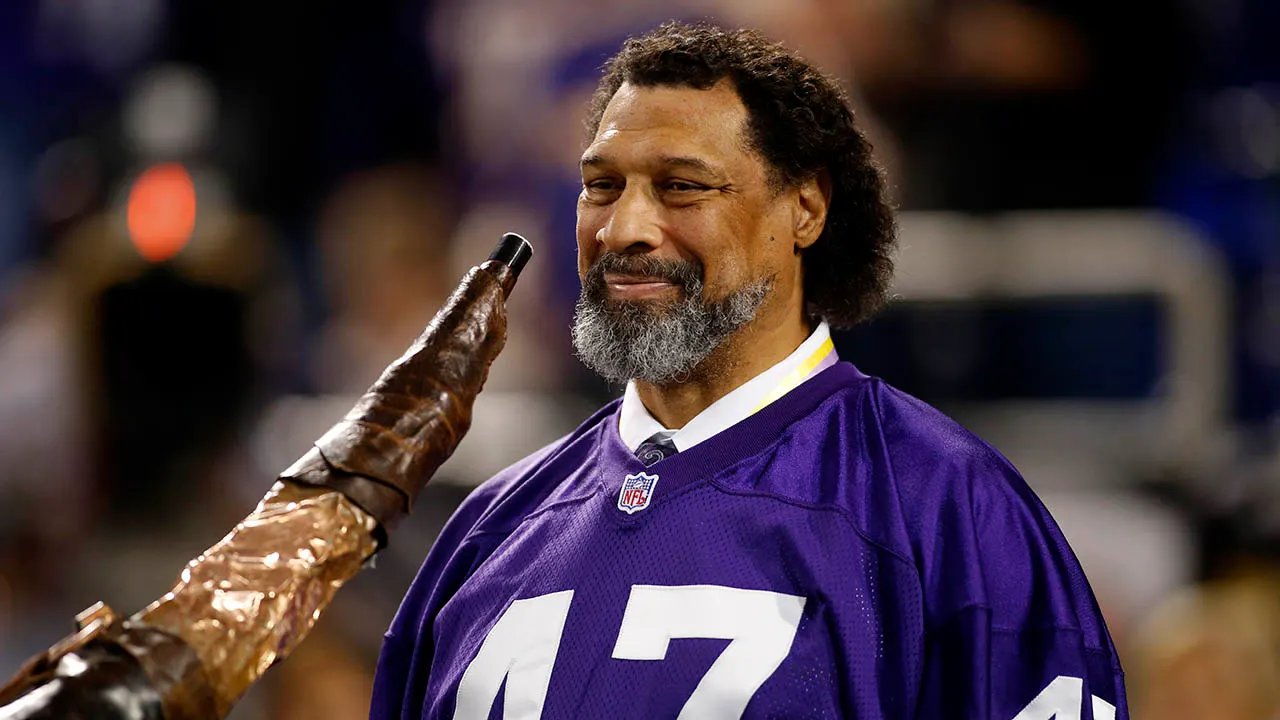
Former Minnesota Vikings safety Joey Browner smiles as his was honored before the game with the Green Bay Packers at Mall of America Field at H.H.H. Metrodome on Oct. 27, 2013. (Bruce Kluckhohn/USA TODAY Sports)
Browner was a six-time Pro Bowler and a three-time First Team All-Pro selection. He was also named to the Pro Football Hall of Fame’s All-1980s Team.
“We’ve lost a great friend and one of the best Vikings teammates,” former Vikings star Steve Jordan said, via the Vikings’ website. “God blessed Joey with phenomenal talent and a big heart to love people and be a beacon of positivity. Truly, he will be missed.”
FORMER RAIDERS ALL-PRO CENTER BARRET ROBBINS DEAD AT 52: ‘DEEPLY SADDENED’
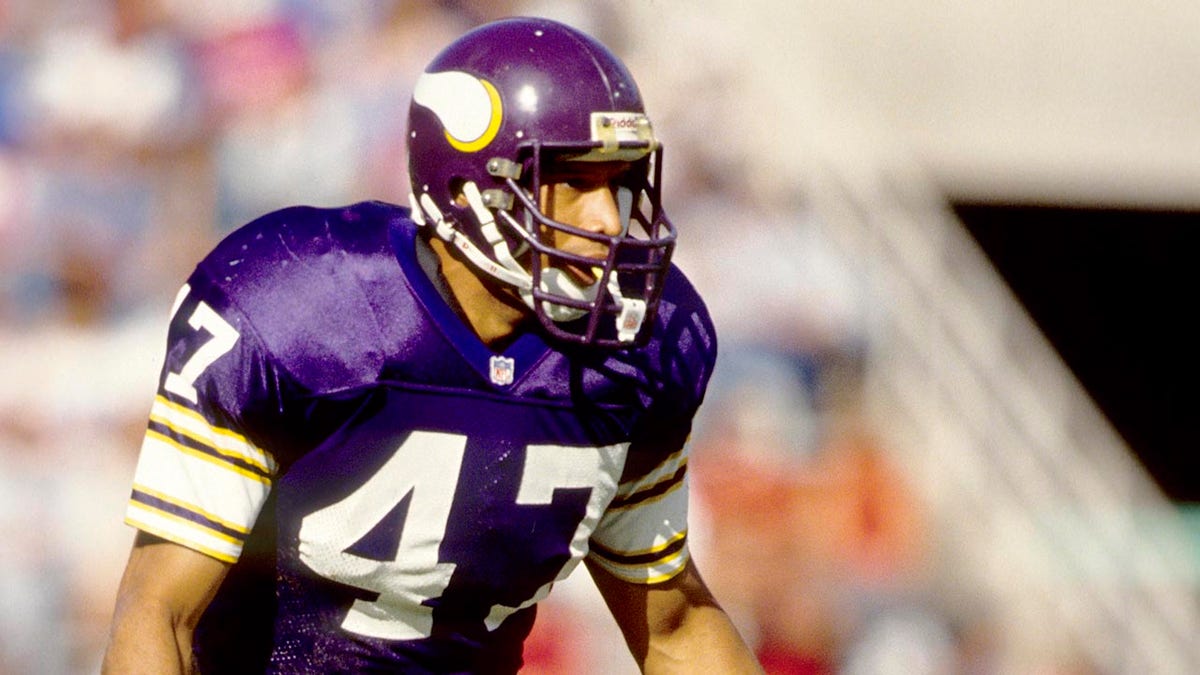
Minnesota Vikings safety Joey Browner (47) on the field against the Phoenix Cardinals at Sun Devil Stadium on Oct. 27, 1991. (USA TODAY Sports)
Browner played nine years with the Vikings. He had 37 interceptions and 9.5 sacks in 138 games with the Vikings. Minnesota honored Browner by putting him into their Ring of Honor in 2013.
One of his best seasons came in 1990. He played all 16 games for the Vikings that year and had a career-high seven interceptions.
He appeared in six playoff games for the Vikings, but was never able to make it to the Super Bowl.
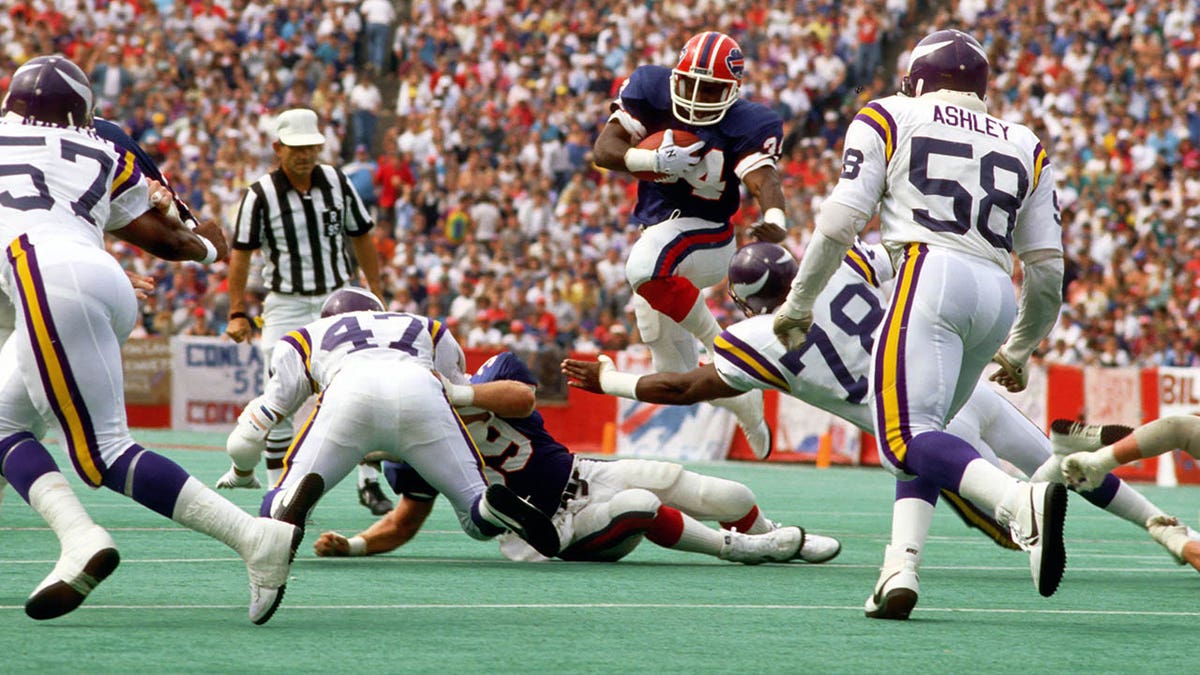
Buffalo Bills running back (34) Thurman Thomas leaps over Minnesota Vikings defensive end (78) William Gay and (47) Joey Browner at Rich Stadium in the Sept. 4, 1988 season opener. (Tony Tomsic/USA TODAY NETWORK)
CLICK HERE TO DOWNLOAD THE FOX NEWS APP
He played seven games for the Tampa Bay Buccaneers in 1992 before he retired from football.
Follow Fox News Digital’s sports coverage on X and subscribe to the Fox News Sports Huddle newsletter.