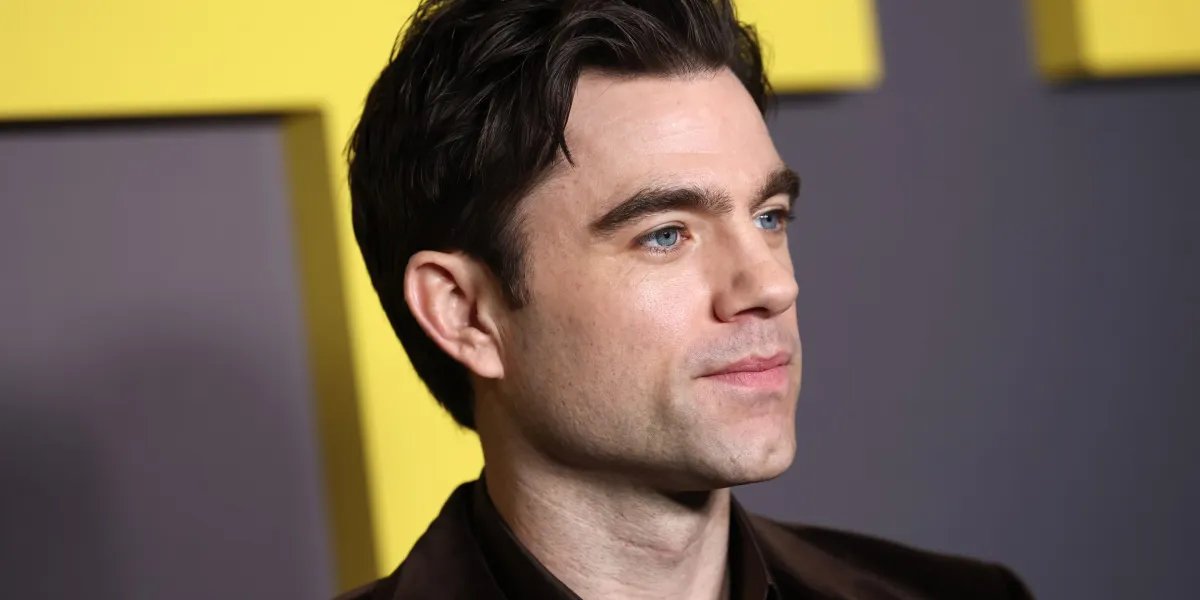
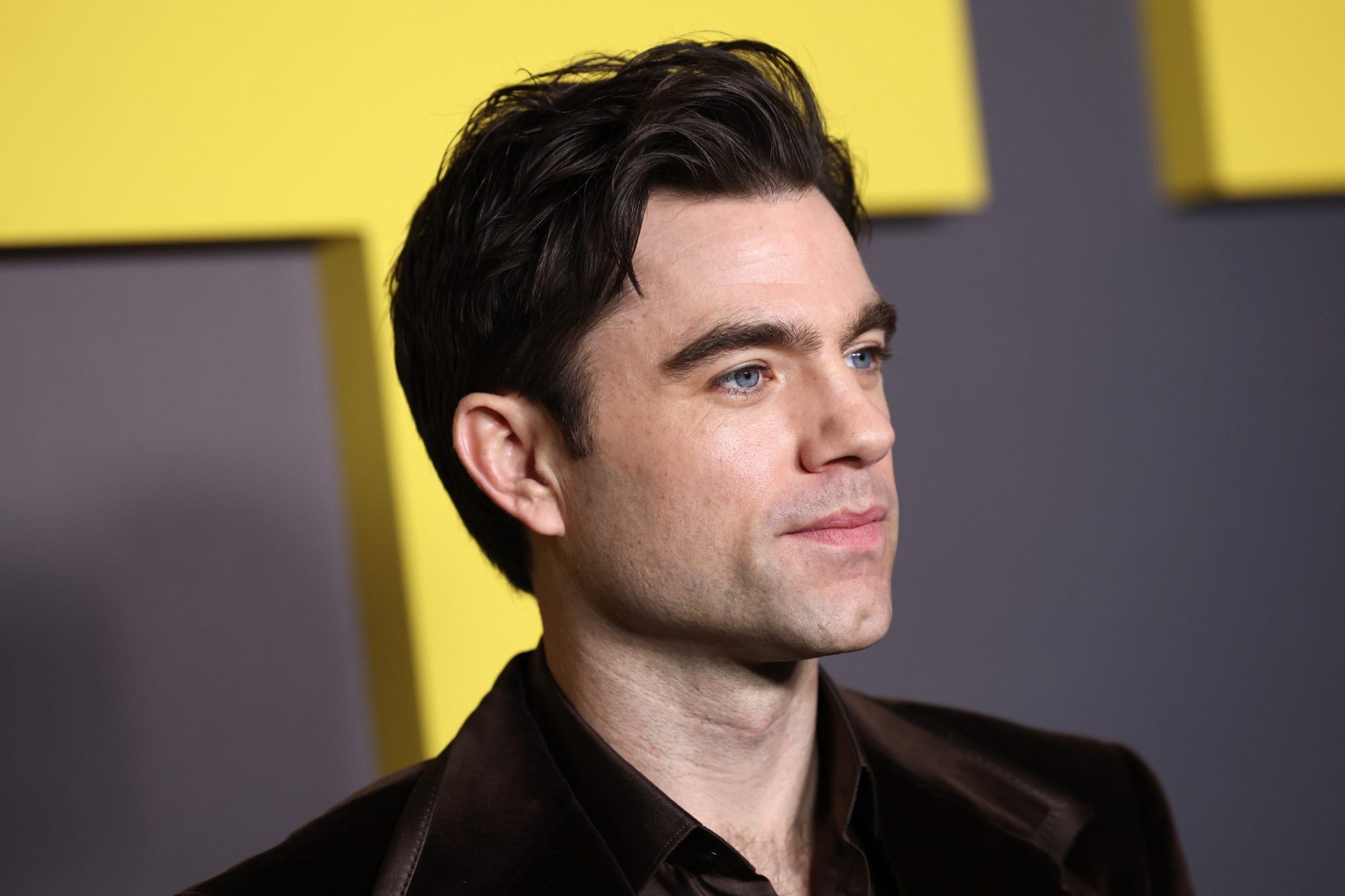
Patrick Ball may play senior resident Dr. Frank Langdon on The Pitt, the hit HBO medical drama, but off-screen, his financial reality looked nothing like his character’s steady climb toward a six-figure salary. Before his breakout role, Ball came close to walking away from acting altogether—overwhelmed by student loan debt he feared would follow him for life.
“I paid off my student loans like three months into The Pitt, and that was a really profound moment ‘cause I thought I was gonna die with it,” Ball recently told Cultured, reportedly tearing up.
“It’s a huge burden to carry, and a lot of people carry it. I was $80,000 in debt and I had been through a series of failed relationships where my financial insecurity was a real problem. I had just thought that was going to be my life forever, and that is a really heavy thing to live with.”
Ball grew up in North Carolina and briefly attended the University of North Carolina at Greensboro, majoring in journalism. He ultimately dropped out to pursue a career in acting, spending five years on the road doing regional theatre. Later, he enrolled at the Yale School of Drama—where he accrued the bulk of his debt.
For years, Ball often earned just $700 a week (about $36,400 annually) and, months before landing The Pitt, was juggling three jobs, including at a coffee shop, while living in Brooklyn.
“And then the call for The Pitt came in, and everything was different.”
Ahead of the show’s January 2025 debut, it was reported that series regulars like Ball were set to make between $35,000 and $50,000 per episode. With 15 episodes in the first season, that puts his earnings at a minimum of $525,000—enough to wipe out the debt that once felt permanent. The show’s second season finale is set to air later this month, with a third season expected to follow next year.
Ball was one of 40 million Americans with student debt—and it nearly pushed him to quit acting
Ball’s financial struggles nearly pushed him to walk away from acting altogether. At one point, he began seriously considering a career pivot—exploring the prospect of joining the Merchant Marines or even moving to Alaska to work at a fishing camp in search of stability.
That uncertainty wasn’t just his alone.
During the summer between his two years at Yale, Ball returned home to North Carolina, where his parents—his mother an emergency room nurse, his father a paramedic—questioned whether the risk was worth it. They even encouraged him to consider a steadier path, like becoming an HVAC technician.
“They were worried about me taking on all that debt and wondering why I would do that to myself,” Ball recalled to The Hollywood Reporter.
It’s a concern that reflects a broader shift in how families are thinking about higher education.
Outstanding student loan balances now total roughly $1.7 trillion, distributed through some 42.8 million borrowers, according to the U.S. Department of Education’s Federal Student Aid office. At the same time, many graduates are struggling to find stable footing in the labor market: 5.6% of recent college graduates are unemployed, while 42.5% are underemployed—working in jobs that typically don’t require a degree, according to the Federal Reserve Bank of New York.
After adding artificial intelligence into the mix, many families are seeking alternatives to college like trade schools or apprenticeships—with some 70% of teenagers reporting their parents now support such a shift.
At the same time, some families are rethinking how they allocate financial support altogether. A separate report from Northwestern Mutual found that 74% of parents with children at home would consider—or have already started—saving to help their kids purchase a home. Among those parents, nearly 3 in 10 indicated that helping with home ownership is more important than paying for college tuition.
For Ball, the return on his education wasn’t immediate—or guaranteed. But despite the uncertainty, he encourages young people not to abandon their ambitions too quickly.
“Stick in there. Don’t give up. Believe in yourself and keep your eye on the prize,” he said to his alma mater, UNCG.
“And remember to pay attention to your life along the way. You don’t need The Pitt to happen for your life to begin. Pay attention to your life because it’s happening all around you.”