IEA chief backs a Basra-Ceyhan pipeline to bypass Hormuz, boost Iraq export resilience and strengthen Europe’s energy security, as Turkey pushes broader ambitions to become a regional oil and gas transit hub.
Summary:
- IEA chief backs Basra–Ceyhan pipeline to bypass Hormuz chokepoint
- Iraq heavily reliant on Hormuz for ~90% of oil exports
- Project seen as strategic for Europe’s energy security
- Turkey positioned as key regional energy transit hub
- Broader push includes rail corridor and Qatar–Turkey gas pipeline
The head of the International Energy Agency has called for the construction of a new oil pipeline linking Iraq’s southern export hub to the Mediterranean, arguing it would materially reduce global reliance on the Strait of Hormuz and strengthen regional energy security.
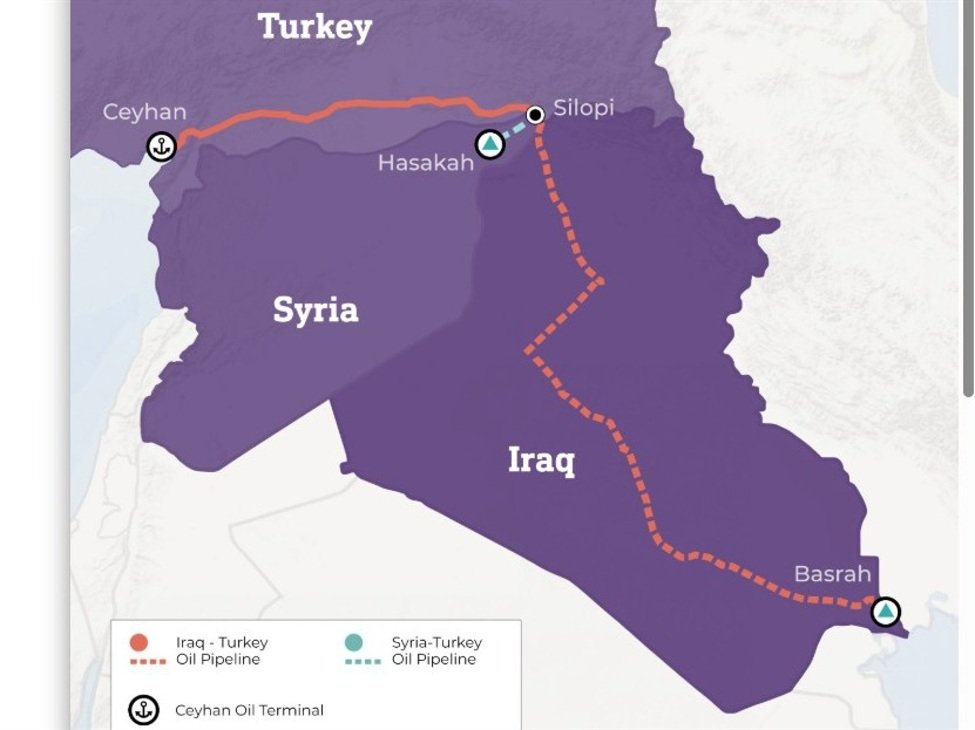
Fatih Birol said a proposed pipeline connecting Iraq’s Basra oil fields to Turkey’s Ceyhan export terminal could serve as a strategic alternative route for crude flows, particularly at a time when geopolitical risks in the Gulf remain elevated. Iraq currently depends heavily on shipments through Hormuz, with the Basra region accounting for roughly 90% of the country’s oil exports.
Birol framed the project as both a necessity and an opportunity, critical for Iraq’s export resilience while offering Turkey a chance to deepen its role as a regional energy hub. From a European perspective, he added, such infrastructure would enhance supply security by diversifying import routes away from vulnerable maritime chokepoints.
He also expressed confidence that financing hurdles could be overcome, suggesting current market conditions and geopolitical dynamics make this an opportune moment to pursue the project. The key challenge, in his view, lies in securing political alignment between Baghdad and Ankara, though he indicated such an agreement is achievable.
The proposal builds on existing infrastructure discussions, including Turkey’s plan to extend the Kirkuk–Ceyhan pipeline, currently Iraq’s largest crude export line via Turkey.
Separately, Ankara is advancing broader regional connectivity ambitions. Turkey, Syria and Jordan have agreed to modernise rail infrastructure to create a continuous corridor linking southern Europe with the Persian Gulf, a project expected to take four to five years before potentially connecting into Saudi Arabia’s rail network.
Turkey has also revived plans for a long-discussed natural gas pipeline from Qatar to Europe via Saudi Arabia, Jordan and Syria, reinforcing a wider push to position itself as a central transit hub for both oil and gas flows between the Middle East and Europe.
Currently:
—
The proposal is structurally bearish for long-term oil risk premiums tied to Hormuz, but with no near-term supply impact. If realised, it would diversify export routes and reduce chokepoint risk, potentially compressing geopolitical risk pricing in crude. For Europe, it strengthens supply security. For Turkey, it reinforces its role as an energy hub, with positive implications for regional flows and investment.