Goldman Sachs estimates 57% of Gulf crude output was offline in April. A Hormuz reopening could restore most supply within months, but tanker shortages and well damage may slow recovery. (Reuters with the info)
Summary
- Goldman Sachs estimates around 14.5 million bpd of Gulf crude output, roughly 57% of pre-war supply, was offline in April
- Shutdowns are largely precautionary rather than the result of physical damage to oilfields, supporting a faster recovery outlook
- A safe and sustained Hormuz reopening, absent renewed attacks on oil infrastructure, could allow relatively quick production restoration
- Saudi Arabia and the UAE have spare capacity to support a faster ramp-up; Iran and Iraq face greater recovery risks
- Available empty tanker capacity in the Gulf has fallen by around 130 million barrels, or 50%, limiting how quickly exports can resume even after reopening
- Prolonged well shut-ins risk reducing flow rates, particularly in lower-pressure reservoirs, requiring workovers before full output is restored
- External agency forecasts average around 70% of lost output recovered within three months and 88% within six months
- Goldman cautions that a prolonged closure raises the risk of lasting and more difficult-to-reverse supply damage
Gulf oil production could largely recover within a few months of the Strait of Hormuz fully reopening, Goldman Sachs said on Thursday, though the bank cautioned that a prolonged closure raises the risk of more lasting supply damage that would complicate any rebound.
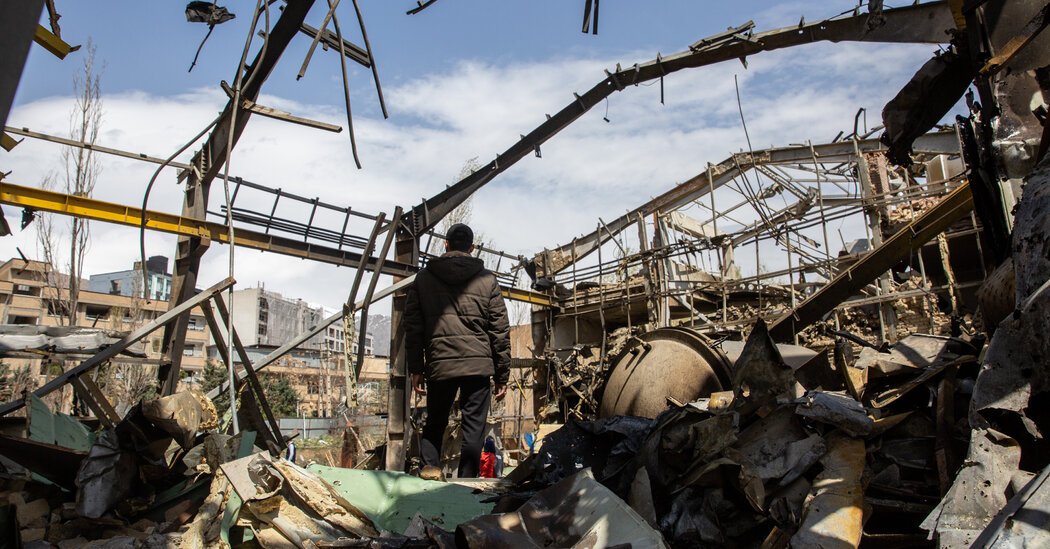
According to Reuters, Goldman estimated that around 14.5 million barrels per day of Gulf crude output was offline in April, equivalent to roughly 57% of pre-war supply. Critically, the bank said the shutdowns have been largely precautionary in nature, driven by stock management decisions and the closure of the strait rather than by physical damage to oilfield infrastructure. That distinction matters considerably for the recovery outlook — if fields and facilities are broadly intact, the path back to normal production levels is far shorter than if the conflict had caused widespread structural damage.
The Strait of Hormuz handles around a fifth of global oil flows under normal conditions, meaning even a temporary closure carries severe implications for energy markets worldwide. Goldman said in a research note that a safe and sustained reopening of the strait, in the absence of renewed attacks on oil infrastructure, would allow production to return relatively quickly, supported by spare capacity held by Saudi Arabia and the United Arab Emirates, both of which are better positioned than other regional producers to ramp output swiftly.
However, Goldman identified two significant constraints that would temper the pace of any recovery even in a best-case scenario. First, available empty tanker capacity in the Gulf has fallen by around 130 million barrels, or roughly 50%, meaning the physical ability to move oil once exports resume is materially reduced. Even with fields producing, the logistics of getting crude to market will take time to rebuild. Second, prolonged well shut-ins carry their own risks. Extended periods of inactivity can reduce flow rates, particularly in lower-pressure reservoirs, and may require costly workover operations before output can be fully restored. The longer production stays curtailed, Goldman warned, the slower and more complicated the recovery is likely to be.
The outlook is not uniform across the region. Saudi Arabia is seen as the best placed to restore output quickly, given its infrastructure quality and available spare capacity. Iran and Iraq face considerably greater challenges, with reservoir characteristics, existing infrastructure constraints and, in Iran’s case, the continuing weight of international sanctions all acting as headwinds to a rapid recovery.
Drawing on an average of forecasts from external agencies, Goldman estimated that Gulf producers could recover around 70% of lost output within three months of a Hormuz reopening and approximately 88% within six months. Those numbers offer a degree of longer-term reassurance for markets, but they also underscore the scale of the supply hole that has opened up and the time it will take to close it — even under relatively favourable assumptions about the conflict’s resolution.
—
Goldman’s assessment offers a cautiously constructive longer-term signal for oil markets, suggesting that once the Hormuz strait reopens, the supply recovery could be relatively swift provided infrastructure damage is limited. However, the near-term picture remains deeply bearish for supply, with 14.5 million bpd of Gulf crude still offline in April. The tanker capacity constraint is a particular concern, as even a political resolution to the conflict would not immediately translate into restored oil flows. The differentiated country outlook, with Saudi Arabia best placed to ramp up quickly and Iraq and Iran facing more structural hurdles, has implications for OPEC cohesion and the pace of any global supply normalisation. For energy markets, the key variable remains the duration of the closure — every additional month of disruption raises the risk of more lasting production impairment.