The list of winners from the Iran war is a relatively short one. Belligerents are at an impasse, fuel consumers worldwide remain on the hook, and business leaders are nervously waiting to see whether the economy can emerge without tumbling into recession. Despite this, there is one sector where business is booming.
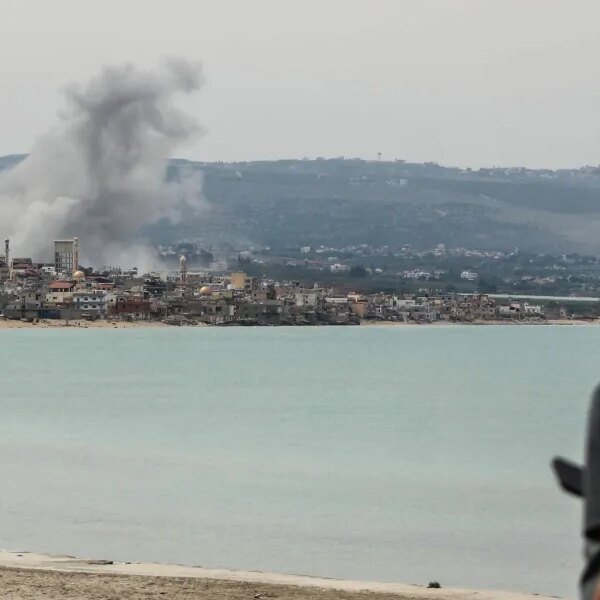
U.S. defense companies are soaring, and not just because of war in the Middle East. In addition to fighting the conflict, the Defense Department is looking to restock dwindling stores of weapons and munitions. Many of these were used up in the U.S. military’s opening salvo against Iran, but armament commitments to other countries including Ukraine have also depleted supplies.
The upshot is orders worth billions of dollars from the Pentagon, and defense contractors are more than ready to do business.
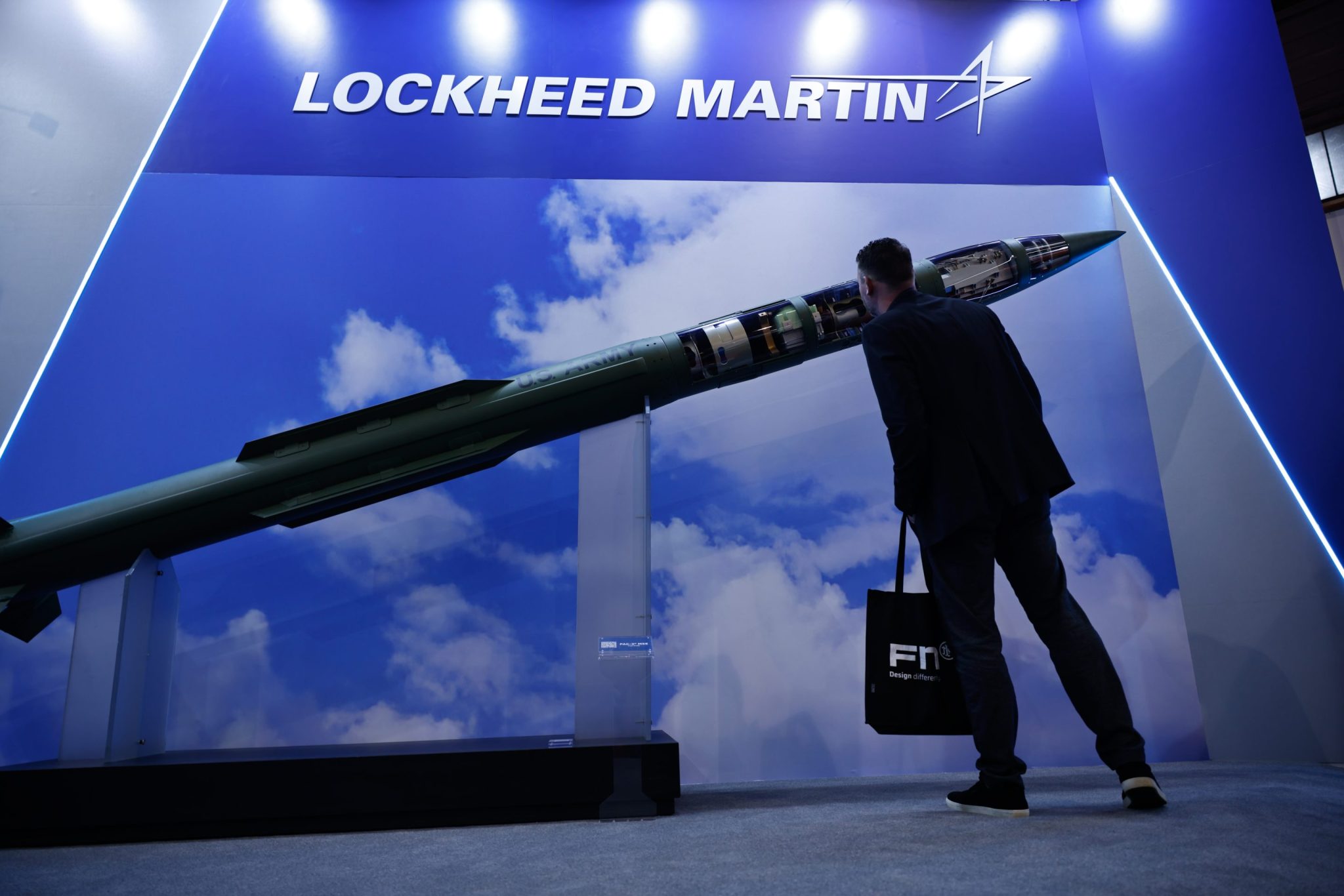
“The administration’s prioritization of defense industrial-based investment and modernization spending provides a constructive backdrop as we execute,” Jim Taiclet, CEO of defense firm Lockheed Martin, said during an earnings call Thursday.
“This is a golden opportunity right now based on who’s in government, their experience, their willingness to change the demand that they have for what we do,” he added.
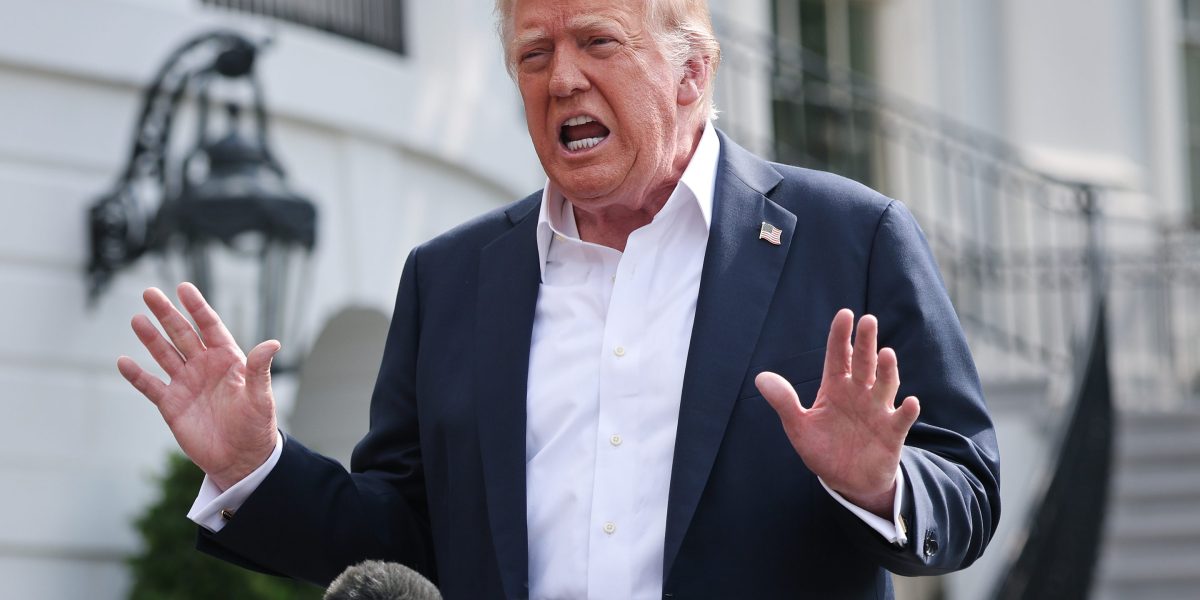
President Donald Trump’s Pentagon has been the most spend-happy of recent years. For 2026, Congress allocated a record $901 billion to the department run by Pete Hegseth. Earlier this year, Trump submitted his budget request for 2027 defense spending: an enormous $1.5 trillion war chest, a 40% increase that Trump himself said would likely mean budget cuts to federally funded domestic programs including Medicaid and Medicare.
That mammoth sum includes tens of billions for new ships and jets, as well as $18 billion for the “Golden Dome” missile defense system Trump announced last year, but doesn’t account for the bulk of mounting costs tied to U.S. involvement in Iran. The budget was finalized before the conflict began, and as the war stretched from days into weeks, the bill grew larger. Last month, the Pentagon reportedly asked the White House to allocate an additional $200 billion in funding.
When asked by reporters about the sum, Hegseth said the number “could move,” while adding: “It takes money to kill bad guys.”
All that new spending amounts to a windfall for defense contractors. Since the Second World War, the share of the Defense Department’s budget allocated to external firms has been on a steady rise, but spending surged in the past few decades.
A study published last year by the Quincy Institute and Brown University found that as recently as the 1990s, only 41% of military spending went to private firms. But between 2020 and 2024, that number jumped up to 54%, meaning of the Pentagon’s $4.4 trillion budget over that period, around $2.4 trillion went to military contractors. The country’s five largest defense firms—Lockheed Martin, RTX (the company formerly known as Raytheon), Boeing, General Dynamics, and Northrop Grumman—received $771 billion.
During Trump’s second term, these companies have signed on for massive deals to resupply the country’s military stock. Last month, defense executives met with Trump to discuss a quadrupling of production targets to fulfill commitments. U.S. defense firms big and small are also sitting on hundreds of billions of dollars in order backlogs for everything from Patriot interceptor missiles to F-35 fighter jets. RTX ended 2025 with $107 billion in defense-specific backlogs. Lockheed Martin reported a record $194 billion in expected orders.
Backlogs of that size mean new orders are likely coming in faster than defense firms can fulfill existing ones, suggesting the industry’s streak could be just beginning. Their prospects are also boosted by a recent surge in European defense spending, which McKinsey projects will hit €800 billion by 2030 (around $937 billion in today’s dollars).
U.S. companies might struggle to stay prominent in the European market, given new EU rules and a fast-growing family of homegrown defense firms. But there will likely be plenty of business left over at home. Around half of the U.S. military’s most expensive missile stocks were depleted in the first seven weeks of the Iran conflict, according to an analysis published this week by the Center for Strategic and International Studies, leaving the country potentially unprepared for conflict with China in the Pacific.
The paper’s authors estimated that it would take between one and four years to restock munitions. Plenty of time for defense firms to get to work.