US military strikes hit Iran’s Bandar Abbas and Qeshm Island; Iran claims it fired missiles at three US destroyers and launched drones; explosions reported in Abu Dhabi.
Summary:
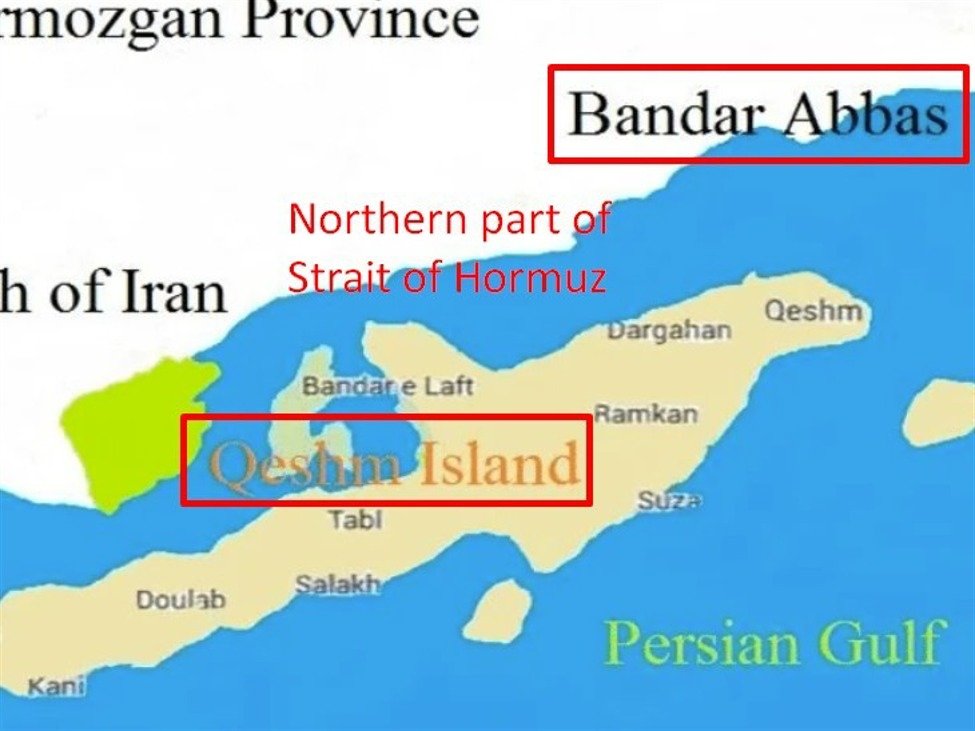
- The US military struck the Iranian port city of Bandar Abbas and Qeshm Island in the Strait of Hormuz, according to an American official speaking to Fox News
- A senior US official stated the strikes are not a restart of the war and do not represent an end to any ceasefire, per the same source
- Iran’s top military joint command says the US violated the ceasefire by targeting two Iranian oil tankers near the Strait of Hormuz and carrying out air attacks on civilian areas along Iran’s southern coast with the cooperation of “some regional countries.”
- Iranian state media confirmed explosions in both Bandar Abbas and Qeshm Island
- Iran claimed it launched missiles at three US destroyers and deployed suicide drones, per Iranian state media reports
- An explosion was reported in Abu Dhabi in the United Arab Emirates, according to available reports
- Anti-aircraft fire was reported over Tehran, per circulating reports
The United States military has carried out strikes on the Iranian port city of Bandar Abbas and Qeshm Island, located in the northern reaches of the Strait of Hormuz, in a sharp escalation of tensions in the Gulf that marks a dangerous new phase in the confrontation between Washington and Tehran.
An American official confirmed the strikes to Fox News, while a senior US official sought to contain the diplomatic fallout by insisting the action does not constitute a resumption of war and does not signal an end to any existing ceasefire. That framing deserves scrutiny. Strikes on sovereign Iranian territory using military force are, by any conventional measure, an act of war, and the official’s insistence to the contrary reflects a pattern of linguistic management designed to limit political consequences rather than describe operational reality.
Iranian state media confirmed that explosions struck both Bandar Abbas and Qeshm Island. Tehran then reported that it had responded, claiming to have fired missiles at three US destroyers in the Gulf and deploying suicide drones as part of its counter-action. If confirmed, that represents a direct Iranian military engagement with US naval assets, a threshold that carries severe escalatory potential.
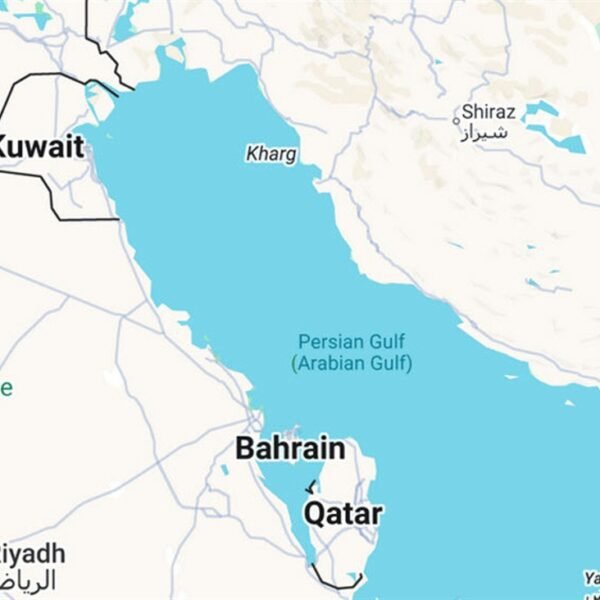
The geography of the strikes is significant. Bandar Abbas is Iran’s principal commercial and naval port, and Qeshm Island sits at the entrance to the Strait of Hormuz, through which approximately 20 percent of the world’s seaborne oil supply transits daily. Any military activity in or around that corridor will be interpreted by energy markets as a direct threat to global supply.
Further complicating the picture, an explosion was reported in Abu Dhabi in the United Arab Emirates, raising the possibility that the conflict is already spilling beyond Iranian and US military assets into Gulf state territory. Separately, anti-aircraft fire was reported over Tehran, suggesting that the Iranian capital itself is under some form of aerial threat.
The speed and geographic spread of these events suggest a rapidly deteriorating security situation across the Gulf region. The White House’s semantic insistence that hostilities do not constitute war is unlikely to provide meaningful reassurance to markets, shipping operators, or regional governments now watching events unfold in real time.
—–
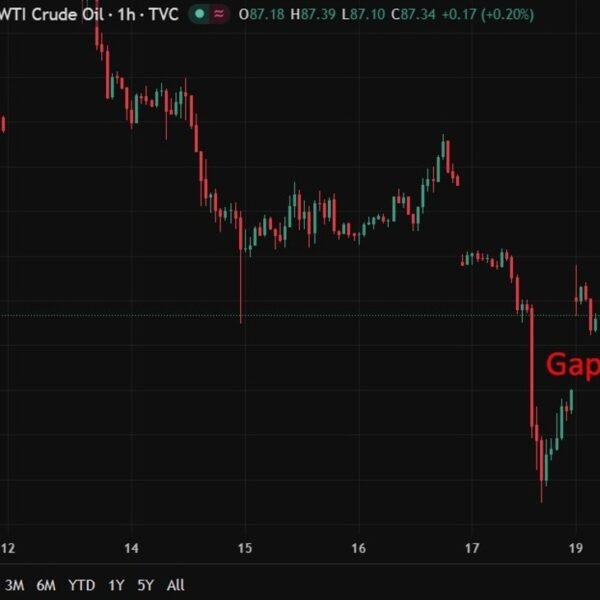
The strikes represent a sharp and sudden escalation in Gulf risk, with Hormuz, the world’s most critical oil chokepoint, now a confirmed active theatre of military operations. Any sustained disruption to navigation through the strait would immediately threaten roughly a fifth of global seaborne crude supply, and markets can be expected to price in a sharp risk premium.
The reported explosion in Abu Dhabi introduces a UAE dimension that widens the threat perimeter beyond Iranian territory and into the heart of Gulf infrastructure. Anti-aircraft fire over Tehran suggests the Iranian capital itself is under some form of aerial pressure, raising the prospect of a broader Iranian state response.
The official US framing that their strikes do not constitute a resumption of war will do little to calm traders; markets price events, not semantics.