Elon Musk’s SpaceX is preparing for the biggest IPO in history, and its next-generation Starship vehicle may be the key to its sky-high valuation.
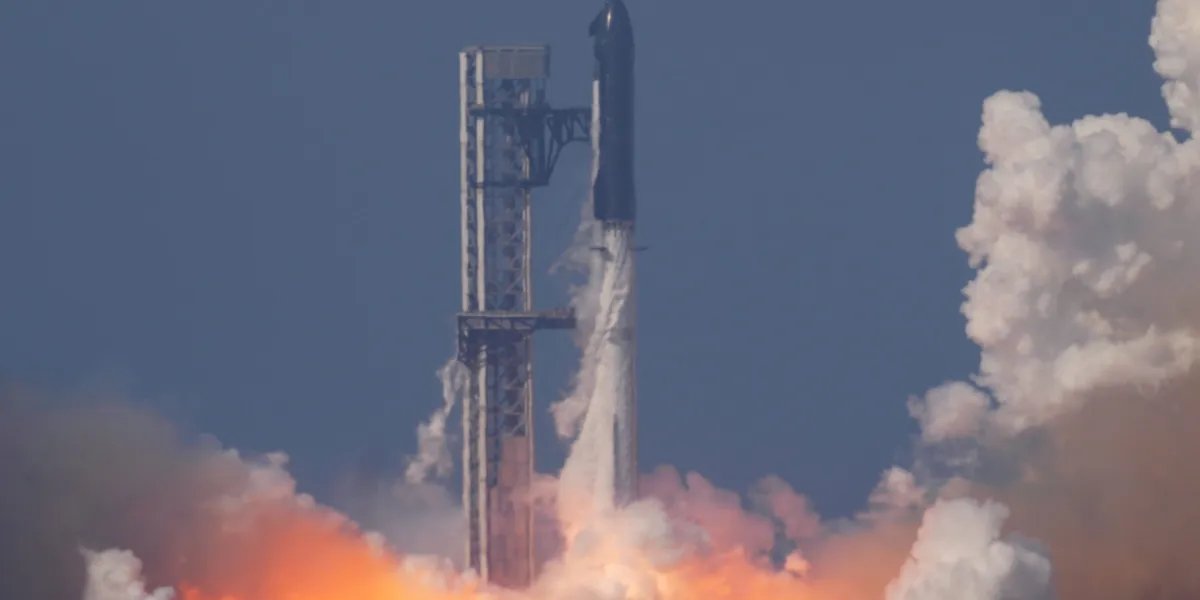
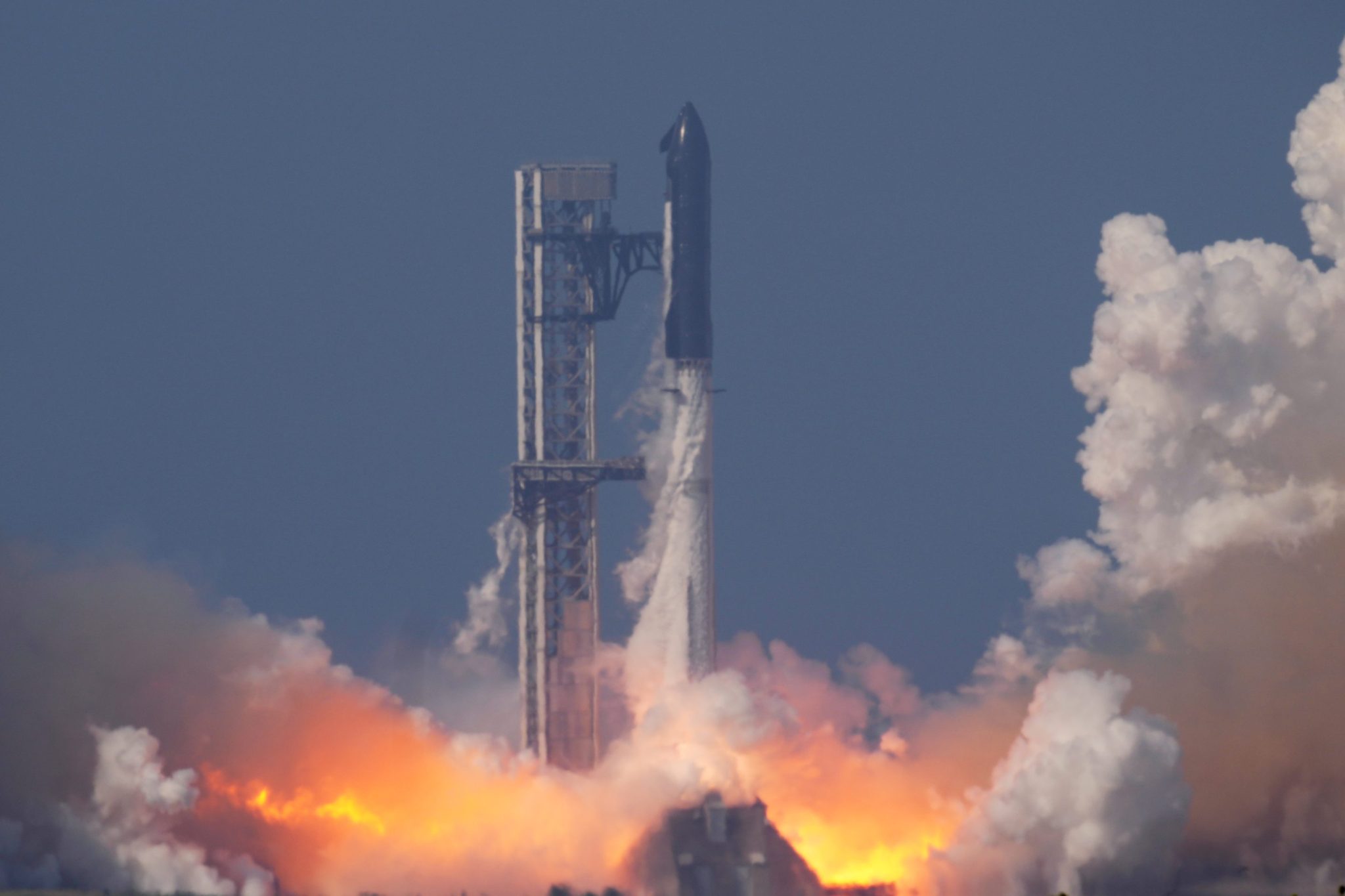
At 408 feet tall, the fully reusable Starship V3 looms higher than any previous version. It can carry a payload of up to 100 metric tons, a significant increase from the 35 metric tons that the V2 could carry. It also sports 33 new Raptor 3 engines that provide 18 million pounds of force at liftoff.
Yet, what may be more impressive than the vehicle’s specs is what it is meant to accomplish. The V3 will serve as the foundation for the myriad businesses that are helping fuel SpaceX’s eye-popping $1.7 trillion valuation, said Chad Anderson, the founder of VC firm Space Capital and an early SpaceX investor.
Everything from Starlink’s satellite internet business and its cell phone ambitions to its plans for orbital data centers are based on the V3, said Anderson.
“This next-generation vehicle is what enables all of these future businesses,” he told CNBC.
Anderson also sees a convergence between ground-based infrastructure and orbital infrastructure on a large scale, creating opportunities to move heavy industry off planet.
In addition, Starship is expected to play a role in building a base on the moon and eventually a colony on Mars. In fact, SpaceX’s IPO filing showed that Musk would receive additional shares if he puts data centers in orbit and builds a Mars colony.
“Starship also enables all kinds of frontier markets,” he said.
The Starship V3 is still in development and is currently undergoing test flights. After a scheduled test flight Thursday was scrapped, SpaceX successfully launched it on Friday evening.
Starship’s significantly higher payload capacity enables the company to launch more next-generation satellites to space than could ever be handled by SpaceX’s partially reusable Falcon 9. This is important as SpaceX eventually plans to put 42,000 satellites in low Earth orbit, up from about 10,000 now, which will help the company connect “hundreds of millions” of mobile users to its satellite network.
While still in the early stages, the Starship V3 is also essential to the company’s orbital data center ambitions. Because orbital data centers, in theory, require huge amounts of infrastructure like giant solar arrays, to be launched into space, the V3’s upgraded carrying capacity is essential.
Questions remain about how SpaceX is justifying its astronomical valuation. The company’s IPO prospectus sees its “total addressable market” reaching as high as $28.5 trillion, just a few trillion short of the U.S. annual GDP. This is the market that is “actionable” for SpaceX, according to the document.
Aleksandar Tomic, an economist and the associate dean for strategy, innovation, and technology at Boston College, told Fortune SpaceX’s prospectus leaves much up to the imagination.
“There are big questions, like what multiple should you evaluate it at, and then what multiple should you assign to the fact that Elon Musk is connected to it,” he said. “But it’s difficult to get into any of that, when he will not even tell you.”
Still, Anderson said in the CNBC interview that SpaceX cannot be valued like any other company. Its lofty ambitions with orbital data centers or a future Mars mission need to be taken into account. In short, SpaceX is more than just a rocket company, he said.
“Investors and allocators are pricing in 2040 economics here. You’re not looking at this business as a launch business. You’re looking at it as their launch business is a competitive advantage that gives them access to orbit,” he said.