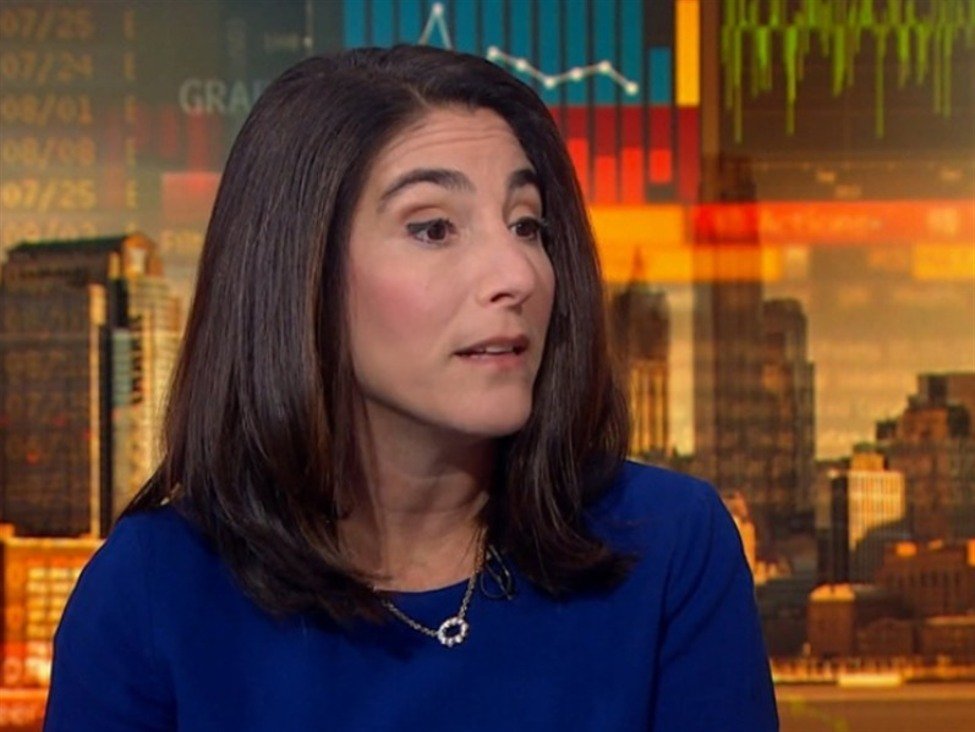
Cleveland Fed President Beth Hammack is a hawk and has been consistent in that thinking since last summer. With her latest comments she underscores the worries about inflation that won’t be going away if the Strait of Hormuz remains blocked and AI super-spending continues:
- ‘Reasonable’ to keep rates steady for now given uncertainties
- There are risks to waiting for signs that high inflation is becoming embedded in the economy
- Main concern is growing risk of persistent inflation pressures
- Worries mon pol may not be tight enough to lower inflation
- Remains firmly committed to getting inflation back to 2%
- Economy is facing a broadening array of factors driving up inflation
- Unemployment is around full employment
I’m also increasingly worried about inflation given the extreme amounts of spending on AI capex. That’s going to (or is already) seeping into construction materials and energy prices. Compound that with tariffs, oil prices, high US consumer spending, low immigration, huge US deficits and aging US demographics and it’s increasingly clear that the Fed is asleep at the wheel.
In time, I think this will be common knowledge and once the market realizes the Fed is behind the curve, there’s going to be some real pain in bonds.
For background, Hammack has become noticeably more concerned about inflation over the past year. When she joined the FOMC in 2024, she generally emphasized patience and the need to balance inflation risks against a gradually cooling labor market. More recently, however, she has argued that inflation has remained above the Fed’s 2% target for too long and warned that an “inflationary mindset” may be becoming entrenched among businesses and consumers. She has highlighted broad-based price pressures, not just tariffs, and has stressed the importance of keeping inflation expectations anchored. In the latest FOMC, Hammack even dissented against Fed guidance that implied an easing bias, arguing that persistent inflation and heightened uncertainty require policymakers to remain open to holding rates steady—or even tightening further if necessary.