The analyst consensus is constructive on risk assets but explicitly not euphoric. Oil majors are flagged as likely to give back gains as the war premium unwinds, with BP and Shell already underperforming since late March in anticipation of a deal. Emerging market equities and local currencies are the preferred expression of the trade, underpinned by the dollar softness and energy cost relief combination. Precious metals are a secondary watch, having underperformed during the conflict and potentially positioned to catch up as the focus shifts from war risk to rate and dollar dynamics. The FOMC meeting this week is cited by at least one analyst as likely to carry more near-term market weight than the geopolitical headline itself.
—
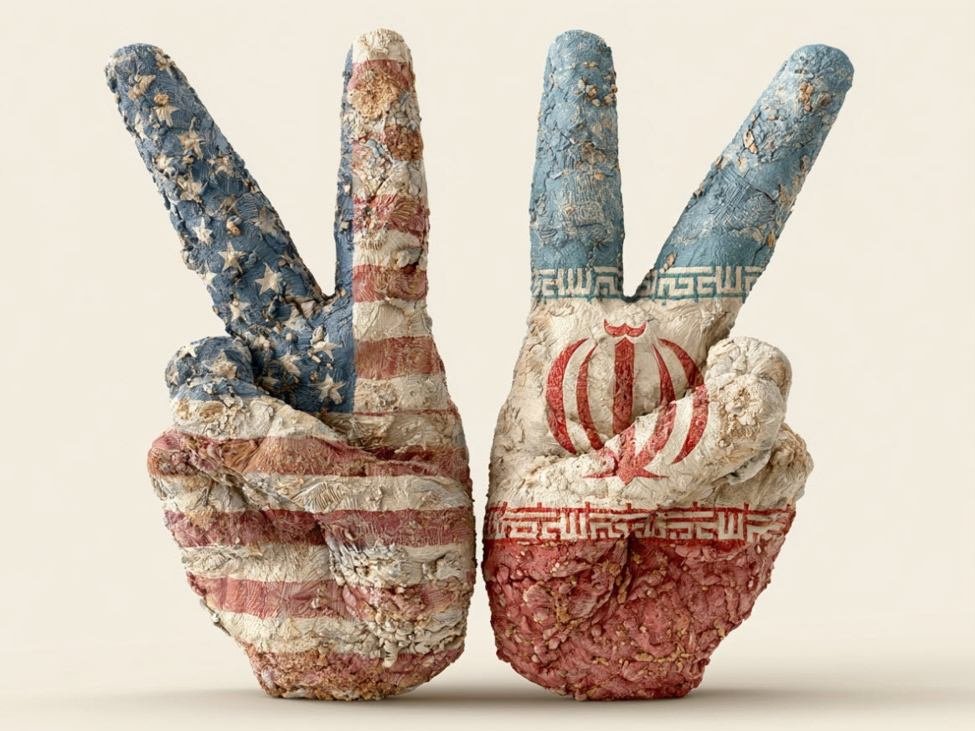
Analysts broadly welcome the US-Iran deal as a positive for risk assets and emerging markets, but warn that inflation relief will be gradual and the durability of the agreement remains unproven.
Summary:
- UBS Global Wealth Management welcomes the deal as a positive for markets but flags Iran’s nuclear and ballistic missile programmes as unresolved issues that could limit its durability
- Analysts expect oil prices to face further downside pressure as oversupply dynamics reassert, with one desk retaining a 12-month price target of $78 per barrel and a six-month conflict-period average forecast of $90
- Rotation out of oil majors including BP and Shell is expected to continue, with both stocks already underperforming since late March as expectations of oil above $150 were progressively trimmed
- Asia’s oil-importing economies, particularly India, Japan and South Korea, are flagged as near-term beneficiaries, with India cited as a specific overweight given its energy reliance and year-to-date underperformance
- A weaker dollar, softer oil and easing inflation are described as among the most constructive macro conditions for emerging markets seen in recent quarters, with potential for central banks in those economies to resume or extend easing cycles
- Precious metals are flagged as a catch-up candidate as market focus shifts from war risk to dollar weakness, lower rates and improving liquidity
Analysts are broadly constructive on the market implications of the US-Iran peace framework, but the consensus is measured rather than celebratory, with most flagging significant uncertainty around the pace of normalisation and the durability of the agreement itself.
The dominant analytical theme is inflation rather than geopolitics. Lower oil prices, if sustained, ease pressure on consumer prices and reduce one of the central constraints on central bank policy globally. That dynamic is viewed as supportive for both equities and bonds, though analysts are careful to note that markets appear to be pricing in a lasting improvement. Any renewed tensions in the Strait of Hormuz could reverse recent moves quickly, particularly in energy markets. Against that backdrop, the FOMC meeting this week is seen by at least one desk as likely to carry more near-term market significance than the geopolitical headline.
The rotation trade is already underway in oil. Analysts note that BP and Shell, despite an initial surge when oil prices spiked at the outset of the conflict, have been losing ground since late March as expectations of crude above $150 were steadily walked back. That rotation away from the war’s perceived beneficiaries and toward peace beneficiaries is expected to continue. One desk retains a 12-month oil price target of $78 per barrel, with a six-month conflict-period average of $90, and sees the current trajectory consistent with a return to an oversupplied market structure.
Emerging markets attract the most consistently positive framing across the analyst commentary. A weaker dollar, lower energy import costs, easing inflation and the prospect of central bank rate cuts in developing economies are described collectively as one of the most constructive macro setups for the asset class in recent quarters. Asia’s oil importers, with India, Japan and South Korea highlighted specifically, stand to benefit from reduced current account pressure and improved domestic financial conditions. India is cited as a particular overweight given its energy dependence and its status as one of the region’s worst performers year to date.
Precious metals, which underperformed during the conflict despite elevated uncertainty, are flagged as a potential catch-up trade as the market narrative shifts from war risk toward dollar weakness and rate dynamics.