Iran’s Foreign Ministry confirmed a breakthrough mechanism for safe vessel transit in the Strait of Hormuz following 18 hours of intensive talks mediated by Qatar and Pakistan, setting the stage for final agreement negotiations.
According to statements from the Iranian Foreign Ministry carried by Tasnim news agency:
-
A formal transit mechanism was successfully arranged to guarantee the safe passage of commercial vessels through the vital Strait of Hormuz waterway.
-
The framework was hammered out during an intense 18-hour session of high-level diplomatic talks held in Switzerland.
-
Mediators Qatar and Pakistan will imminently issue a joint text outlining the general agreements reached during the summit.
-
While the primary negotiating delegations have concluded their session, technical expert teams will remain on-site to advance the groundwork for final pact talks.
Negotiators convening in Switzerland have successfully structured a dedicated operational mechanism to guarantee the safe passage of commercial maritime traffic through the Strait of Hormuz, marking the first concrete breakthrough in multi-front peace efforts. According to statements released by Iran’s Foreign Ministry through the Tasnim news agency, the critical framework was solidified during a grueling 18-hour marathon session involving intensive diplomatic dialogue between Tehran, Washington, and regional intermediaries.
Qatar and Pakistan, acting as the primary mediators for the summit, are slated to imminently publish a formal joint text detailing the broader parameters of the accord, which will serve as the baseline document for all agreements reached during the session. While the core political negotiating delegations have formally concluded their immediate work on the maritime framework, specialized technical teams will stay behind to hammer out the finer logistical details. The Foreign Ministry noted that these discussions have successfully laid the essential groundwork required to initiate broader, comprehensive negotiations aimed at achieving a finalized peace agreement to permanently de-escalate regional tensions.
—
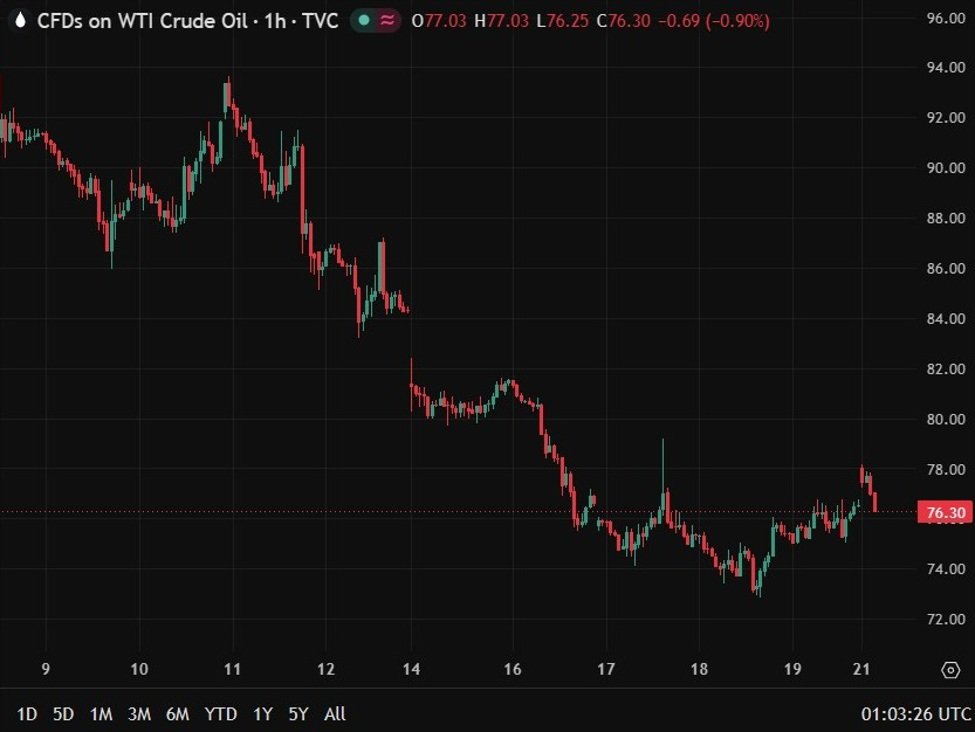
The formalization of a maritime transit mechanism to reopen and secure the Strait of Hormuz will exert immediate downward pressure on global crude benchmarks by significantly reducing the geopolitical risk premium embedded in oil prices since the waterway’s disruption. Tanker operators and commodity traders will view the mediation by Qatar and Pakistan as a structural step toward restoring predictable shipping volumes through a chokepoint that handles a fifth of global petroleum supply. While energy markets will benefit from this immediate relief, equities and freight markets will remain sensitive to the upcoming technical team outputs, waiting to see how quickly insurance risk ratings adjust to the new safe passage protocols.