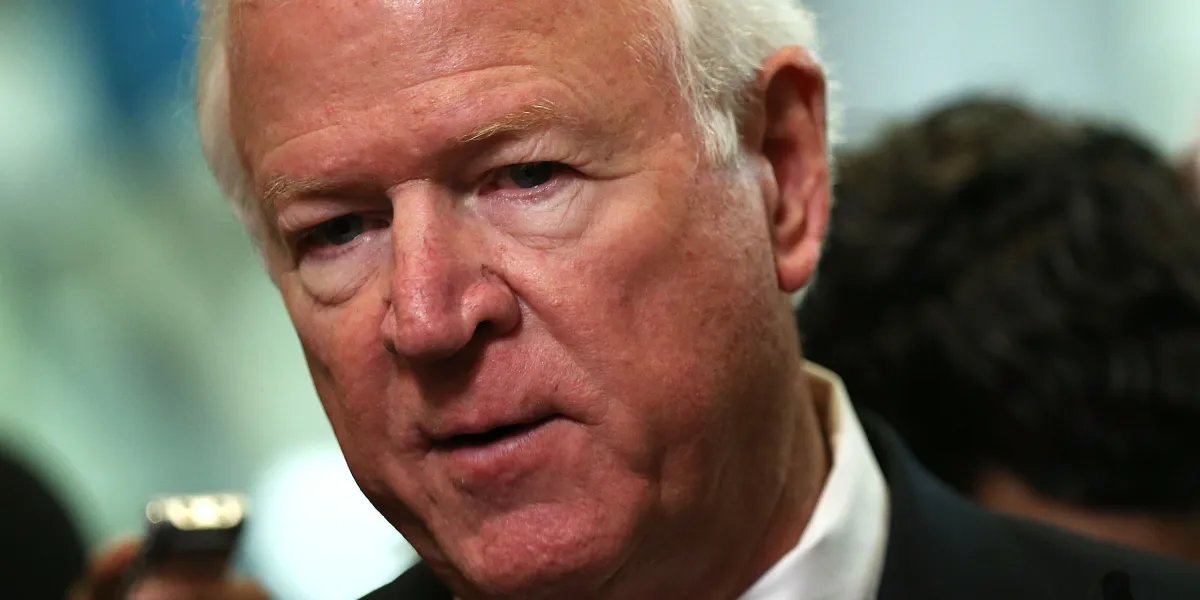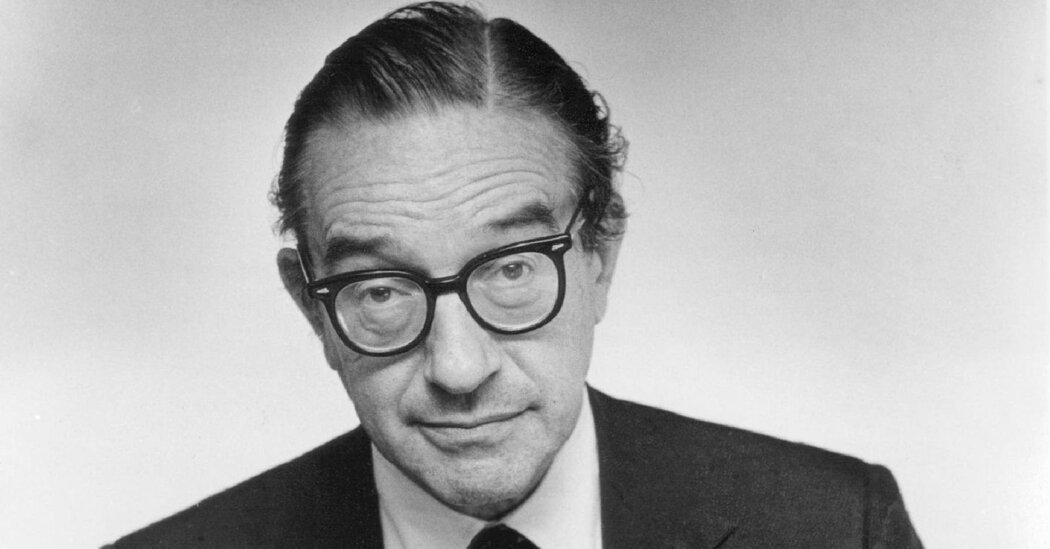
Alan Greenspan, who in nearly two decades as chairman of the Federal Reserve nurtured a long run of prosperity, navigated crises and was a powerful and polarizing force in shaping market-friendly policies, died on Monday at his home in Washington. He was 100.
The cause was complications of Parkinson’s disease, his wife, Andrea Mitchell, the chief Washington correspondent for NBC News, said in a statement.
The pre-eminent economic policymaker of his time and arguably the most recognizable economist of any era, Mr. Greenspan led the central bank under four presidents of both parties from 1987 to 2006.
Much of his tenure coincided with a streak of affluence in which he stood as the embodiment of a triumphant, post-Cold War strain of American capitalism: optimistic, faithful in the power of markets to improve living standards, captivated by the power of technology and averse to regulation.
But the ideological stamp he put on policymaking came to be associated as well with the destructive consequences of forces that emerged on his watch, including deregulation of banking and Wall Street, the loss of American jobs to free trade and persistent concerns about bubbles in stock and housing prices.
Even as Mr. Greenspan skillfully managed interest rates in a way that kept the economy humming along, he remained leery of confronting a danger he well recognized: that the low-inflation, easy-money environment he had helped create was putting the United States at risk by fueling unsustainable investment booms. And he remained reluctant to act as banks and investment firms adopted complex new trading techniques that would come to wreak great damage.
At the Fed, he was remarkably successful at what he considered the central banker’s primary task of holding down inflation. He also helped the United States deal with periodic shocks, including a stock market crash just weeks after he took office, the near-meltdown of Asian financial markets a decade later and the aftereffects of the 2001 terrorist attacks.
Only after he stepped down in early 2006 — and especially following the crisis on Wall Street in 2008, the near-collapse of the mortgage market and the ensuing deep recession — were his legacy and philosophy challenged in a concerted way.
By that point, one group of critics blamed him for not heading off a housing bubble by pushing interest rates higher. Another accused him of promoting a corrosive free-market fundamentalism that left the financial system to operate unchecked as it adopted increasingly risky practices.
After overseeing a period of immense wealth creation, he was often portrayed as among those responsible for the 2008 crisis and the economic and political shocks that followed it.
A full obituary will follow.