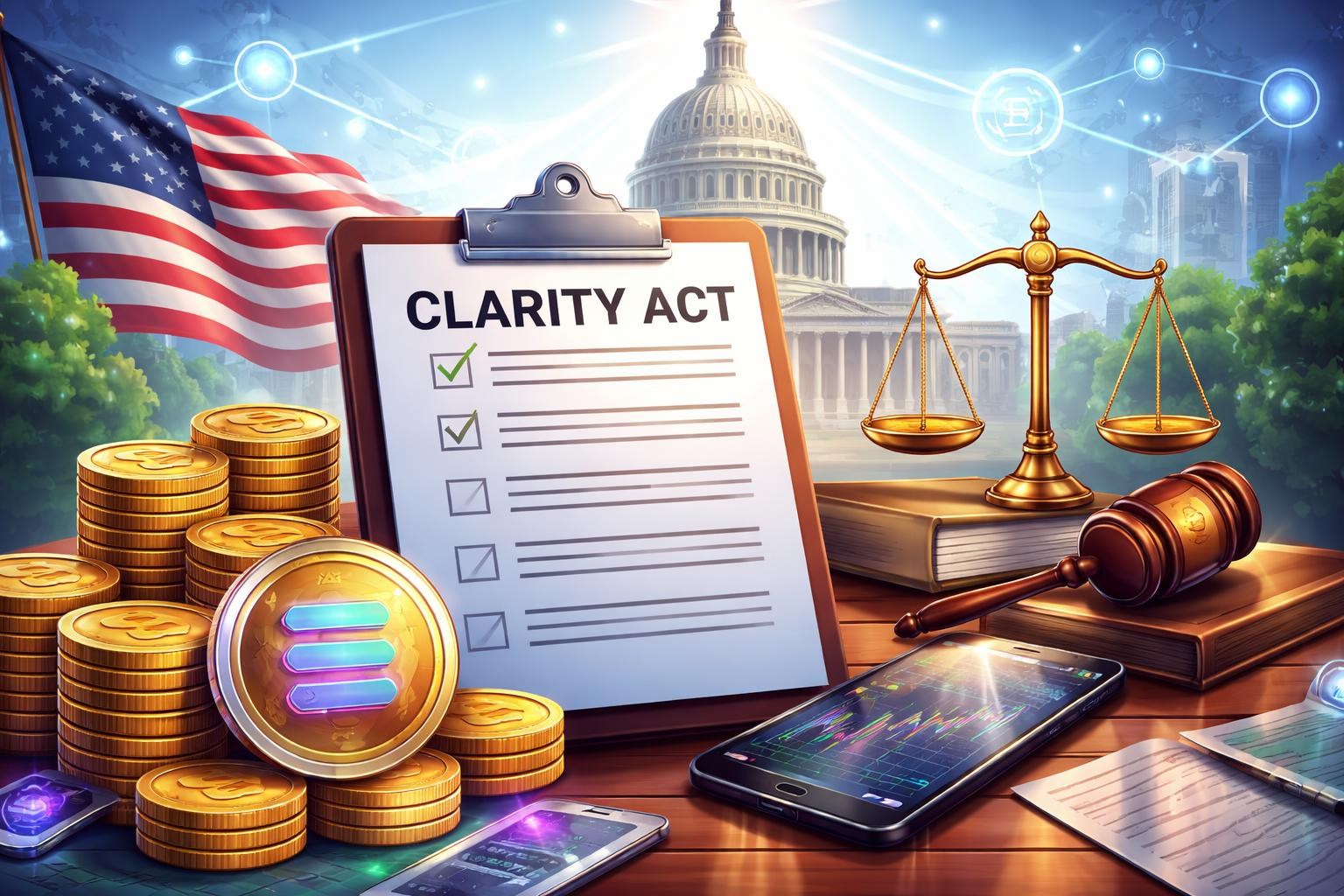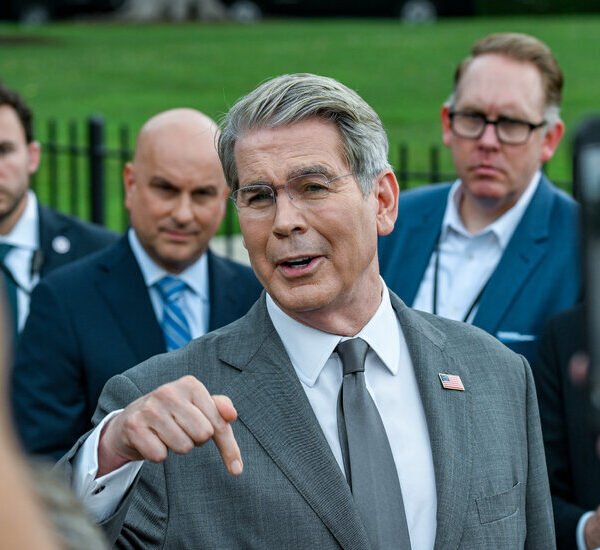
Sens. Kirsten Gillibrand, Chris Murphy, Chris Van Hollen, and Jeff Merkley have collectively conditioned their support for the Digital Asset Market Clarity Act on the inclusion of a crypto ethics provision that would make it illegal for sitting presidents, members of Congress, and their spouses to issue, sponsor, own, or profit from digital assets.
This demand shaped by President Trump’s disclosures showing the crypto sector increased his wealth by about $1.4 billion, with his largest single 2025 income stream coming from issuing the TRUMP memecoin and totaling $636 million.
This is not simply a procedural dispute over bill language. It is a structural confrontation over whether the federal government can credibly regulate an industry from which the sitting president extracted his single largest income stream in the preceding year, with no enforceable restrictions on continued participation.
The Clarity Act is stuck, and the reason tells you everything about how Washington works.
According to Eleanor Terrett, “an ethics agreement is the key to unlocking the rest of the negotiations.” Industry participants say the same thing. “If we can get ethics, the rest of the… pic.twitter.com/kwcoORhLv1
— TFTC (@TFTC21) July 9, 2026
Clarity Act News: The Ethics Provision Impasse and the 60-Vote Problem
The Senate has a 60-vote threshold for Senate passage, which means Republicans are seeking enough votes to clear cloture while Democrats raise leverage over the ethics language. That arithmetic gives the Gillibrand-Murphy bloc leverage, and they are deploying it. A new draft of the bill is expected within days of the July 13 publication date, but sources familiar with the negotiations told CoinDesk it will not contain finalized language on the ethics section or two other contested points.
Senate Majority Leader John Thune has signaled he will push for a floor vote this month regardless, with the Senate having only a few weeks before its summer recess and the legislative calendar tilting toward midterm positioning. That timeline pressure is acute: industry participants expecting regulatory certainty are watching the calendar as closely as the negotiating room.
In a Senate Democrats briefing organized by Murphy last week, ethics and anti-corruption advocates argued the crypto ethics provision must extend to officials’ family members and include both outright ownership bans and enhanced disclosure requirements.
Earlier bipartisan talks had floated a delayed implementation timeline, one that would not immediately disrupt Trump’s existing holdings, and had proposed limiting restrictions to officials rather than their families. Those concessions have since been walked back, and negotiations have hit a wall, per persons briefed on the talks and cited by CoinDesk.

DISCOVER: Best Meme Coins to Buy in 2026
The Gillibrand Position and What the Disclosures Changed
Gillibrand, citing the $636 million TRUMP memecoin figure, stated that she and fellow Senate Democrats have been pushing to make it illegal for presidents to issue or sponsor any digital assets.
Murphy, Van Hollen, and Merkley announced a Capitol Hill press conference this week to state their opposition to the current Clarity Act text. The ethics provision’s absence from the forthcoming draft will precede the bill’s public release.
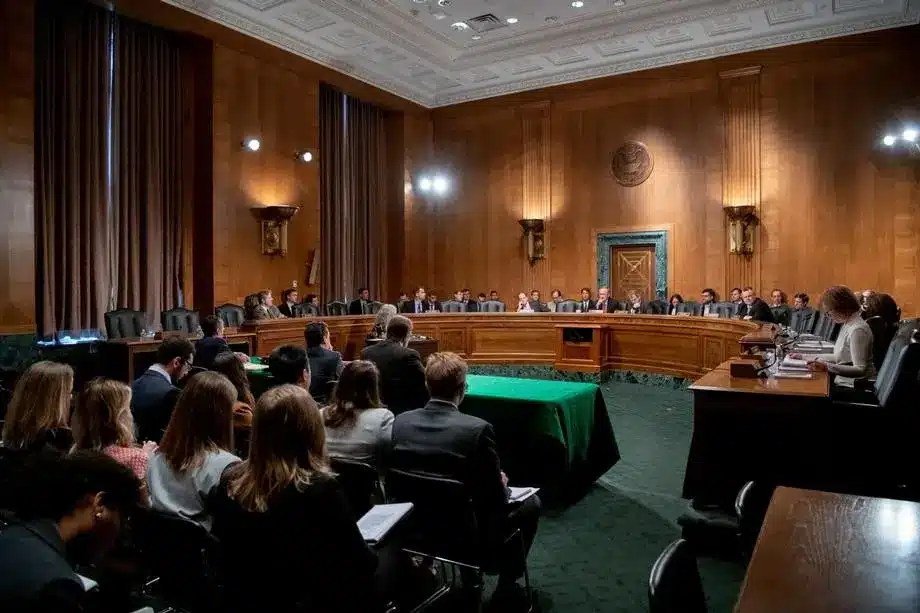
The crypto regulation fight has a committee record to match. In January 2026, the Senate Agriculture Committee voted on an amendment from Sen. Michael Bennet to bar federal officials and their families from issuing or endorsing digital assets, per Reuters.
The Senate Banking Committee advanced the Clarity Act in May 2026, with details reported by Politico, after earlier Democratic ethics amendments were rejected or ruled out of order during the committee markup.
Trump’s Position and the Forward Scenario for Crypto Legislation
Trump has separately stated he will not sign legislation until Congress advances his voter identification bill, yet he publicly called for Clarity Act passage on Monday in honor of the late Sen. Lindsey Graham, who was not involved in the negotiations, suggesting he views crypto legislation as a potential carve-out from that stance.
White House crypto advisor Patrick Witt described this as a critical week for the Clarity Act on social media, noting the timing coincides with the one-year anniversary of the industry’s first major stablecoin policy bill.
Sen. Cynthia Lummis, who leads the Senate Banking Committee’s digital assets subcommittee, added her agreement to the calls for passage. The broader stall in crypto regulation has already delayed major U.S. market expansions by stablecoin and decentralized finance firms awaiting a definitive legal framework.
Whether the ethics language can be resolved before Thune forces a floor vote, or whether Democrats will face a binary choice between blocking the bill entirely or accepting a weaker digital assets ban on officeholder conduct – is the operative question for the week ahead.
EXPLORE: Next Crypto to Explode in Q3
Disclaimer: Coinspeaker is committed to providing unbiased and transparent reporting. This article aims to deliver accurate and timely information but should not be taken as financial or investment advice. Since market conditions can change rapidly, we encourage you to verify information on your own and consult with a professional before making any decisions based on this content.

Neil is a professional cryptocurrency content writer with years of experience. He has written for various cryptocurrency websites to report on breaking news, and been hired by all sorts of cryptocurrency projects, to create content that would increase their exposure and attract more potential investors.