The Dayton agreement ended the Bosnian war. The Bosnian Serb leaders Radovan Karadzic and Ratko Mladic, who had already been indicted on charges of war crimes, were excluded from peace negotiations.
The Dayton agreement ended the fighting, but justice for those most responsible was delayed. Slobodan Milosevic, then the president of the Federal Republic of Yugoslavia and a key participant in the negotiations, was not arrested until almost six years after the agreement. Mr. Karadzic was arrested more than 12 years later, and Mr. Mladic more than 15. That delay contributed to historical revisionism, and allowed ethnic nationalism to gain strength.
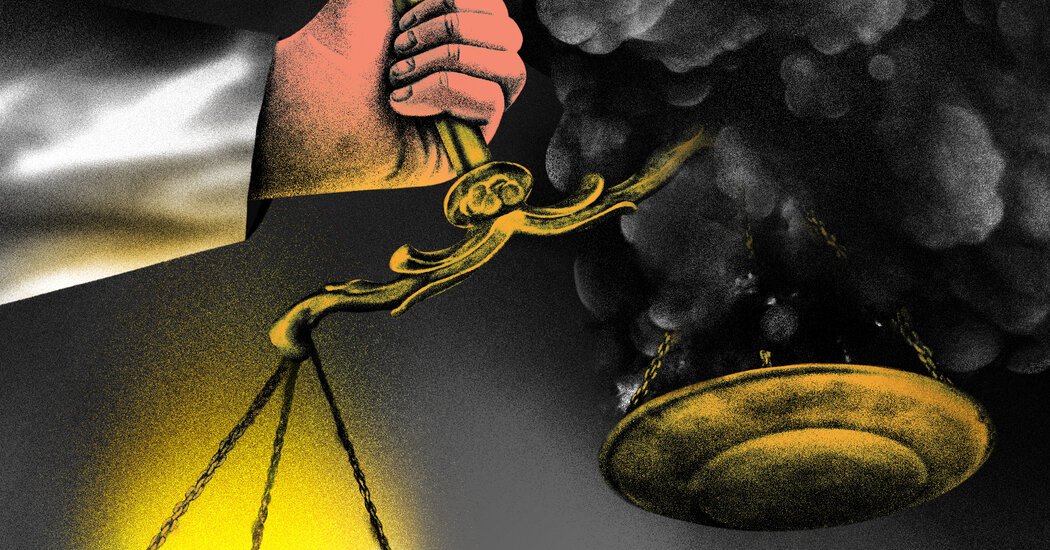
The creation of the Special Tribunal for the Crime of Aggression Against Ukraine required compromises that left none of the participants entirely satisfied. But it exists. Its existence should change the strategic calculation — not just for Mr. Putin, but for every leader in every capital who has watched Ukraine and filed away the lesson that conquest can be cost free.
More than 140 states voted at the United Nations to condemn Russia’s aggression in March 2022, but only thirty-six signed the agreement in May in Moldova. We do not ask that all countries be on the side of Ukraine. We ask them to be on the side of themselves. The international legal architecture that was designed to protect Ukraine from conquest is intended to protect every other state, too. The constraints this tribunal could impose on major-power discretion would not stop at Europe’s borders.
In his opening statement, Robert Jackson, the chief U.S. prosecutor at Nuremberg, told the court: “We must never forget that the record on which we judge these defendants today is the record on which history will judge us tomorrow.” Those who choose to either join or remain outside this tribunal are making their own record — one that will be read by future victims looking for precedent, future aggressors calculating risk and historians explaining to the next generation how the post-1945 international order endured, or didn’t.
Iryna Mudra is the deputy head of the office of the president of Ukraine. Mykola Yurlov is a senior Ukrainian diplomat. Taras Semenyuk is a communications adviser. Mark Ellis is the executive director of the International Bar Association.
The Times is committed to publishing a diversity of letters to the editor. We’d like to hear what you think about this or any of our articles. Here are some tips. And here’s our email: letters@nytimes.com.
Follow the New York Times Opinion section on Facebook, Instagram, TikTok, Bluesky, WhatsApp and Threads.