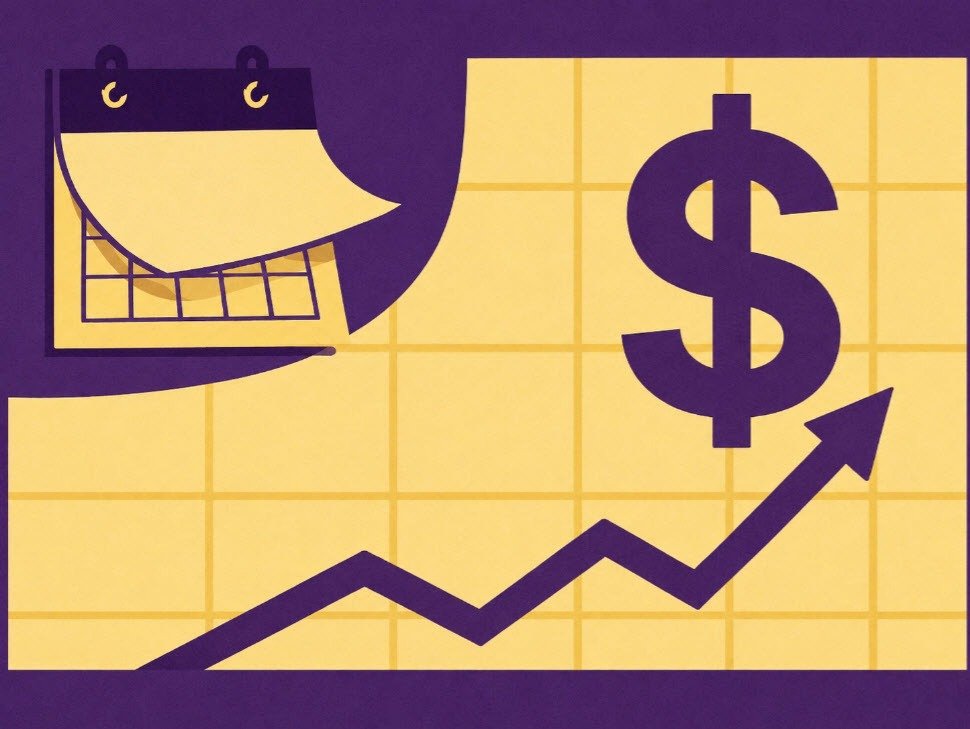
It’s that time of the month again with only two days left in July trading now. As always, the month-end flows may already be slowly playing out but there could still be some added volatility especially when we get to the London fix before all is said and done. And that is what traders have to be prepared for just in case.
Alongside the mix of volatility from other key events this week, it makes for a very messy period in digesting price movements. So if the risk levels are not to your liking, you might be better off waiting until next week for the dust to settle and for more clarity. Sometimes the best trade is to protect your capital and not take unnecessary risks that don’t suit your risk profile/tolerance.
Anyway, back to what to expect this month-end. Credit Agricole points out that we could see some mild dollar buying into the fix this time around:
“Global equity markets were somewhat mixed in July. In FX, the USD was somewhat mixed on the month as well. Overall, the moves in equity markets, when adjusted for market capitalisation and FX performance this month, suggest that month-end portfolio-rebalancing flows are likely to be mild USD buying across the board with the strongest buy signal in the case of the USD vs the CAD.”
Meanwhile, BofA did not single out the dollar as being the stand out based on their model. Instead, they chose to focus on the pound with rebalancing flows set to point towards selling in the currency this month-end:
“We estimate FX rebalancing needs based on a conventional 60/40 portfolio of global equities and bonds. Our estimates point to outperformance of GBP denominated assets over July. This scope for rebalancing out of GBP (-1.5σ) and relatively muted inflows into EM and other DM denominated currencies (ex-JPY).”
As always, these are never set in stone but they just offer some indication of what could transpire. However, just keep in mind that this has to be put together alongside other factors driving market conditions too. In this case, I would argue that the post-Fed reaction, tech selloff, and US-Iran developments are also still notable drivers impacting price action as a whole.