Dr. Abdul El-Sayed spoke by phone with former President Barack Obama on Friday, days after winning the Democratic primary race for Senate in Michigan, according to their representatives.
Mr. Obama and Dr. El-Sayed, who narrowly prevailed in a divisive primary after campaigning on a progressive and anti-establishment platform, discussed unifying the party before the November general election in Michigan, Dr. El-Sayed’s campaign said.
“I’d like to keep private conversations private, but it was a really, really warm conversation,” Dr. El-Sayed said of the call during an appearance on CNN’s “State of the Union” on Sunday morning, adding: “It was just really an honor to get to share a conversation, to hear his advice on the campaign.”
His race against former Representative Mike Rogers, the Republican nominee, could determine control of the Senate.
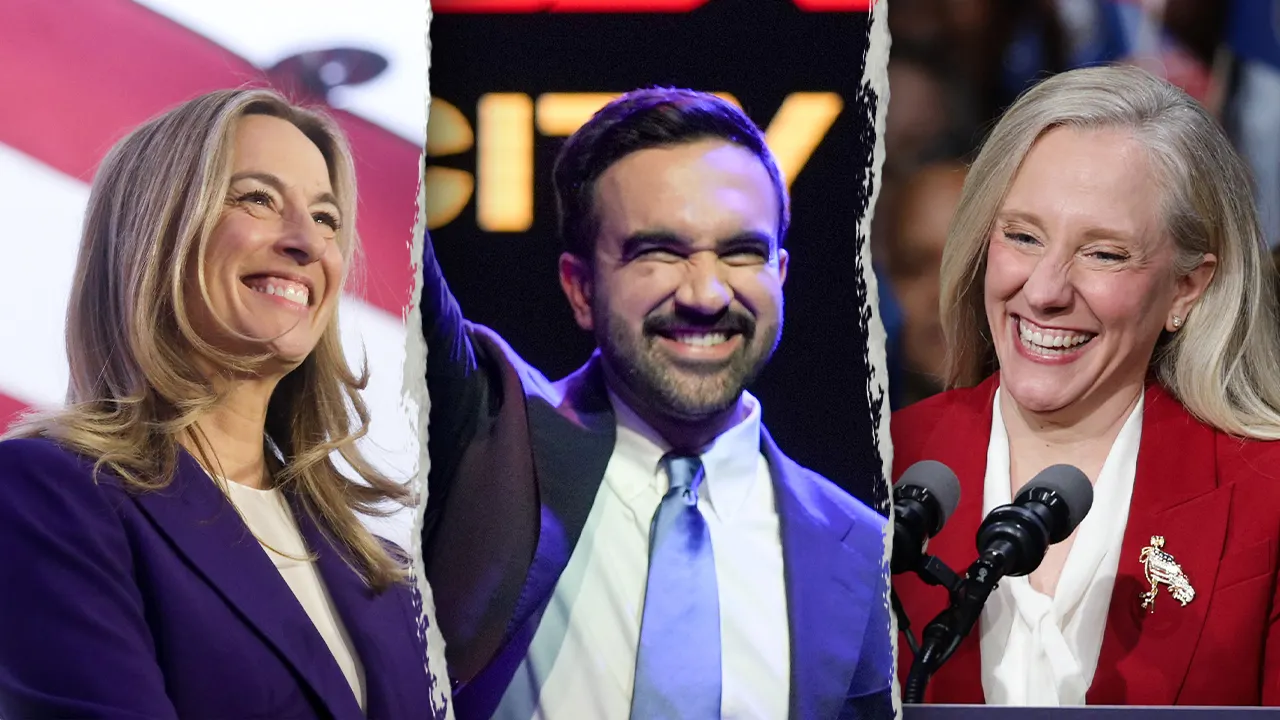
The call with Mr. Obama, who is selective in his outreach to up-and-coming Democrats, was one of many between prominent Democrats and Dr. El-Sayed after he defeated Representative Haley Stevens, a moderate backed by party leaders in Washington.
He has also spoken with Senator Chuck Schumer of New York, the Democratic minority leader; former Vice President Kamala Harris; and Mayor Zohran Mamdani of New York, among others. (Mr. Schumer, who had endorsed Ms. Stevens, said in an interview with The New York Times that he had told Dr. El-Sayed, “I don’t need you to like me, I just need you to win,” an account that Dr. El-Sayed’s campaign confirmed.)
Mr. Obama did not endorse either Dr. El-Sayed or Ms. Stevens in the primary. But allies of Ms. Stevens pointed often to her work leading the Obama administration’s auto task force, and they spent millions running ads that showed him praising her during her 2018 run for the House of Representatives.
Dr. El-Sayed, who ran for governor in 2018 and could become the first Muslim senator if he wins in November, has at times been compared to Mr. Obama over the years. Both men are skilled orators. And both of their fathers immigrated to the United States from Africa. (Mr. Obama’s father came from Kenya, Dr. El-Sayed’s from Egypt.)
On Sunday, Dr. El-Sayed recalled watching Mr. Obama’s speech at the 2004 Democratic National Convention as a college student and seeing politics in a new light.
“I never saw myself in politics until I saw him give that 2004 speech on the DNC floor,” Dr. El-Sayed told CNN host Jake Tapper.
At times, though, Dr. El-Sayed has also pushed back on comparisons to Mr. Obama.
“I’m very thankful for what he was able to change in our politics about who could and couldn’t aspire to leadership,” Dr. El-Sayed told Vox in 2017. But he added that there were “a lot of things I disagree with President Obama on — in terms of both domestic and, certainly, international politics. I’m not him, and I have no intention of being him.”
In his 2020 book “Healing Politics,” Dr. El-Sayed wrote that Mr. Obama’s presidency in part represented “inspiring intentions unfulfilled.”
After the call, though, Dr. El-Sayed did not seem to be dwelling on their disagreements.
“Sometimes,” he said in a statement, “you really should meet your heroes.”
Michael Kruse and Bayliss Wagner contributed reporting.