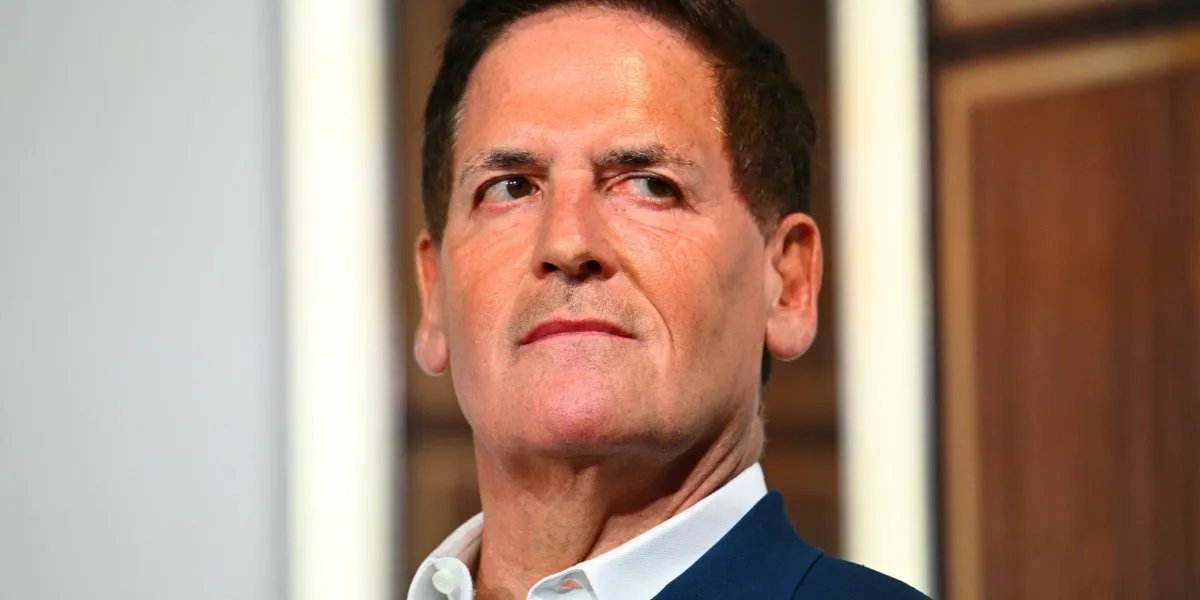
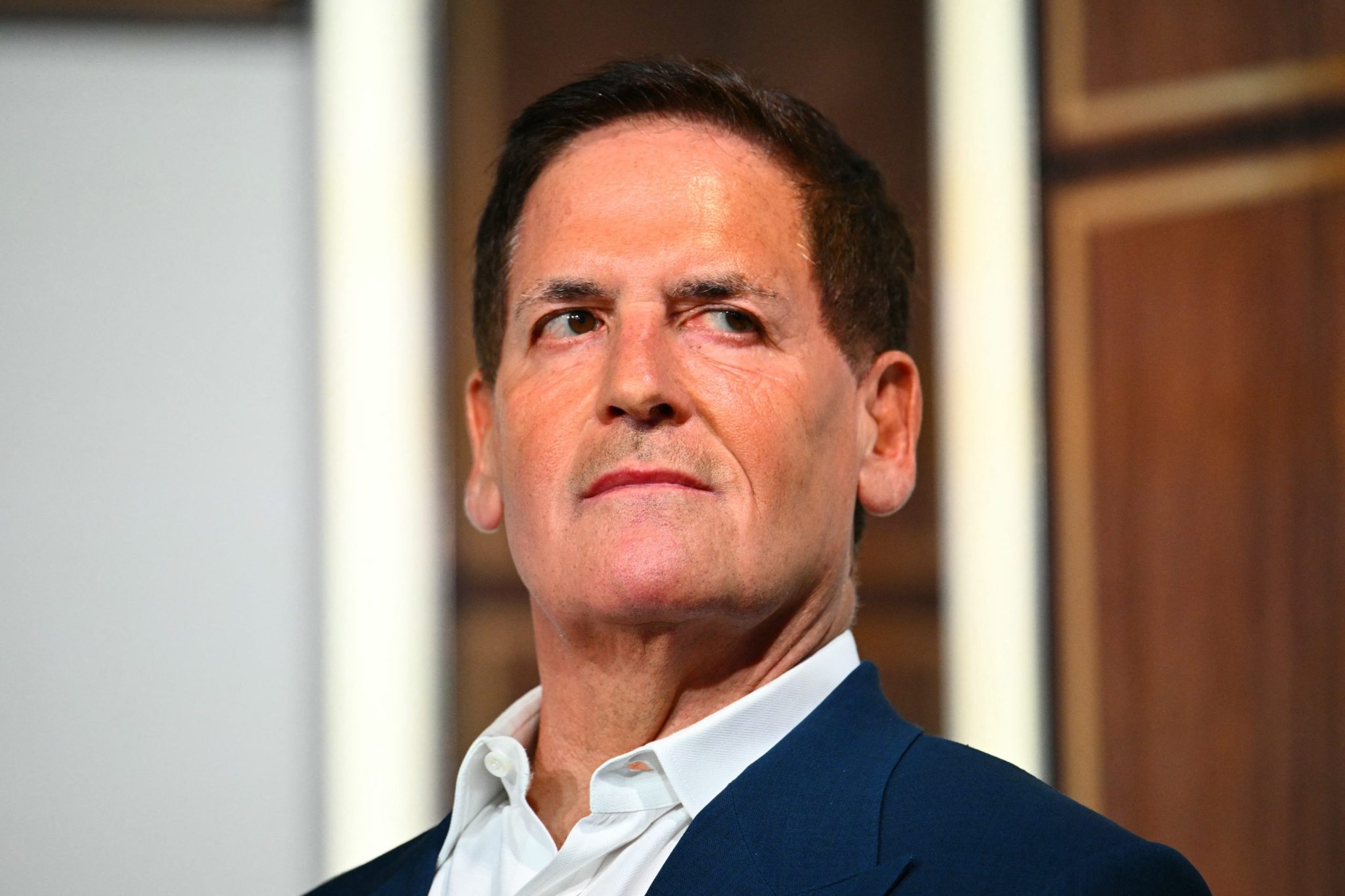
Billionaire entrepreneur Mark Cuban didn’t hold back in a public squabble with Rep. Ro Khanna about the proposed wealth taxes in California—cracking open a feud between one of the wealthiest Democratic Party supporters and the left wing of the party. The two sparred over a proposed wealth tax that would ask the state’s richest residents to hand over billions of dollars to fund healthcare and other public programs.
Cuban, long a self-identified “libertarian-at-heart,” has been more closely affiliated with Democrats in recent years, as a high-profile surrogate for Kamala Harris in the 2024 presidential race and endorsing Hillary Clinton in 2016. However, the born-and-raised Pittsburgh native turned adoptive Texan has always remained staunch on his stance on wealth taxes — against.
Cuban has remained one of the wealthy’s largest advocates against taxes on wealth, specifically on unrealized gains. For instance, in response to a 2021 ProPublica investigation on the ultrawealthy avoiding or lowering their tax liability, Cuban said “it makes for great headlines… but they’re not being honest about the whole thing.”
Over the weekend, Cuban got into it with Khanna as the representative promoted his signature policy, Proposition 40, a ballot measure that would impose a one-time tax of up to 5% on the covered assets of people and trusts with more than $1 billion. The measure is scheduled to go before California voters in November.
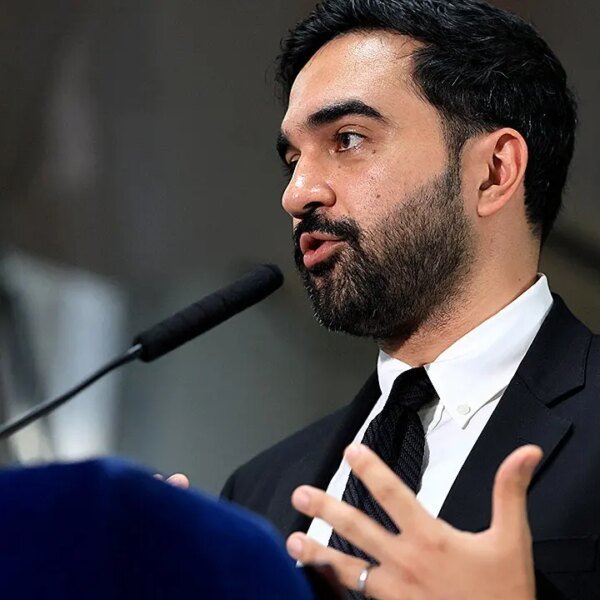
“The California Democratic Party and the California Labor Movement just stood with Bernie Sanders and me in supporting a five percent wealth tax on 250 California billionaires,” Khanna said in a video posted on X. “Passing this ballot initiative will ensure that millions of working-class and middle-class Californians don’t lose their health care.”
But Khanna’s post ignited a seven-part back-and-forth between Cuban and Khanna, turning into a debate over whether California’s billionaire tax will drive entrepreneurs out of the state.
Cuban argued that the proposal misunderstands how startup wealth works. Many entrepreneurs may look like billionaires on paper due to their company valuations, but have relatively little cash available to pay a tax based on their net worth. Cuban warned that imposing the tax would encourage founders and investors to leave California.
“A unique feature of these 10b startups is that even if they raise a billion, little, if any of that money goes to the founders, who are now worth billions of dollars overnight,” wrote Cuban on X. “They are the definition of cash poor, stock rich.”
The issue is particularly relevant in California, which is home to hundreds of billionaires and the headquarters of the venture capital company, where many built their fortunes through technology companies. The state’s Legislative Analyst’s Office notes that billionaire wealth can consist of stocks, businesses and other investments rather than cash, making a wealth tax fundamentally different from an income tax.
Cuban questioned how founders could really come up with potentially hundreds of millions of dollars to pay the tax without selling, taking money out of their growing companies, or even selling stakes.
“How are you going to tax them?” Cuban asked, seemingly hypothetically. “Make them borrow money against their shares, if they can?”
The prominent investor warned that if the measure passes, he himself would avoid investing in California startups completely unless they move out of state. “If this passes, only idiot startup founders stay in Cali,” Cuban wrote. “I’ve done it before and will do it again. Dallas. Pittsburgh. Indiana. I will make NOT being in California a prerequisite for an investment.”
Khanna responded with a proposal under which founders could pledge their shares to the state and receive a government loan to pay the tax. The loan would be non-recourse, meaning the founder would not be liable if the company ultimately fails, and the loan could run for a limited period such as 10 years.
At the end of the loan period, Khanna said, the founder would either repay the loan in cash or the government would assume the pledged shares.
Cuban was unimpressed. “Ro, that’s insane,” he wrote.
This proposal would essentially mean California lending money to founders so the founders can immediately hand that money back to the state, he pointed out. If the founder can’t repay in this scenario, he reasoned, the state could ultimately become a shareholder in a private company, “and I’m sure the investors in those companies will be thrilled about their new partners,” he added sarcastically..
Khanna argued that most billionaires would not face that problem. He said the private founders Cuban was describing represent a narrower category of “true paper billionaires with illiquid assets.” In those cases, he said, the government could benefit if the company succeeds.
“The government would still collect from the vast majority of billionaires who are not illiquid,” Khanna wrote, “72 percent of their wealth is in public stock.”
California’s Proposition 40 is expected to generate tens of billions of dollars over several years, according to the Legislative Analyst’s Office. Ninety percent of the revenue would be dedicated to healthcare, with the remainder going toward food assistance and education-related programs. But this has already caused billionaires to threaten to leave and even fight the proposal. Six total billionaires have already uprooted their status as California residents ahead of the January 1st deadline.
And this is not the first time Khanna had entered a public feud with a notable wealthy figure over the proposal. Palmer Luckey, co-founder of Anduril Industries, entered a similar grudge-match with the congressman on X surrounding the same proposed wealth tax.
Khanna challenged Cuban to consider the issue from the perspective of ordinary Californians, asking the billionaire personality to travel around California, Pennsylvania and other parts of the country with him and ask the Americans what they think about a billionaire tax.
“Most say, I promise you, why only 5 percent?” Khanna wrote.
But Cuban rejects the notion. In a profanity-induced post on X, he wrote “this is the biggest f*** you in the history of entrepreneurship. Ever.” (Fortune has edited his profanity for posterity.)
“There is a huge difference between someone with liquidity, running a huge public company, and someone who has dedicated every minute of who knows how many years, to building a company, to finally have a dream financing come true, only to be insulted by a politician,” he continued. “‘We will sell your shares for you.’ GTFO.”