
The 2026 NASCAR Cup Series regular season ended at Daytona International Speedway on Saturday night, as Ryan Preece won the Coke Zero Sugar 400 to secure the final Chase spot. The race featured 41 lead changes among 22 drivers, only one incident-led caution, and finished under yellow.
The Coke Zero Sugar 400 result also gave NASCAR an early indication of how its new superspeedway package could change racing at Daytona. The package reduced the rear spoiler from seven inches to four inches and cut horsepower from 510 to 465. NASCAR made the changes to reduce drag, improve passing, and make it harder for drivers to save fuel while running in a single-file pack.
Thanks for the submission!
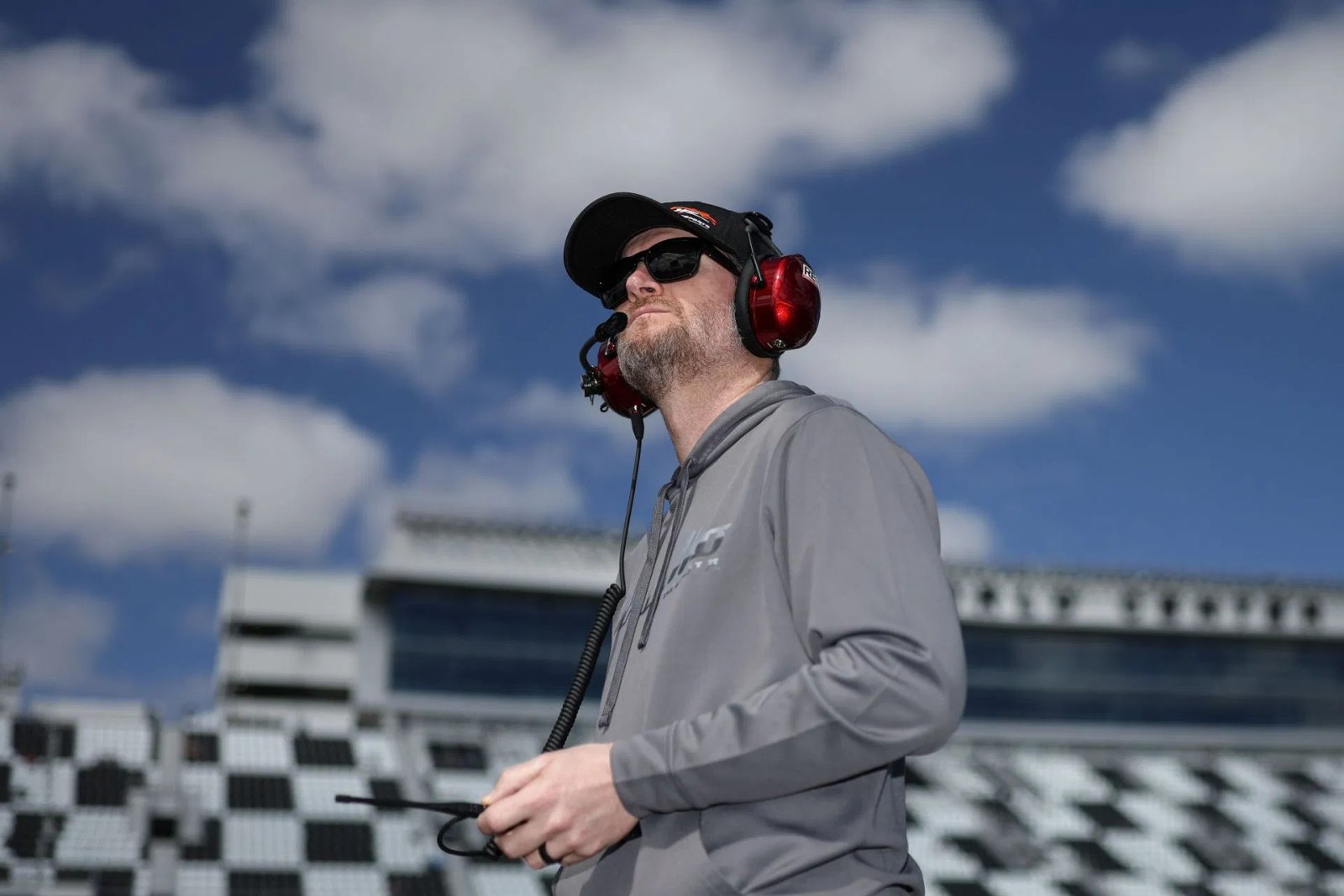
Dale Earnhardt Jr. believed that NASCAR had taken a step in the right direction. Jeff Gluck’s poll asking fans whether it was a good race had almost 80% of respondents voting yes. Earnhardt reposted the poll and wrote on X:
“Best race I’ve seen at Daytona in a while. Directionally, it seemed correct. More to do possibly. But lots of credit to @NASCAR and drivers/teams on the effort to give fans something a bit different. They delivered.”
The Hall of Famer praised the direction of the new package rather than suggesting that NASCAR had solved every problem at Daytona. The shorter spoiler was designed to reduce aerodynamic drag, while the lower horsepower was meant to offset the loss of downforce.
The race did show some changes from the recent Daytona events. Drivers were able to use multiple lanes and make moves through the field, while the leaders were not completely locked into one long train. That was important because recent Daytona races were dominated by long stretches of cars running in a single-file line, with drivers unwilling to use more throttle to conserve fuel.
However, fuel saving remained a major part of the strategy, and the 2026 Coke Zero Sugar 400 still became difficult when drivers moved aggressively between lanes. One fan responding to Earnhardt Jr.’s post pointed directly at that issue:
“No. Fuel saving bullsh*t. Do away with stages. Make the teams have to actually come up with, and execute their own, organic strategies.”
That criticism highlights the biggest problem that remained during the NASCAR Coke Zero Sugar 400. The new package may have improved the ability to race in multiple lanes, but it did not remove the strategic importance of saving fuel. Because of the stage lengths, teams still had reasons to stretch their fuel runs rather than race at full throttle for the entire distance.
Even so, the Coke Zero Sugar 400 looked like an improvement over several recent Daytona races. The field produced three-wide racing for extended periods, allowing drivers to make progress rather than remain stuck in a line. The leaders also made moves without the entire field immediately becoming locked together.
Drivers give their verdict on the NASCAR Coke Zero Sugar 400 package
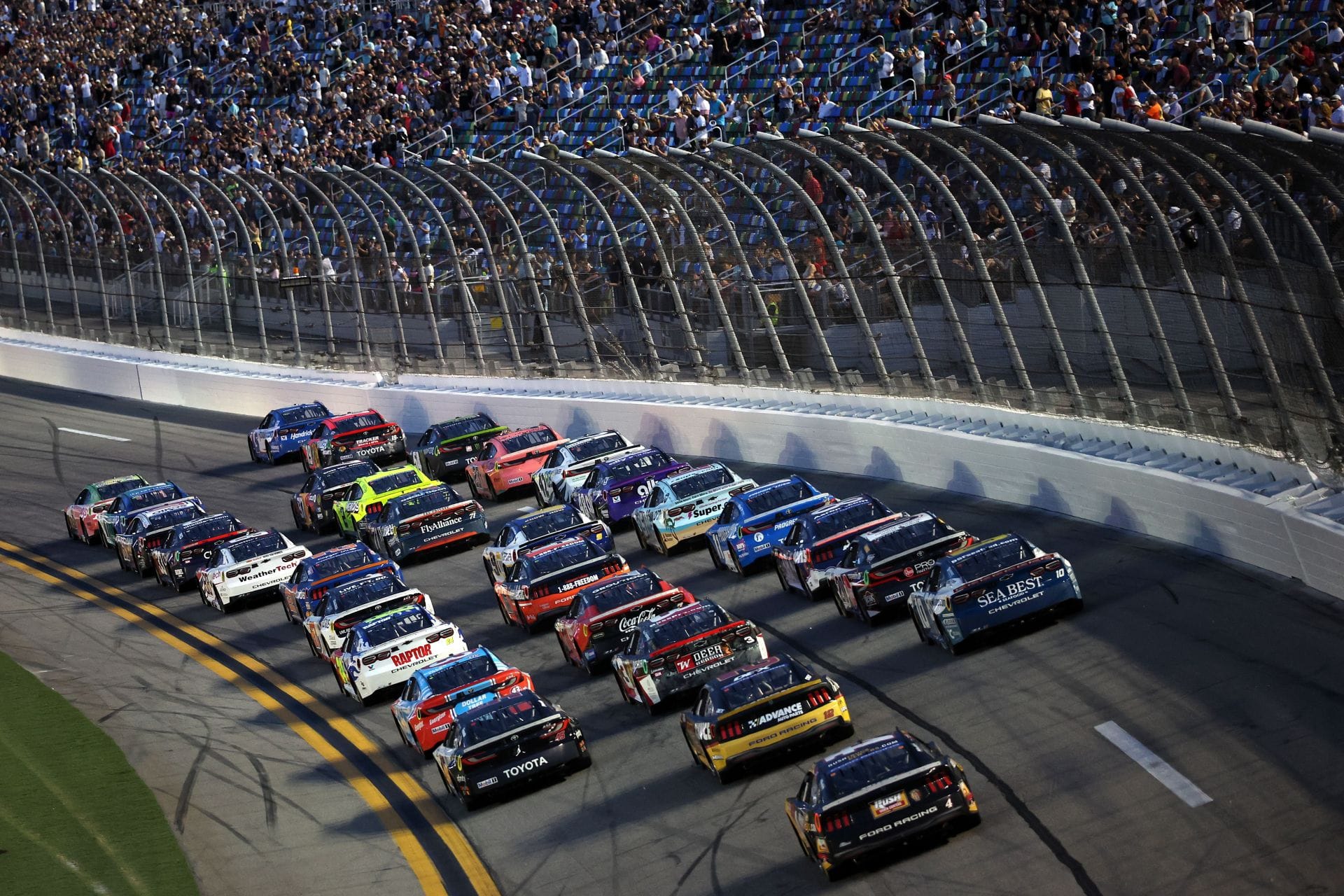
For several years, Daytona racing with the Next Gen car had developed a familiar pattern. Drivers often ran at partial throttle for long stretches while saving fuel, and passing was extremely difficult because the cars produced too much drag. A driver could make a move, but getting through the pack was harder than staying in line.
The first race under the new package showed it could produce more movement, although the drivers were divided over how much of an improvement it actually represented. Denny Hamlin viewed the Coke Zero Sugar 400 positively.
“I didn’t think it was quite as log jammed as what it was in the past. If you wanted to get to the front I felt like you could. Just the way the stages worked out was interesting. In stage 2 and 3 fuel saving came into play,” he told Frontstretch.com. “I was overall happy with the changes that NASCAR made and hopefully this is the direction we go.”
Joey Logano had a similar but more cautious assessment. He said the cars did handle differently, but the change was not as significant as many had expected:
“It wasn’t as different as I thought it would be. Handling came in a little bit but not as much as I think everyone was hoping for.”
Chase Briscoe and Ryan Preece also liked the new package. Brad Keselowski, however, offered a very different opinion after the Coke Zero Sugar 400. The RFK Racing driver said he could barely feel a difference in how his car behaved:
“Honestly, I could not tell a difference. I couldn’t tell they changed the rules at all. My car drove almost identical to what it did. I was really shocked by that.”
Christopher Bell echoed those feelings, saying the Coke Zero Sugar 400 did not produce the transformation he expected. Erik Jones went even further after his crash, arguing that the changes had created an unintended consequence by making fuel saving more important. The next test for NASCAR will come at Talladega Superspeedway on October 25.
Edited by Anurup Chakraborty