In the years after Roe, women flooded into colleges and the work force. Millions were able to do what they wanted with their lives. They became doctors and lawyers, artists and entrepreneurs, dedicated mothers, aunties and friends. Some became famous for their accomplishments, but most were regular women — you see them at the grocery store, at church, at work, maybe in the mirror every day — whose lives were made better because they were able to choose their own paths. They married for love or loved staying single, cared better for the children they had and chose to have more when they were ready, left abusive relationships, made their own money, made their own mistakes, made their way.
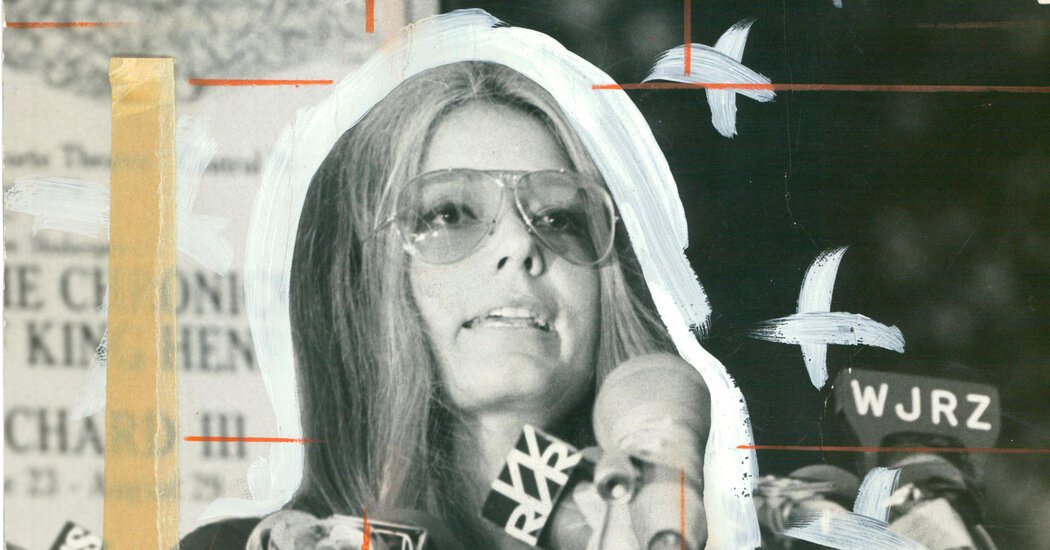
This should have been Ms. Steinem’s legacy. But we all know what happened as Roe hit middle age.
Today, abortion is banned entirely, or almost entirely, in 17 states. In such states, women have died of preventable pregnancy-related causes; others have not received adequate treatment and wound up hemorrhaging, getting deadly infections or losing their reproductive organs. After Texas banned abortion, rates of sepsis among women hospitalized for miscarrying in their second trimester shot up by more than 50 percent.
These are the statistics it’s possible to know. (Many anti-abortion states are doing little or even refusing to track the damage their bans have caused.) More insidious is the damage to women’s lives that doesn’t show up in these numbers. What happens when women can’t do what we want with our bodies — and, by extension, our lives?
We have a sense of that, thanks to a study that compared women who were turned away from getting an abortion with those who were able to get the procedure. It found that women who are refused abortions are more likely to be reliant on public assistance, to be poorer, to remain tied to abusive partners and to face life-threatening complications. It also found that all their children — most women in the United States who have abortions are already mothers — end up worse off.
Maybe early 20s Gloria Steinem would still have become the feminist trailblazer Gloria Steinem had she married her college boyfriend and had a baby. She also may have joined the millions of women whose dreams were deferred or defeated by our patriarchal society. Ms. Steinem came to the feminist movement first as a journalist covering an event in New York, in which women talked about their illegal abortions and demanded the right to choose what they did with their bodies. Had Ms. Steinem not had an abortion herself, would she have been in that room? Would she have so viscerally related to the feminists’ cause?