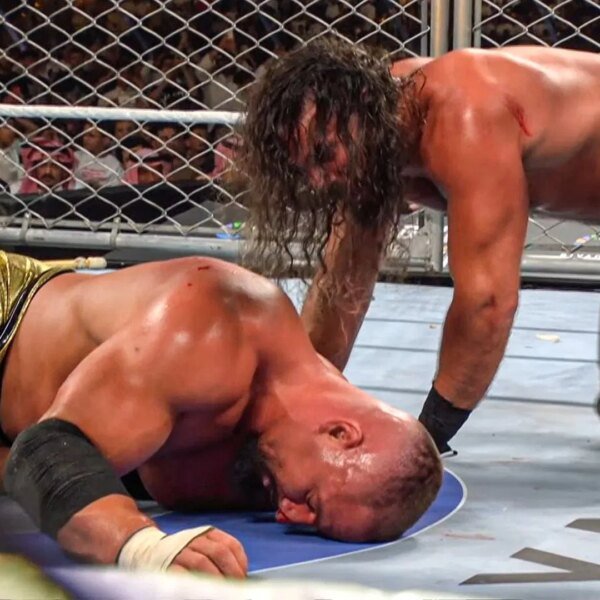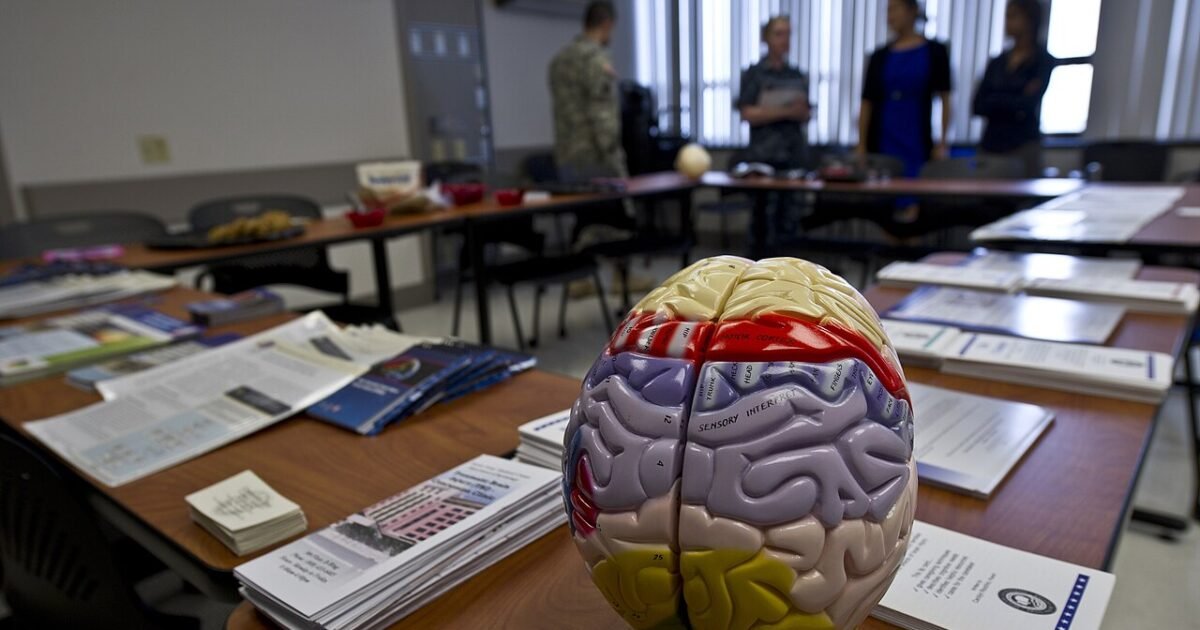
Recent research has revealed a concerning frequency of brain disease among former NFL players, which has, for one military advocate, heightened concerns about brain injuries in service members and veterans.
Last week, the New York Times reported the findings of a major study published by The BMJ. At least 24.5 percent of 338 former NFL players who died between 2016 and 2021 had Chronic Traumatic Encephalopathy (CTE) pathology at death.
CTE is a degenerative brain condition often linked to repeated head injuries, including concussions and frequent sub-concussive impacts. Because CTE can only be definitively diagnosed through post-mortem examination of brain tissue, researchers face limitations in assessing its prevalence among living individuals.
However, the study’s findings offer updated estimates on the occurrence of this degenerative brain condition within the NFL, highlighting that it is significantly more prevalent than in the general population.
While CTE is a progressive neurodegenerative disease caused by repeated head traumas, Traumatic Brain Injury (TBI) is an acute physical injury to the brain. One or more TBIs can lead to CTE.
This distinction is particularly relevant in military contexts, according to Dr. (Ph.D.) Robert Beckman, co-founder and executive director of TreatNOW.org. The organization has effectively utilized Hyperbaric Oxygen Therapy (HBOT) in over 33,000 cases for the treatment of Post Traumatic Stress Disorder (PTSD), TBIs, and concussions.
Service members are frequently exposed to explosive blasts and other high-impact incidents, leading to a concerning incidence of TBIs among veterans “needs to be in the headlines,” Beckman told The Gateway Pundit, adding that “163,000 veteran suicides since 9/11 is an epidemic, and is directly linked to brain wounds.”
Unlike CTE, which develops over time, he said, TBIs can have immediate and severe consequences, underscoring the critical need for awareness and intervention in both sports and military environments.
The records of the Department of Veteran Affairs (VA) indicate that 556,502 veterans have either been diagnosed with or screened positive for a TBI from 2001 through 2025. “However,” Beckman noted, “this figure probably underrepresents the actual number, as it only accounts for veterans who sought care through the VA and does not include cases misdiagnosed as PTSD or those that were never diagnosed, estimating the number at 877,450.”
Beckman emphasized the complexity of mental health issues among veterans, highlighting that many with TBI also exhibit symptoms of PTSD, often leading to confusion in diagnosis.
As of August 2026, he pointed out that the VA has invested over $23 million in a 20-trial psychedelics portfolio, along with an additional $50 million in federal funding dedicated to ibogaine research. The DoD has allocated tens of millions more for related projects.
“Beginning in December 2024, the VA ramped up its research efforts into psychedelics, hallucinogens, and plant-based medicines, including MDMA, psilocybin, ibogaine, cannabis, and even GLP-1s,” Beckman shared. “Since 2021, total federal funding specifically earmarked for psychedelics by the U.S. government amounts to between $95 million and $100 million.”
For Beckman, while he desires that service members and veterans receive suitable care, it raises the question: “Is merely altering consciousness an appropriate form of treatment?” He argued, “Degeneration persists, because no scientific research has shown that psychedelics repair the damage to the brain.”
Beckman asserted that HBOT, his area of specialization, has proven to be both safe and effective for healing brain wounds. “Over 12,500 veterans have greatly improved their lives through brain injury recovery using HBOT,” Beckman shared. What’s more, he said, “For the last twenty years, more than 180 TreatNOW Coalition clinics have been effectively treating veterans with protocols that have been shown to be both safe and effective in 28 peer-reviewed clinical studies.”
“HBOT is available right now,” Beckman stressed, questioning why so little effort is being directed towards utilizing a verified treatment.
The urgent need for effective treatment options for veterans suffering from TBIs and associated mental health issues cannot be overstated. As Dr. Beckman highlighted, while innovative approaches like psychedelics are gaining attention, the proven efficacy of therapies such as HBOT should not be overlooked.
“The health and well-being of those who have served our nation depend on a commitment to evidence-based solutions that genuinely address their needs,” Beckman concluded.
Ad block users: Some site features may not work correctly while an ad blocker is enabled, because they break scripts and content this website depends on. If you can’t see comments below, for example, please disable your ad blocker.