Good morning. Volkswagen has topped the Fortune 500 Europe for a third straight year, even as the auto industry it leads gets squeezed by tariffs and Chinese competition. The automaker’s revenue still climbed 3.4%, to more than $363 billion, in the fourth edition of Fortune’s ranking of Europe’s largest companies by revenue.
The combined revenues of the companies on the list hit a record high of $15.5 trillion this year. Profits rose 3% to just over $1 trillion, rebounding from a 5% decline in 2025.
Across the Fortune 500 Europe, margins have narrowed for two years running, falling to 6.5% from a high of 7.1% on the 2024 list—despite record revenue and profit growth. That’s consistent with stagflation pressures weighing on Europe’s corporate sector, Guido Cozzi, a macroeconomics professor at the University of St. Gallen, told Fortune’s Sam Birchall.
Three sectors generate over half of all revenue on the list: financials (24%), energy (20%), and motor vehicles and parts (10%). Finance remains Europe’s most dominant sector by revenue, profit, and headcount. A total of 105 finance companies earned a spot in the rankings, together generating 24% of the list’s total revenue, with Banco Santander (No. 9) and BNP Paribas (No. 10) in the top 10.
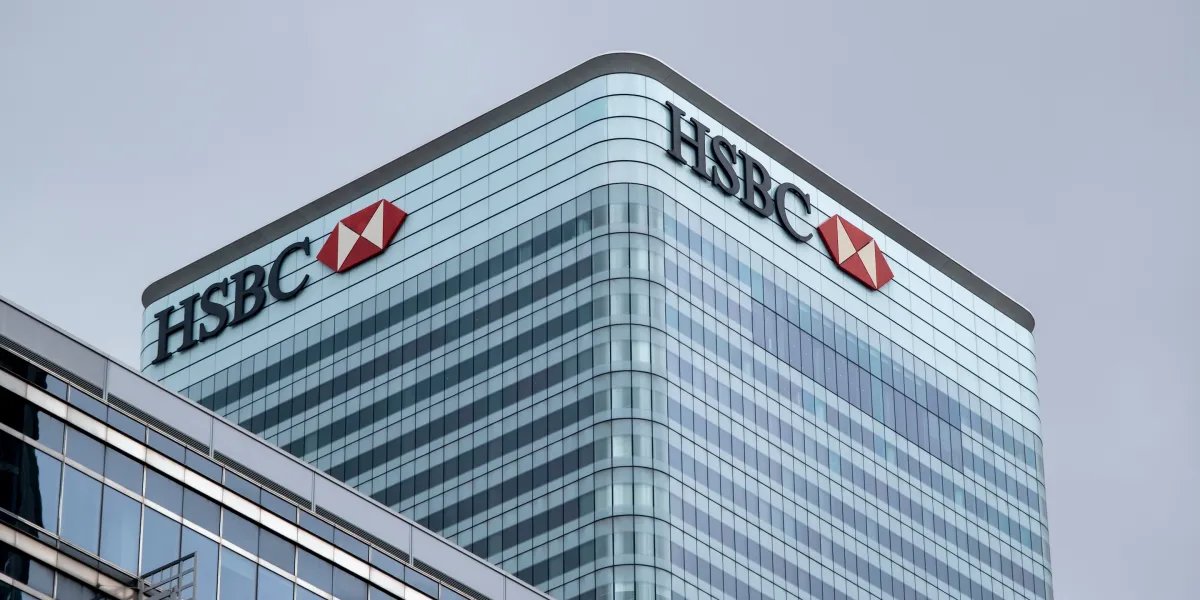
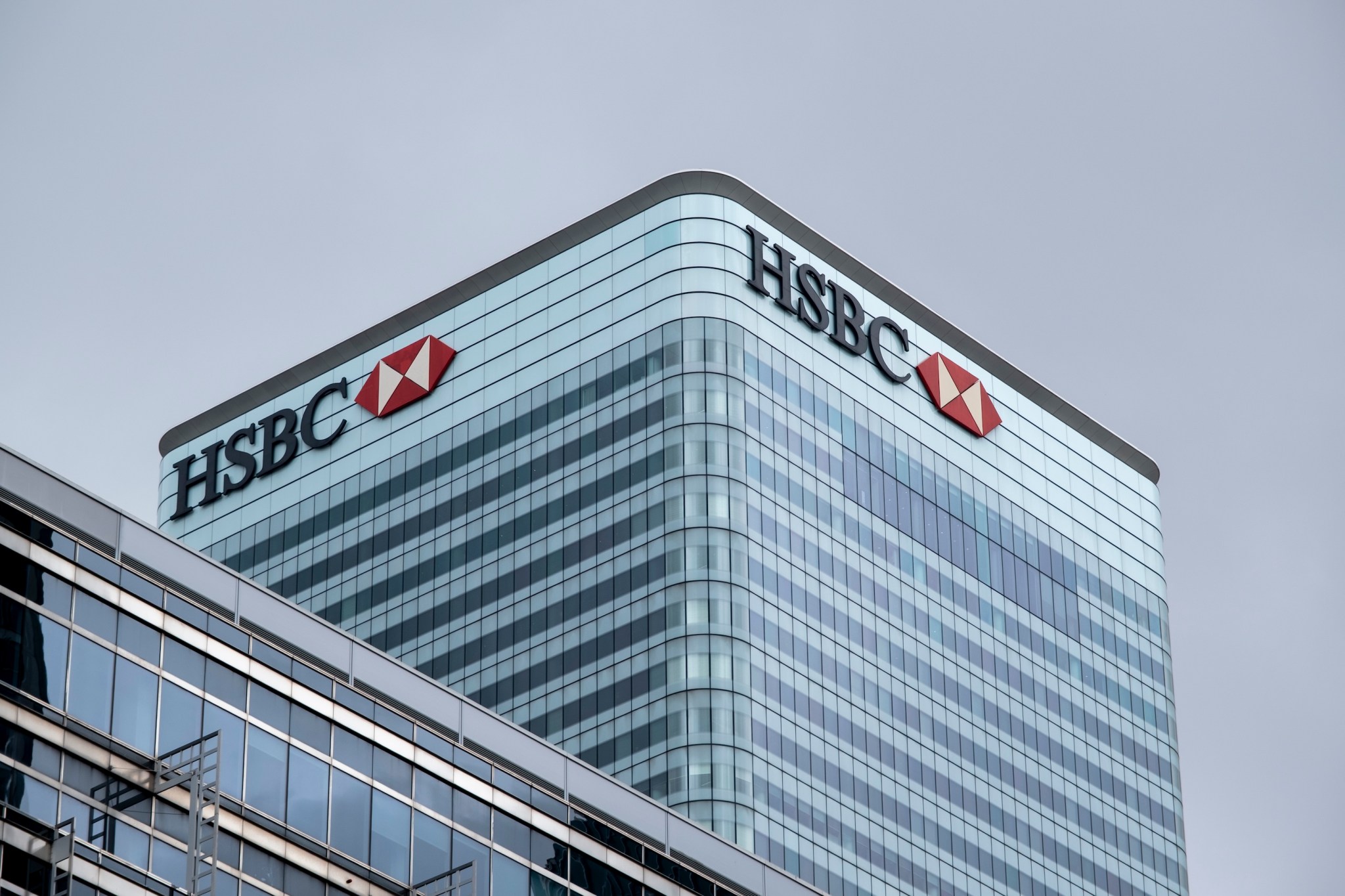
Financial companies also account for 40% of the list’s profit and employ 14% of its workforce. HSBC (No. 11) is the most profitable company on the list, recording $22 billion in profits for 2025 and one of only 25 companies to generate more than $10 billion in profits.
Europe’s finance-sector prominence stems from its biggest banks’ global reach and technical sophistication, Howard Yu, a professor at IMD Business School, told Birchall. Their decades-long presence in emerging markets gives them a depth few global rivals can match, he argues, calling it “a genuine strategic edge.”
Energy companies generate 14% of the list’s overall profit, and the sector ranks second to financials in employment. Another notable finding: BP is the only top-10 company with a woman CEO, Meg O’Neill. She’s also No.16 on this year’s Fortune Most Powerful Women (MPW) list. When O’Neill took over as CEO on April 1, she became the first woman to lead one of the five major oil companies.
BP is also the only one of its peers with women in both the CEO and CFO roles. Kate Thomson became BP’s finance chief in February 2024 after serving as interim CFO, making her the first woman to hold the role at the company. At Shell, No. 2 on the Fortune 500 Europe list, Sinead Gorman has served as CFO since April 2022. Gorman also earned a spot on this year’s MPW list.
Sheryl Estrada
Sheryl.Estrada@fortune.com
Leaderboard
Jamie Anderson has been promoted to president of First Financial Bancorp. (Nasdaq: FFBC) and First Financial Bank, effective immediately, while retaining his title of CFO Anderson, who has more than 26 years of banking experience and previously served as CFO of MainSource Financial Group, will now oversee the bank’s operational management and financial performance in addition to his finance duties.
Steve Delahunt, currently VP and corporate treasurer at Cabot Corporation (NYSE: CBT), has been named interim CFO, effective Oct. 1. He steps in as Erica McLaughlin, currently EVP, CFO, and head of corporate strategy, ascends to president and CEO, succeeding Sean Keohane. Cabot is conducting a search for its next permanent CFO. Delahunt brings more than 30 years of finance and treasury experience, including nine years leading Cabot’s investor relations function through January 2026.
Big Deal
A new EY survey of 202 senior AI executives at billion-dollar-revenue companies finds that autonomous AI deployment is outrunning governance controls, creating what EY calls an “AI governance gap.”
While 98% of respondents say their organizations have formal AI governance policies, 47% admit they’ve bypassed those processes for urgent deployments, and roughly two-thirds cite a lack of internal expertise to design, implement, or evolve governance controls.
The gap is most acute with agentic AI: 91% of organizations are piloting or deploying it, yet 49% haven’t updated governance frameworks to address it. Meanwhile, 85% report systems that act without real-time human oversight, and 26% can’t even detect unauthorized AI agents running internally.
However, EY notes that companies conducting formal AI assurance reviews are catching problems, with 64% modifying a quarter or more of their AI systems and 25% fully halting at least a quarter of them after review.
Going deeper
The Fed is widely expected to raise interest rates by 0.25 percentage points at today’s announcement, bringing its target federal-funds rate range to 3.75%–4.00%. Friday’s U.S. consumer price index report showed inflation running at 3.4% year over year, still above the Federal Reserve’s 2% target. The CME FedWatch futures market was pricing in roughly a 90%+ probability of a quarter-point hike ahead of the decision.
Overheard
“Community banks begin with an advantage that technology companies must spend heavily to acquire: trust.”
—John D’Agostino, head of strategy at Coinbase Institutional, and Chris B. Kennedy, managing director of strategic technology and AI at Regions Bank, write in a Fortune opinion piece that banks should compete on technology, not fear it.