The Trump administration declined to support a nonbinding UN declaration on pandemic prevention, preparedness and response at a September 25 meeting during the General Assembly’s 81st session in New York.
Mandated by resolution 79/333, the meeting reviewed progress on a pandemic preparedness declaration adopted in 2023. Its theme called for a multilateral approach guided by “equity and solidarity.”
According to Health Policy Watch, the U.S. representative said the United States could not support the new text because of “divisive ideologies that lack definitional consensus” and references to unfinished negotiations on pathogen access and benefit sharing.
The U.S. statement said the country remained ready to work with partners to strengthen preparedness and “stop dangerous outbreaks at their source.”
The proposed pathogen access and benefit sharing arrangement would have countries share virus samples in exchange for access to tests, medicines and vaccines. It remains under negotiation as a follow-up to the WHO Pandemic Agreement, which WHO member states adopted in 2025. The United States did not take part in finalizing that agreement.
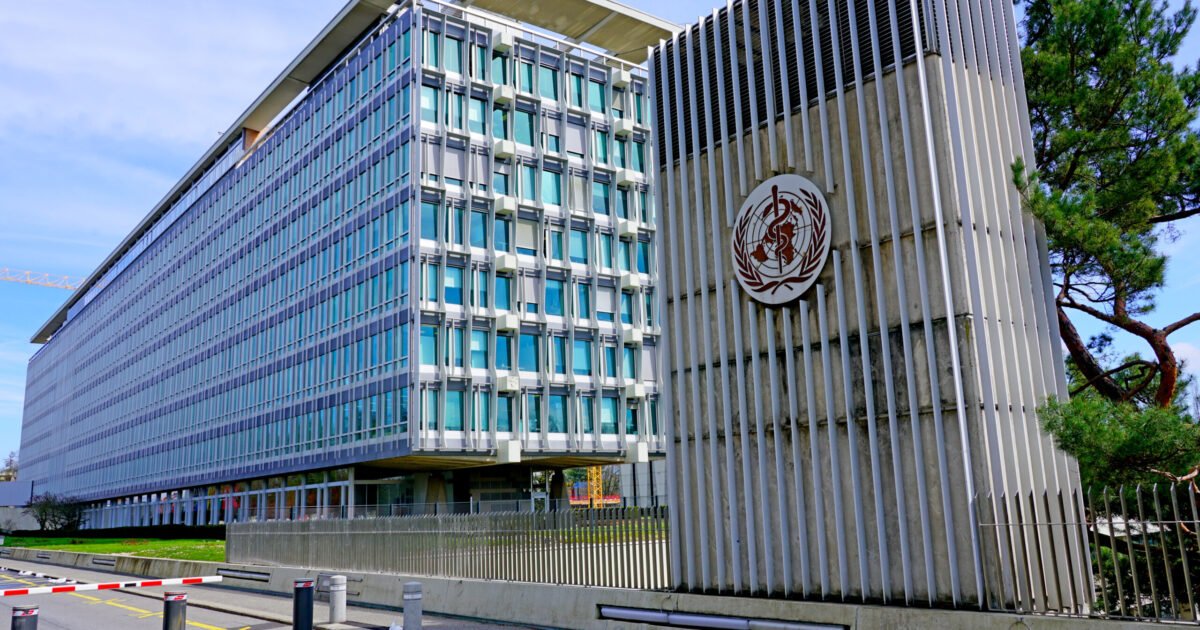
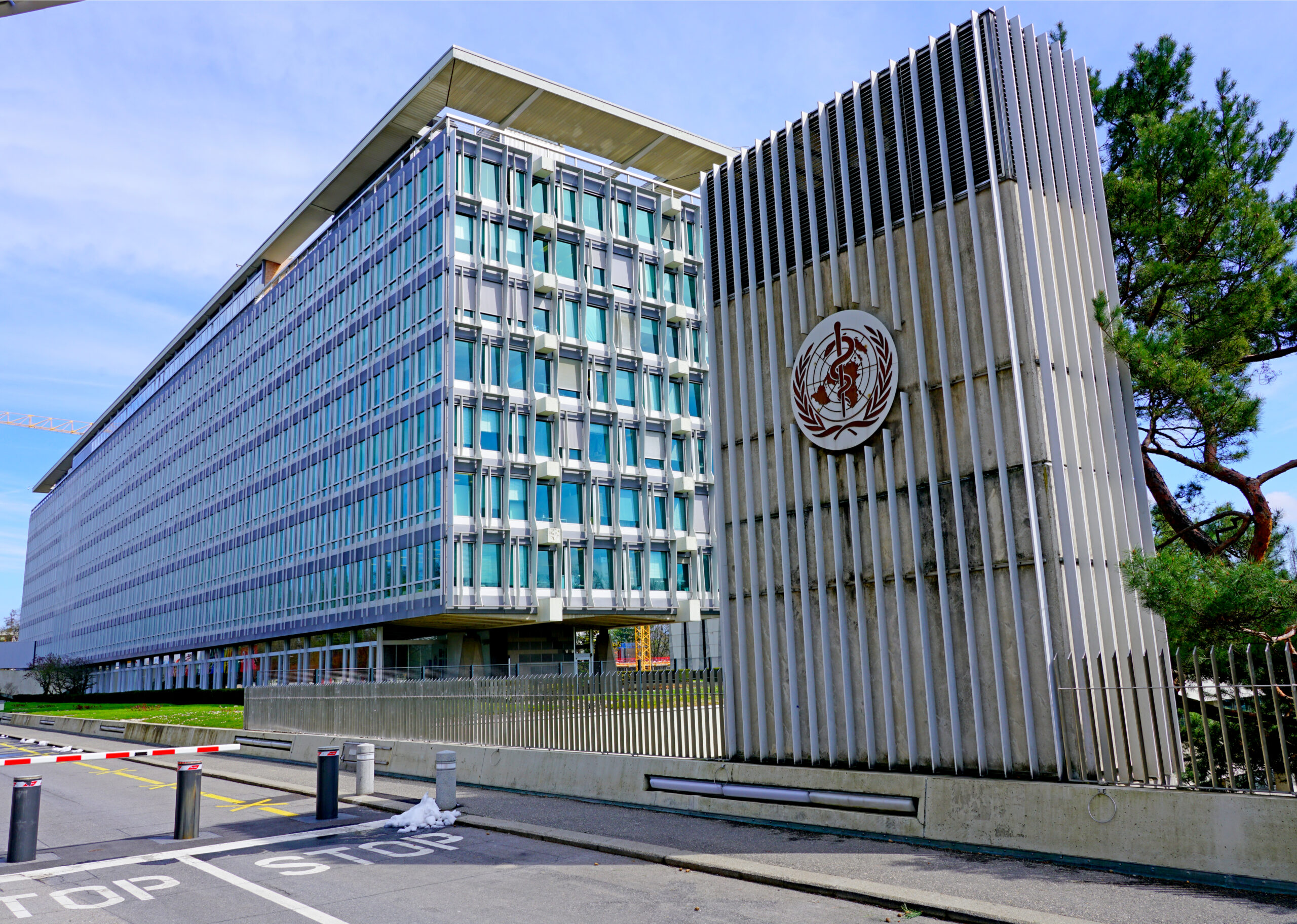
The U.S. position at the UN follows actions the Trump administration has taken regarding the WHO since January 2025. On January 20, 2025, Trump signed Executive Order 14155, beginning the U.S. withdrawal from the WHO. The order cited the WHO’s “mishandling of the COVID-19 pandemic,” failure to adopt reforms, and inability to remain independent of political influence from member states.
It also said the WHO demanded payments from the United States far out of proportion to those of other countries. WHO figures show the United States contributed $1.284 billion in the 2022–2023 budget period, more than any other donor. According to the Congressional Research Service, the United States was assessed 22 percent of the WHO’s core budget for 2020–2021, compared with 12 percent for China.
Section 4 of Trump’s executive order directed the Secretary of State to end U.S. negotiations on the WHO Pandemic Agreement and amendments to the International Health Regulations. The order also stated that actions taken to implement either would not be binding on the United States.
WHO member states adopted the Pandemic Agreement on May 20, 2025. In a video statement that day, Health and Human Services Secretary Robert F. Kennedy Jr. said it would “lock in all of the dysfunction of the WHO pandemic response” and that the United States would not participate.
On July 18, 2025, the State Department and HHS rejected amendments to the International Health Regulations adopted in 2024. Secretary of State Marco Rubio and Kennedy said the decision would “protect our national sovereignty” and prevent international officials from shaping U.S. domestic policy. They said the amendments gave the WHO more influence over pandemic declarations and were developed without adequate public input.
The U.S. withdrawal from the WHO took effect on January 22, 2026. In a joint statement, Rubio and Kennedy said the United States would pursue global health security through “direct, bilateral, and results-driven partnerships.” The State Department has also signed bilateral health agreements covering disease surveillance and outbreak preparedness.
China also factored into the administration’s objections to the WHO. Executive Order 14155 said China “contributes nearly 90 percent less to the WHO” than the United States. In May 2025, Kennedy said the WHO “capitulated to political pressure from China.” The administration’s July 2025 statement said the IHR amendments failed to address the WHO’s susceptibility to political influence and censorship, “most notably from China.”
The declaration had been expected to be adopted by consensus at the September 25 meeting. According to Health Policy Watch, objections from the United States and several other countries blocked consensus, so the text was not adopted. General Assembly President Khalilur Rahman, Bangladesh’s foreign minister, said it had broad support but that “there continue to be some observations.” He said member states would consider it further but gave no date. In a press release, the WHO said it expected the text to be forwarded to the General Assembly for further consideration.
Italy also objected to the declaration. It said it did not support the WHO Pandemic Agreement or the 2024 amendments to the International Health Regulations, arguing that they would expand the WHO’s role beyond its mandate and impinge on national sovereignty. Italy also said terms in the declaration, including “infodemic management,” “misinformation” and “disinformation,” lack agreed definitions.
The European Union, Germany and India also raised objections or reservations. The EU said it supported the declaration’s overall objective but opposed language on compulsory licensing of health products during emergencies, which it said could undermine intellectual property. It called for voluntary technology transfer on mutually agreed terms, a position Germany also took. India said the nonbinding declaration must not prejudge ongoing negotiations on pathogen access and benefit sharing. China and Russia addressed the meeting without stating a position on the text.
Ad block users: Some site features may not work correctly while an ad blocker is enabled, because they break scripts and content this website depends on. If you can’t see comments below, for example, please disable your ad blocker.