After steadily rising for decades, America’s obesity rate is finally declining. It peaked in 2022, when 39.9% of adults were obese, according to Gallup. This year, that share dipped to 36.4% — in large part thanks to increasingly widespread GLP-1 weight-loss medicines.
About one in every nine adults currently takes Wegovy, Zepbound, or another GLP-1. That’s roughly a ten-fold increase since 2022.
And that share will likely keep rising as the price of these drugs continues to drop. As recently as last year, the weight-loss treatments cost over $1,000 per month. Today, patients can purchase them for as little as $149 a month — because the leading GLP-1 manufacturers have been forced to slash prices to compete for market share.
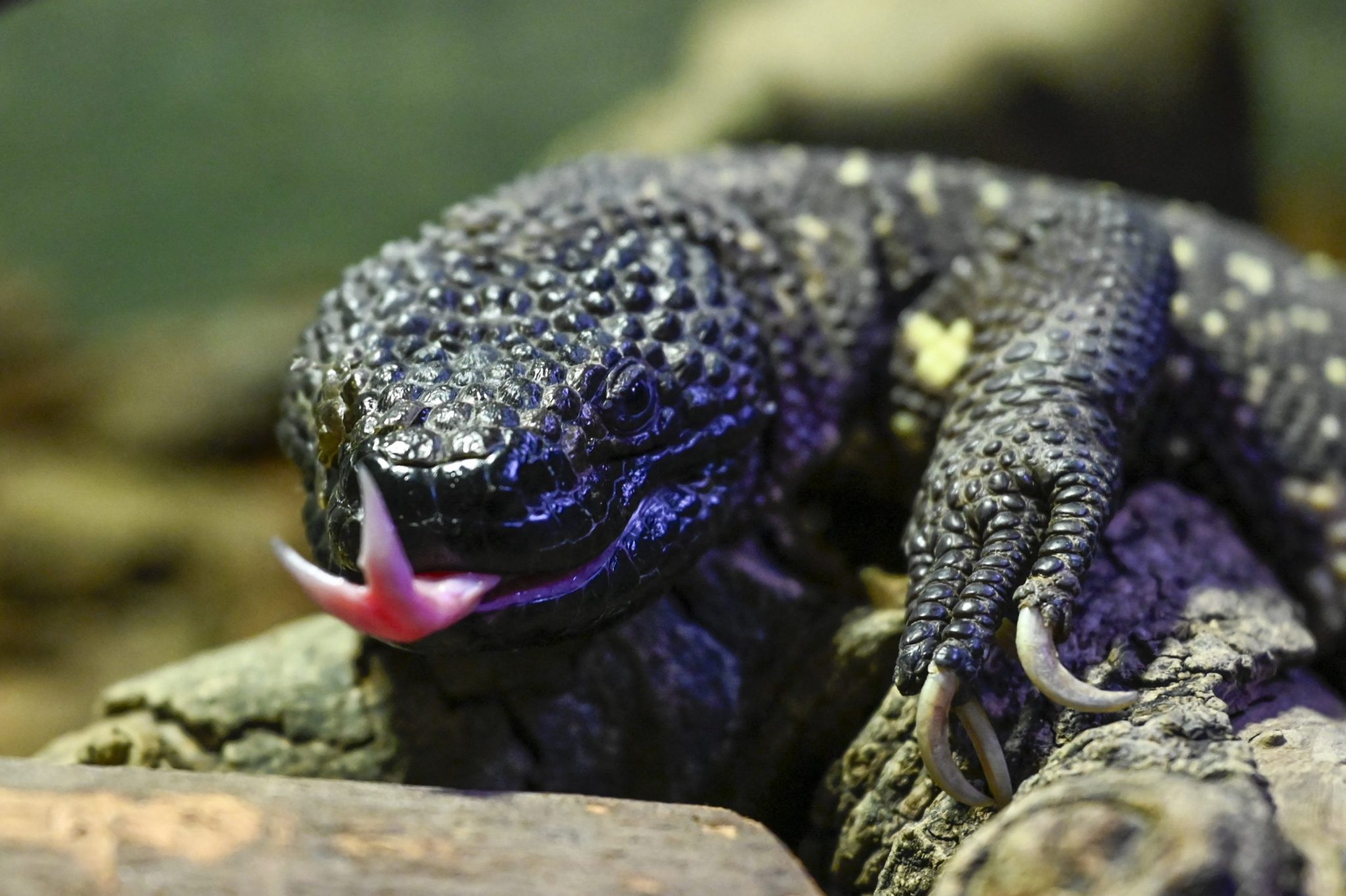
Americans can thank a desert lizard—and the patent system—for these increasingly ubiquitous, increasingly affordable treatments.
The story begins in 1990, when John Eng, an endocrinologist at the Veterans Administration, isolated a peptide from the venom of Gila monsters, the nearly two-foot-long lizards native to the Southwest. That peptide mimicked the human hormone GLP-1, which prompts the pancreas to release insulin and makes people feel full. But unlike natural GLP-1, which disappears from the body within minutes, this compound remains active for hours.
Dr. Eng patented the peptide. Amylin Pharmaceuticals eventually licensed and developed it into the first GLP-1 medicine. In 2005, the FDA approved it to treat type 2 diabetes.
That 15-year journey — from discovery to drug approval — wouldn’t have been possible without patent protections.
Patents require innovators to publicly disclose their discoveries. In return for this disclosure, inventors — and any companies that license the patents — receive a limited period of time where no rival is able to copy the discovery and sell it as their own.
That gives companies a chance to earn a return on their investment — and makes those risky and expensive investments financially viable in the first place.
Contrary to conventional wisdom, patents don’t stifle competition. They promote it, by forcing companies to invest in developing their own patented products, rather than simply copying a rival’s inventions.
Consider how patients taking that first GLP-1 medicine from Amylin had to inject themselves twice a day within an hour before eating. Researchers at rival companies later developed once-daily and then once-weekly options, followed by a pill version and a drug that acted on two hormone receptors to help patients lose even more weight.
That does not mean every patent is valid or every patent claim is warranted. But the patent system already has established standards and safeguards for addressing those cases. And those few exceptions do not diminish the central role strong, time-limited patents play in turning risky discoveries into approved medicines — or in motivating rivals to develop better ones.
Companies are already competing to develop the next generation of drugs, including treatments that could reduce side effects and better preserve muscle. When rival brand-name drug makers compete for market share, it drives down prices.
And of course, when patents eventually expire, generic manufacturers can copy those discoveries and introduce them at much lower cost. When patent protections for Ozempic and Wegovy expired in India earlier this year, generic manufacturers flooded the market at prices less than $14 a month.
In the United States, at least one earlier GLP-1 has already lost patent protection and gone generic. And the core patents on blockbuster weight-loss drugs like Wegovy will expire in the early 2030s, meaning generic versions will likely hit the market soon after.
That’ll make already cost-effective medicines even more accessible for patients, and more beneficial for society.
Obesity alone costs the healthcare system nearly $173 billion annually. The total economic cost of diabetes — including medical expenses and lost productivity — reaches another $413 billion. By preventing these conditions, GLP-1 drugs promise to reduce future healthcare spending.
And their impact won’t be limited to obesity and diabetes. For example, the FDA has already approved Wegovy to help cut the risk of cardiovascular death, heart attack, and stroke in obese or overweight adults with cardiovascular disease. Researchers are continuing to investigate whether GLP-1s could be effective at combating opioid addiction, osteoarthritis, Alzheimer’s, and even breast cancer.
That translates to lives saved and billions more dollars in potential savings for the healthcare system. And all of that research is only possible because companies have an opportunity to patent their resulting discoveries and earn a return on the time and money they’ve invested.
The Gila monster did not give us GLP-1s. Scientists—and a patent system that encourages companies to continually invest in new research—did. The patent system most often works as intended, delivering new solutions to our toughest health challenges.
The opinions expressed in Fortune.com commentary pieces are solely the views of their authors and do not necessarily reflect the opinions and beliefs of Fortune.
This story was originally featured on Fortune.com