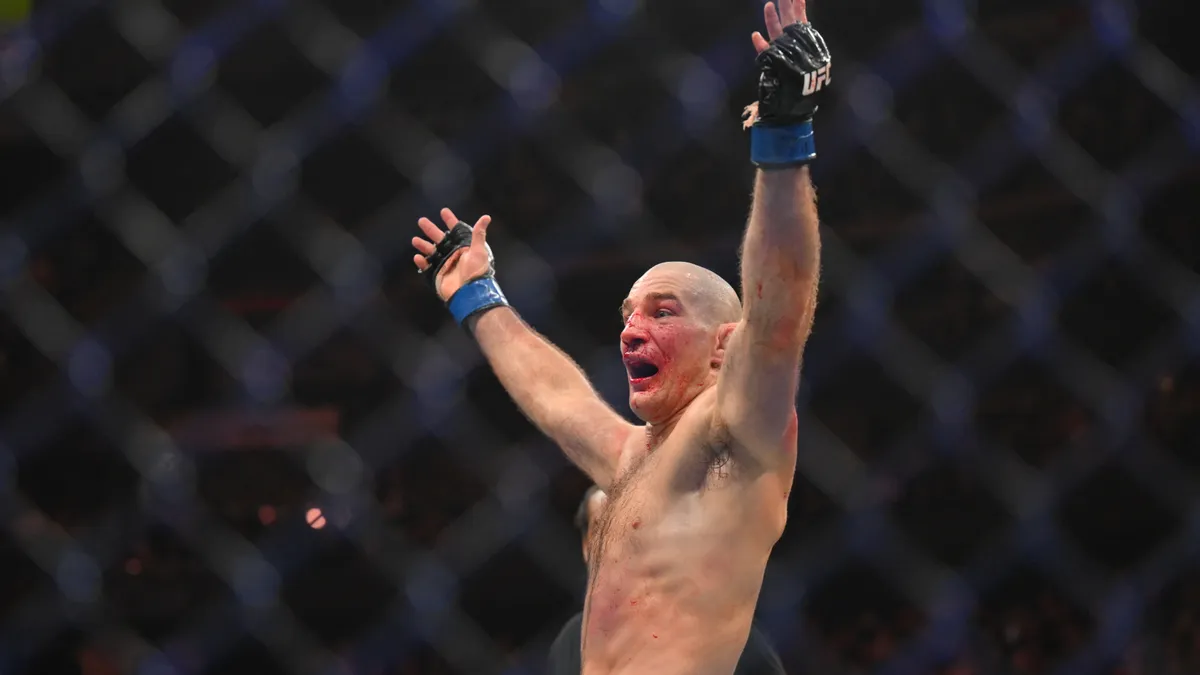
 May 9, 2026; Newark, New Jersey, UNITED STATES; Sean Strickland (blue gloves) celebrates after defeating Khamzat Chimaev (red gloves) during UFC 328 at Prudential Center. Mandatory Credit: John Jones-Imagn Images
 The UFC has spent years building some of the biggest names in combat sports, but a growing number of its fighters are starting to ask an uncomfortable question: If the promotion is making so much money, why aren’t they getting a bigger piece of it?
Sean Strickland might be the clearest example yet. The middleweight champion has publicly questioned his compensation, threatened to walk away from the UFC and even floated the idea of fighting Jake Paul once he gets out of his contract. For a promotion built around having the best fighters in the world, losing a champion over money would be a pretty bad look.
Strickland’s frustration comes down to a familiar issue in MMA: the gap between what fighters believe they’re worth and what the UFC is willing to pay them. But there’s a new wrinkle to the conversation, and it has nothing to do with another promotion offering a bigger MMA contract. It’s boxing.
In October, Strickland took aim at the reported $30 million Conor McGregor earned for his brief fight with Max Holloway, arguing that the UFC wasn’t willing to pay its own champions a fraction of that money. He also pointed to reports that boxer Conor Benn received a $15 million deal from Zuffa Boxing, the boxing venture backed by the UFC’s parent company, TKO.
Strickland’s response was blunt. He said he was considering moving up to light heavyweight to finish out his UFC contract before pursuing a fight with Paul. A day later, he doubled down, saying he wouldn’t fight or sign another contract until his pay situation was resolved. M
That’s more than the usual fighter complaining after a frustrating negotiation. Strickland is the reigning champion at 185 pounds, and he’s publicly questioning whether remaining with the biggest MMA promotion in the world is worth it.
And he’s far from the only one watching the money.
The Zuffa Boxing problem
When reports surfaced that Benn had landed a deal worth a reported $15 million for one fight, UFC fighters noticed. Sean O’Malley, Max Holloway and Israel Adesanya were among the names who reacted to the reported payday, with O’Malley openly acknowledging that he hadn’t made that kind of money himself.
It’s an awkward situation for TKO. The same corporate umbrella now houses the UFC and Zuffa Boxing, but the financial opportunities available to athletes in those two businesses can look very different. A boxer can negotiate a massive individual fight deal while an MMA champion with years of service, title wins and a recognizable name remains tied to a contract negotiated under a different model.
Of course, boxing and MMA aren’t identical businesses. A reported deal isn’t the same as guaranteed take-home earnings, and one high-profile boxing contract doesn’t mean every boxer is making more than every UFC fighter. But fighters don’t need an accounting degree to understand the headline number. If a boxer can reportedly earn $15 million for one fight, they’re going to wonder why their own championship bouts aren’t worth more.
The irony is that Zuffa Boxing could end up making the UFC’s compensation debate harder to contain. TKO’s investment in boxing gives fighters a highly visible comparison point without requiring them to look outside the company’s own business. The message isn’t necessarily that every UFC fighter should get a boxer’s payday. It’s that the money exists somewhere in the combat sports world, and athletes want to know why they can’t access more of it.
The UFC has also historically held a different position on crossover fights. Dana White has argued that he wants the best fighters competing against the best fighters, rather than booking matchups simply because they generate a payday. But Strickland is openly considering precisely that kind of opportunity, and Jake Paul has welcomed the possibility of working with him once he’s free to do so.
If a fighter believes the UFC won’t meet his financial expectations, a lucrative crossover bout can start to look less like a sideshow and more like a legitimate alternative.
Is the UFC actually going to lose its stars?
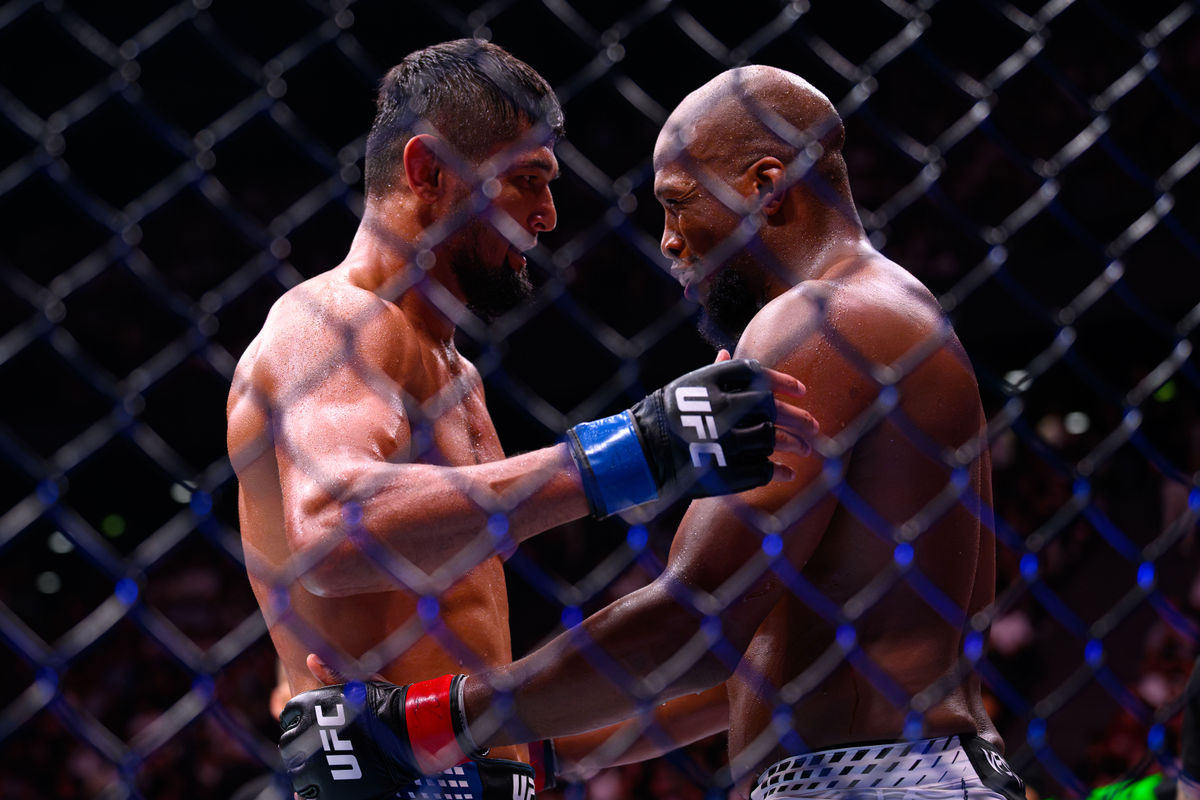 Sep 5, 2026; Paris, FRANCE; Michael Venom Page (red gloves) fights Nursulton Ruziboev (blue gloves) during UFC Fight Night at Accor Arena. Mandatory Credit: Per Haljestam-Imagn Images
 The UFC isn’t about to collapse because a few champions are unhappy with their contracts. It still has the deepest roster in MMA, the biggest platform in the sport and the ability to offer championship opportunities that other promotions can’t easily replicate. Most fighters also can’t simply walk away from an active contract because a better offer comes along.
But the more important question is whether the UFC risks losing leverage over its biggest names.
Strickland’s situation is particularly interesting because he isn’t an aging former champion looking for one last payday. He regained the middleweight title by defeating Khamzat Chimaev in May, and he’s now publicly challenging the promotion over what he believes he’s worth. When a reigning champion is willing to discuss leaving, it becomes harder to dismiss the issue as a complaint from the bottom of the roster.
Michael “Venom” Page’s recent move to Misfits Boxing offers another example of fighters exploring options outside the UFC. Page went 5-1 in the promotion and was ranked in two divisions, but the UFC chose not to re-sign him. He has since spoken about the creative freedom he expects to have in boxing, showing that the appeal of leaving isn’t always limited to the size of a paycheck.
Page isn’t in the same position as Strickland, and his departure wasn’t a direct contract rebellion. Still, it highlights a broader reality: fighters now have more ways to build their brands and pursue opportunities outside the UFC than they did a decade ago. Boxing, influencer promotions and other combat sports ventures can offer different forms of exposure, creative control and earning potential.
The biggest names have another advantage. They can bring an audience with them. A recognizable champion who leaves the UFC doesn’t automatically take the sport’s entire fan base, but they can carry enough attention to make an alternative promotion’s event worthwhile. That’s why the possibility of a fighter like Strickland crossing over to face Paul matters more than a random prospect changing employers.
There’s also a limit to how much the UFC needs to worry. The promotion has survived public pay disputes before, and fighters frequently return to negotiations after making their frustrations known. Strickland’s threats are not proof that he’s leaving, and there is no evidence that a mass exodus of UFC stars is imminent. The UFC still controls a valuable platform, and competing opportunities don’t always come with the same level of exposure or sporting credibility.
But the promotion can’t ignore the optics. When champions see a reported $15 million boxing deal and start questioning their own compensation, the debate becomes bigger than one fighter’s contract. And when the UFC’s own parent company is paying big money to boxers, it becomes harder to keep the conversation neatly separated.
The UFC may not lose its biggest stars tomorrow. Strickland could reach an agreement, O’Malley and Holloway could remain where they are, and the next generation of contenders will continue chasing the same belts. But the fact that fighters are openly discussing alternatives is a warning worth paying attention to.