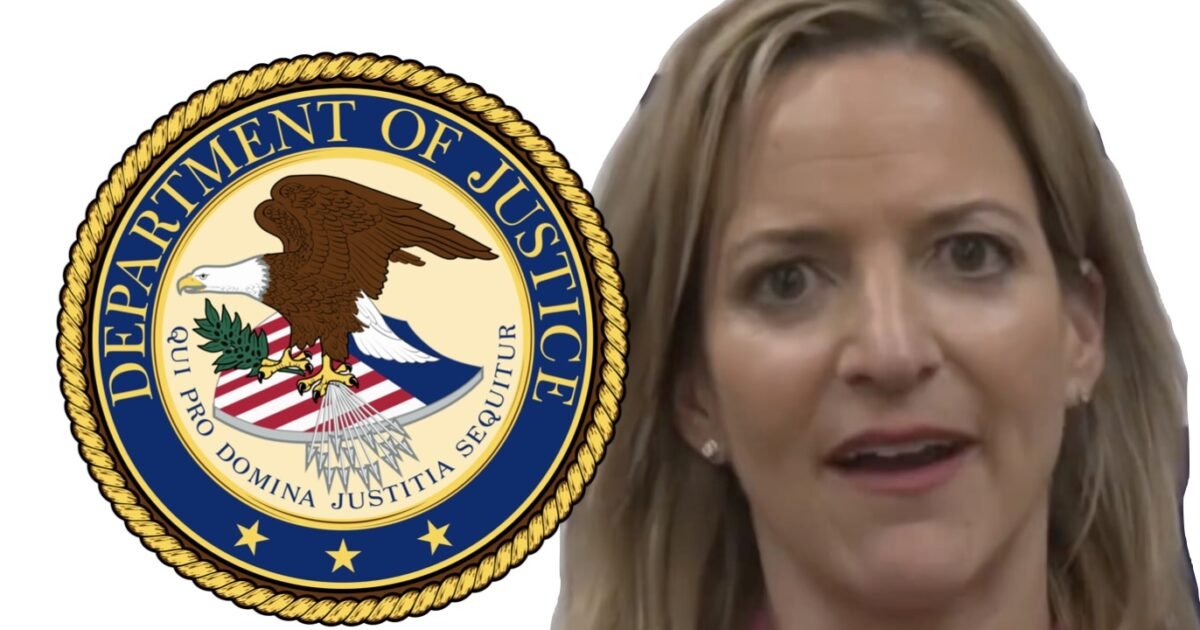
The U.S. Department of Justice has taken the highly unusual step of filing a Statement of Interest in a Michigan trial-court case — telling the Court of Claims that electronic poll book data, including all metadata, are federal election records and that Secretary of State Jocelyn Benson is responsible for preserving them.
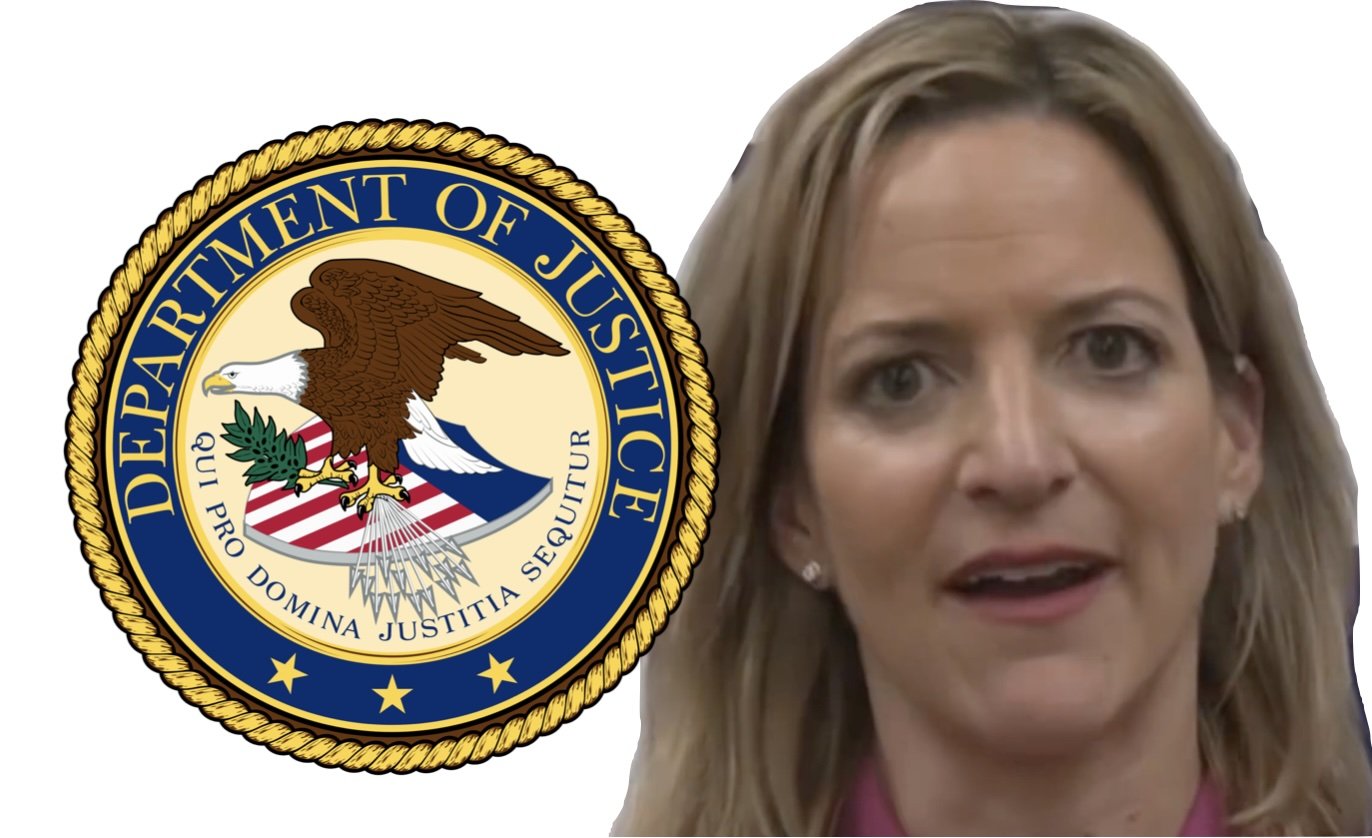
Statements of Interest from the Justice Department in pure state-court cases are rare. It is even rarer for DOJ to intervene at the trial-court level rather than on appeal. It is rare for the department to appear in a state trial court at all. The only recent election example is a 2022 Wisconsin circuit court case over absentee ballot witness addresses.
The filing lands in the middle of Bridgewater Township Clerk Michelle McQueer’s lawsuit challenging Benson’s rule that forces clerks to delete electronic poll book files just seven days after an election is certified.
Attorney Kevin Kijewski, who represents McQueer, explained the significance:
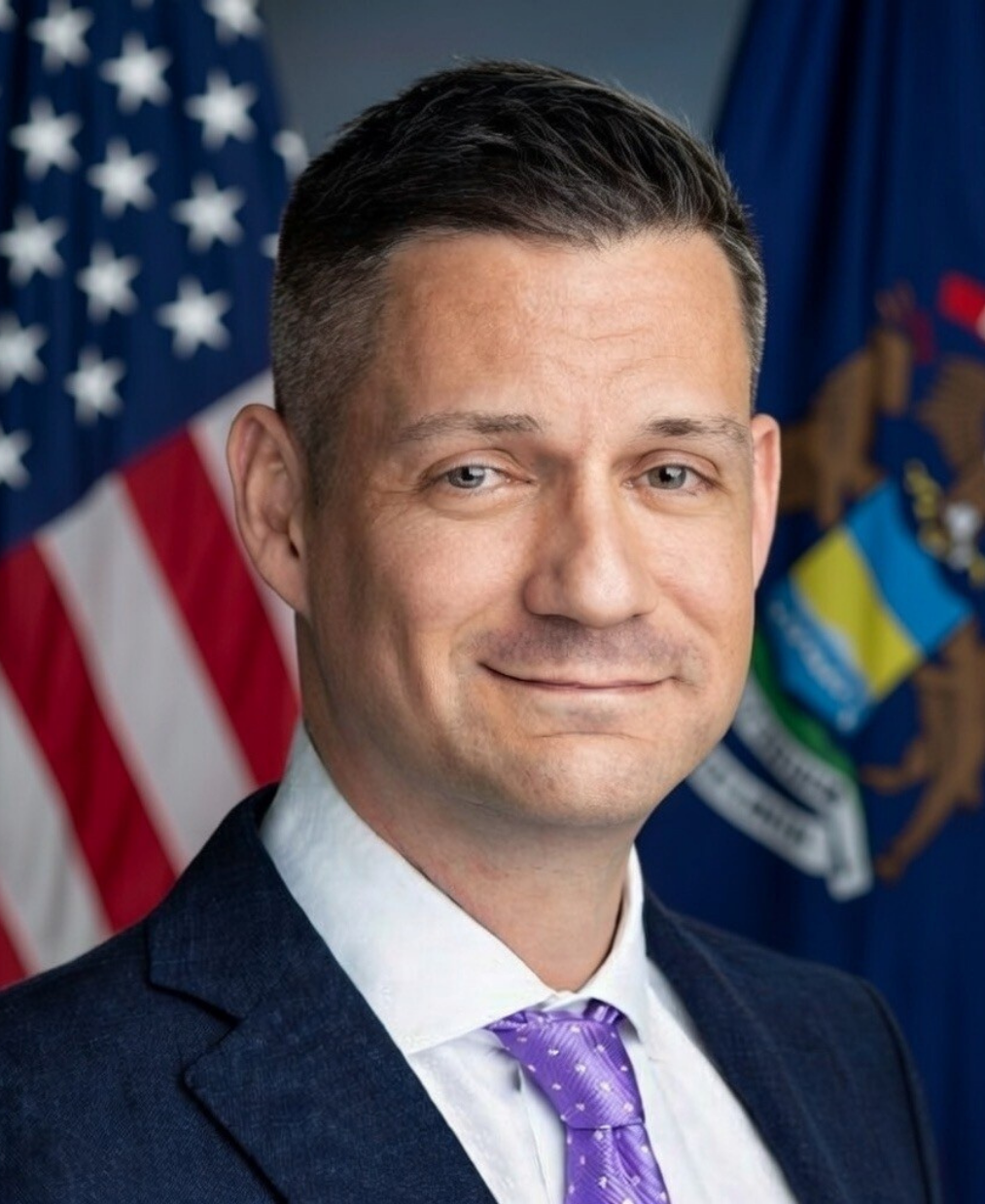
“The United States enforces the voting records law, so when it tells the court what the law requires, that matters. It said poll book data, including all metadata, are federal election records and that the Secretary of State is responsible for preserving them. That’s exactly what Michelle McQueer has been saying since October of last year, when she first asked the Secretary which law to follow and got no answer.”
Kijewski added a critical caveat about timing:
“The government’s statement was written from the Secretary’s September 30 ruling. The day before it was filed, the Secretary’s own data manager swore in an affidavit filed with the court that the list of voters each precinct used on election day is never copied into the state database. So the facts the government was asked to assume aren’t the facts anymore. The judge has the affidavit. He’ll decide.”
The Justice Department also said that if the Secretary’s factual claims were accurate and all poll book data were uploaded and preserved, it would not prioritize prosecuting clerks who deleted files under the rule. That is the condition Kijewski says the new affidavit now contradicts.
On the DOJ’s decision to enter the case, Kijewski said:
“We didn’t invite anyone in, and we didn’t oppose anyone coming in. This is a clerk asking a judge a simple question. When a state rule says delete, and a federal law says keep, which one does she follow? Anyone who wants to help the court answer that is welcome.”
The conflict at the heart of the case
Michigan Rule R 168.48 requires clerks to delete electronic poll book software and associated files within seven days after certification. Federal law — 52 U.S.C. § 20701 — requires every officer of election to retain and preserve those records for 22 months. Willful destruction is a federal crime.
McQueer asked Benson’s office which law controlled. She waited months. She asked again. She received no ruling. In August, she sued. The Secretary’s office issued its ruling on September 30, after the lawsuit was filed. She won a temporary restraining order protecting her August 4 electronic poll book file and remains the only clerk in Michigan known to still possess one. On September 22, the Court of Claims denied the State’s first motion to dismiss on every ground. The Republican National Committee and Michigan Republican Party later joined as intervening plaintiffs.
The affidavit Benson’s office filed undercuts her position
In the reply filed Thursday, McQueer points to a new sworn statement from Rachel Clone, a data manager in the Bureau of Elections. Clone admits that the actual list of voters each precinct used on Election Day—the list poll workers looked at when people came in to vote—is never saved in the state’s main voter database. Officials say uploading it would be “duplicative.”
Instead, after the election, the state updates its database. The original list the poll workers used is gone. The only way to recreate it later is to dig through a change log in a system that is constantly being updated.
McQueer’s reply puts it simply: if you have to rebuild a record after the fact, you didn’t keep the record. Getting a receipt that something was uploaded and then deleting the original is not the same as preserving it. That admission matters even more now that the Department of Justice has told the same court that poll book data are federal election records the Secretary of State is required to preserve.
Why Kijewski took the case
Kijewski described his decision this way: “Because township clerks told me about this problem, nobody would help them. Michelle was willing to stand up for the rule of law. Her state told her to erase the election files seven days after certification. Federal law told her to keep them for twenty-two months. She asked the Secretary of State to resolve it. She waited eight months. She asked again. Nothing. People have been prosecuted over election data, so this wasn’t an academic question for her. She just wanted to follow the law, both laws, and nobody would tell her how.
“It’s a small case on paper. One clerk, one township, one flash drive in a locked cabinet. But the principle isn’t small. The record of how a federal election was run shouldn’t be destroyed a week after it’s certified, by anyone, in any party. Every clerk in this state has already deleted theirs for August. Bridgewater’s is the only copy left. I thought that was worth protecting.
“And honestly, I liked the client. Michelle isn’t a political person. She runs elections carefully and was told to do something she thought was wrong. People like that deserve a lawyer.”
What happens next
The Court of Claims now has the affidavit Benson’s office filed, McQueer’s reply, and a rare Statement of Interest from the U.S. Department of Justice declaring that poll book data are federal election records Benson is obligated to preserve. The question McQueer first posed nearly a year ago remains the only one that matters: when a state rule says delete, and federal law says keep, which one does a Michigan clerk follow?
Bridgewater’s file is still under court order. Every other clerk’s August electronic poll book is gone.
Since Michigan’s Democrat activist Attorney General Dana Nessel has done nothing to stop Jocelyn Benson in her 8 years as Secretary of State, Michiganders may have a glimmer of hope that the federal government can do something to prevent Jocelyn Benson from making Michigan’s elections the laughingstock of the nation once again.
Ad block users: Some site features may not work correctly while an ad blocker is enabled, because they break scripts and content this website depends on. If you can’t see comments below, for example, please disable your ad blocker.