
Google has spent more than a decade pointing to Finland as proof that a data center can be a good neighbor. Now Finland’s regulators say it moved too fast on the next ones.
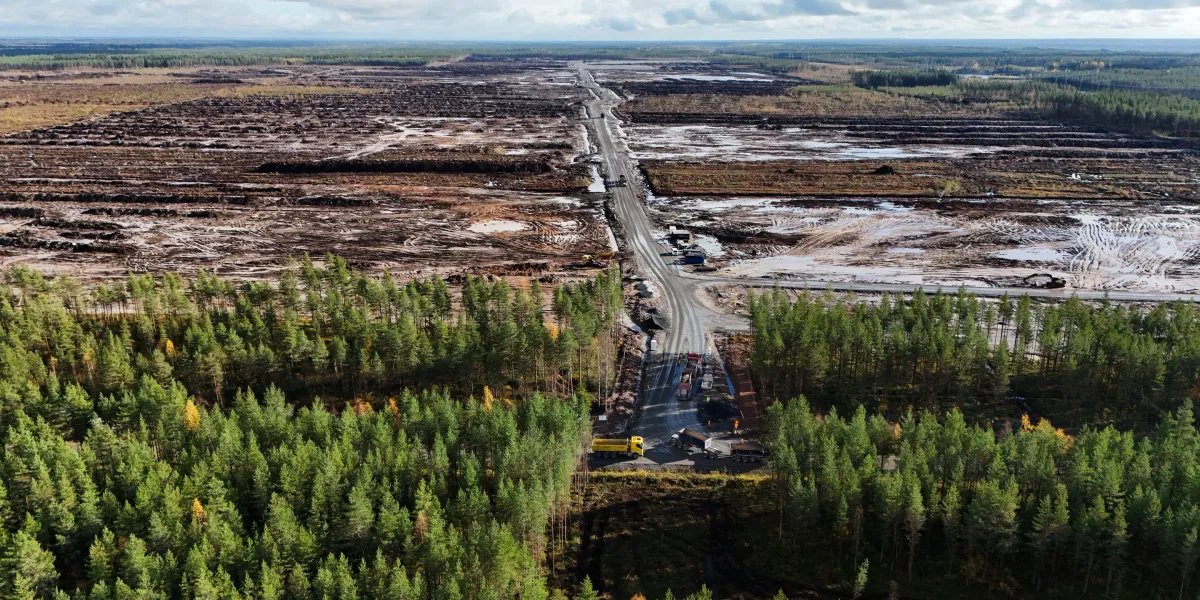
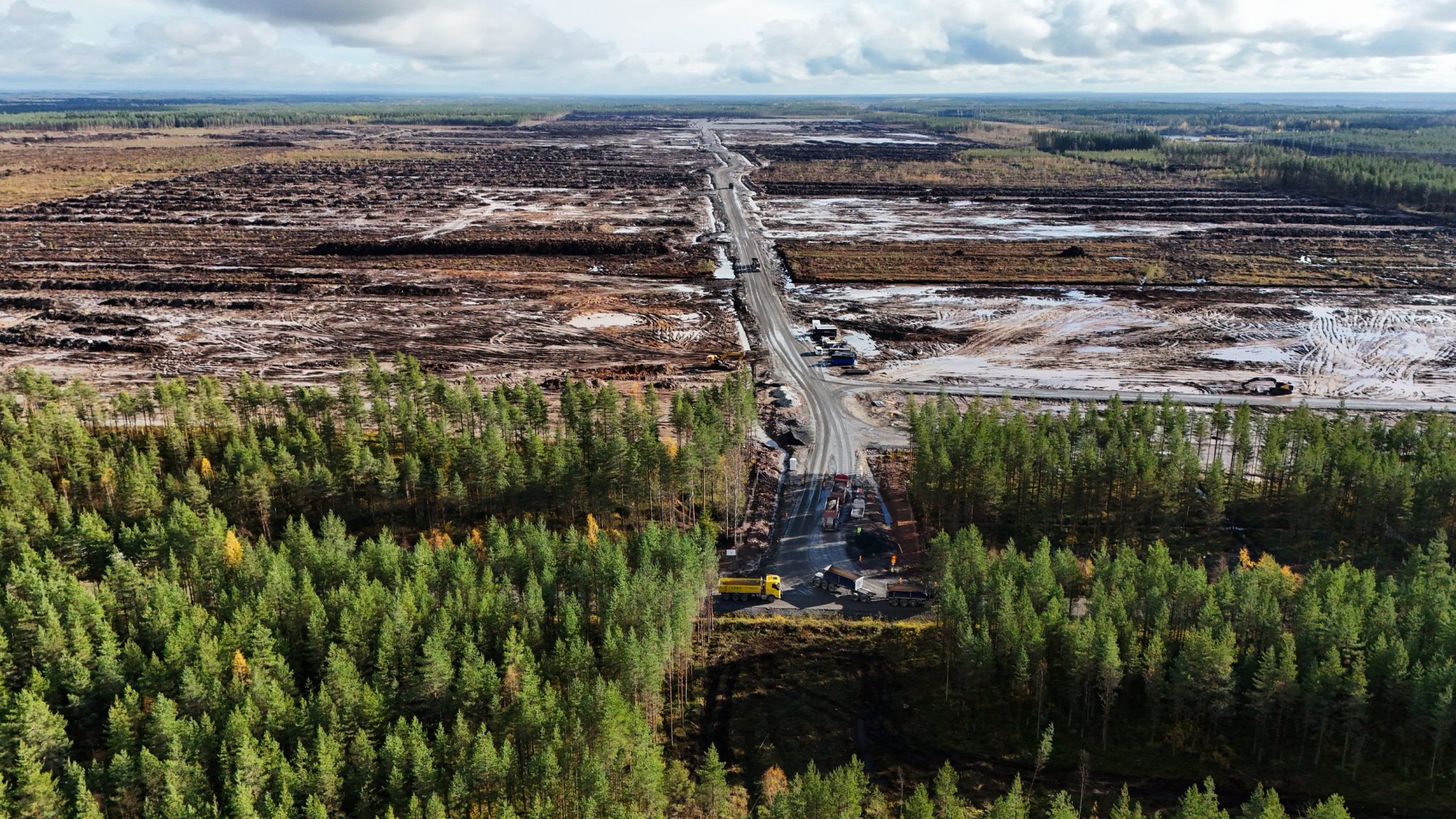
The Finnish Licensing and Supervision Authority issued a notice that requires Google subsidiary Tuike Finland to suspend all environmentally significant preparatory work at sites in Muhos and Kajaani, until required environmental impact assessments are finished. The move follows the clearing of an estimated 250,000 trees at Muhos, according to The Guardian.
The two sites are part of Google’s €13 billion (about $15.1 billion) investment in Finnish AI infrastructure, announced in September and billed by the company as its largest single investment in Europe. Google already operates a data center in the Finnish town of Hamina.
“This is Google’s largest single investment in Europe and a testament to Finland’s leadership in responsibly building AI infrastructure,” Google said in a statement in September regarding its $15.1 billion plan. The company emphasized “what is possible through strong partnerships to create long-term community value and world-class environmental sustainability.”
But Finland disagrees with how the company has handled its data center buildout.
“In the opinion of the Finnish Licensing and Supervision Authority, extensive preparatory measures have already been taken in the project areas based on the currently available reports, such as the removal of trees, the stripping of topsoil, the construction of construction site roads and storage areas, changes to ditches and culverts, and stormwater arrangements. In our opinion, the measures in question will change the environment and cause impacts, the identification and assessment of which are among the key objectives of the EIA procedure,” Tommi Muilu, Head of the Environmental Department at the agency, said in a press release.
The suspension doesn’t cover planning, measurements, soil surveys or other work with minor impacts that can be easily reversed, the agency said.
Google did not respond to a request for comment from Fortune.
The pushback is awkward for a government that went out of its way to land the project. “Finland is an attractive destination for investments, and attracting further investment remains a top priority,” Prime Minister Petteri Orpo said in Google’s announcement in September. “Google’s decision is a clear testament to our strengths.”
Not every Finn agrees. More than 96,000 people have signed a citizens’ initiative on the government’s kansalaisaloite.fi platform calling for tighter control of data centers, including a “data center fee.” The initiative asks lawmakers to make sure data centers “do not endanger security of supply or negatively affect the price and adequacy of electricity for consumers and other industries,” following the Irish model of regulating grid access. It also calls for a fee so that “society and local communities are compensated for the environmental damage and resource consumption caused by operations.”
That’s a different picture from the one Google has painted in Finland. In 2009, the company bought a former paper mill in Hamina and turned it into a data center that opened in 2011. It’s cooled with seawater from the Gulf of Finland instead of conventional water cooling. Google also sends the site’s waste heat to local homes and businesses, and estimates that heat recovery will cover up to 80% of Hamina’s district heating network’s annual demand. In September, it signed a 22-year deal with Fortum to help extend the life of the Loviisa nuclear plant, which Google says supplies about 10% of Finland’s electricity.