The justices’ views did not track along simple ideological lines. Justice Byron White, a Kennedy appointee, felt that limiting spending was critical; otherwise, “you can get and spend all the money you want,” according to notes kept by Justice William J. Brennan Jr.
But five other justices were First Amendment hard-liners, from William Rehnquist, a conservative future chief justice, to Harry Blackmun, a liberal stalwart. Mr. Brennan and Thurgood Marshall, both liberals, contemplated supporting Justice White, and Congress, in curbing spending. But the archives show that both feared giving the government the ability to silence groups like the NAACP, where Justice Marshall, the first Black justice, had served as lead counsel.
“On the one hand, there’s this huge concern about corruption in government,” said Rick Hasen, a law professor at the University of California, Los Angeles. “On the other hand, there are these very powerful First Amendment arguments that had not ever been really considered by the court.”
‘The Current World’
Even as the justices were deliberating, the Libertarian Party was exploring whether the Kochs could test the new campaign finance limits by donating $25,000 to the party itself, rather than to a specific candidate. Mr. Bolton, who also did legal work for the Libertarian Party, helped devise a plan to put a $25,000 contribution from the Kochs in escrow while they awaited word on whether it would be legal, a gambit ultimately rejected by Charles Koch.
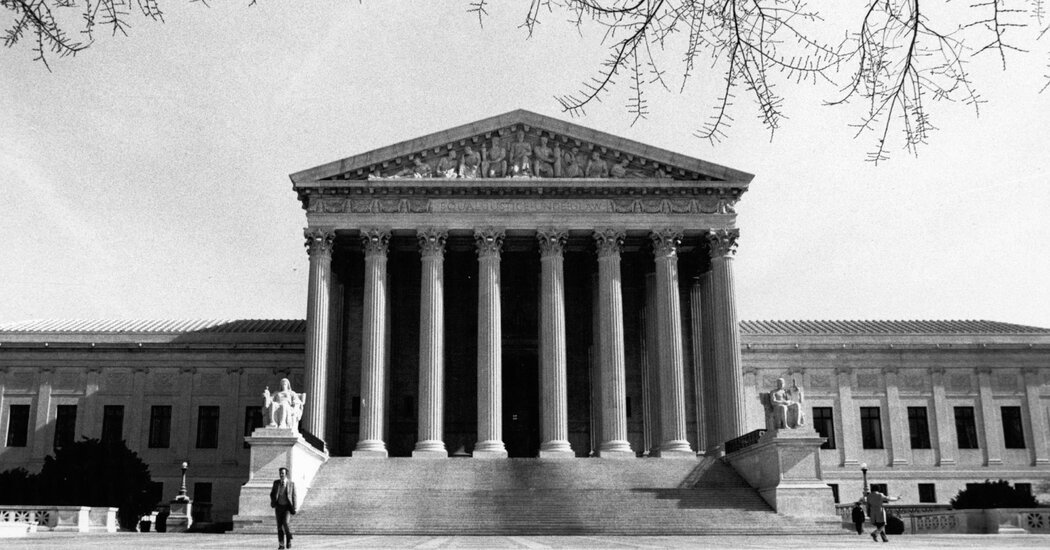
On Jan. 30, 1976, the court handed down its decision, a 6-to-2 ruling that upheld the law’s limits on contributions to political campaigns, its disclosure requirements and the new program for public financing of campaigns. But the justices ruled 7 to 1 against limits on how much people could spend on their own campaigns, or on independent expenditures on behalf of other politicians they hoped to see elected.