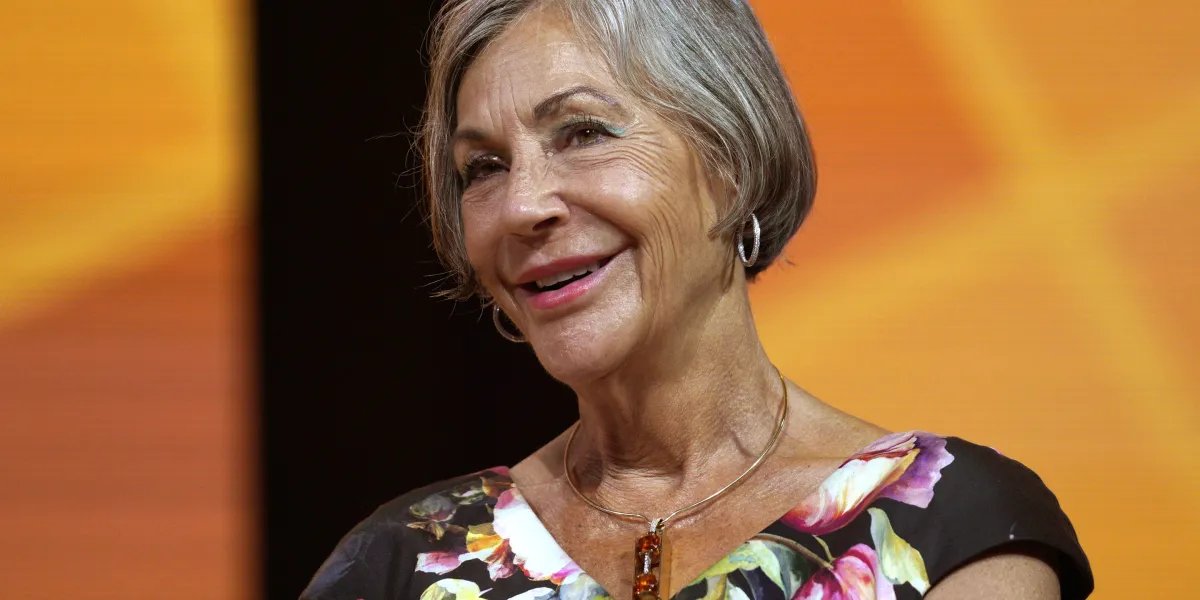
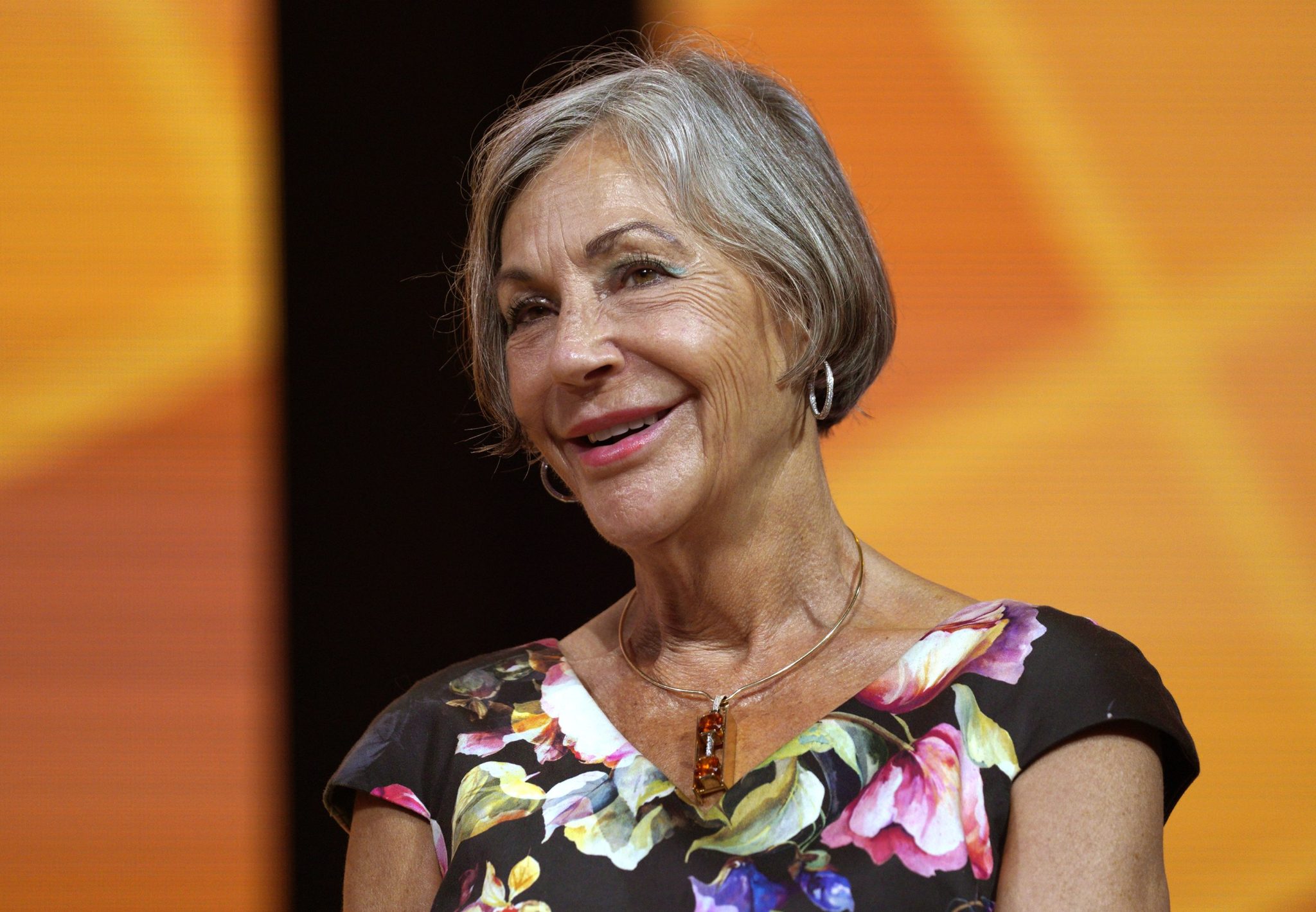
Walton’s wealth continues to skyrocket despite her dedication as an art patron and philanthropist. In fact, between March 2025 and March 2026, her net worth grew a whopping $33 billion, according to Forbes. Today, she’s worth nearly $120 billion. She did that without running the company or even sitting on the board of Walmart, unlike her brothers who also hold significant shares of Walmart.
Alice, who is the youngest child of Walmart founder Sam Walton, co-manages Walton Enterprises, which is one of the two family holding companies that controls an estimated 39%-44% of the retailer. She’s estimated to own about 20 million shares of Walmart directly in her name, which would be worth about $2.2 billion by today’s numbers.
But Walton, 76, holds most of her stake in Walmart indirectly through the family entities. Walmart’s 2026 proxy statement shows Walton Enterprises holds about 3 billion shares directly and votes another 513 million held by the Walton Family Holdings Trust. Since Walton’s fortune stems almost entirely from her inherited stake in Walmart, when the stock climbs, so does her net worth.
To be sure, Walton isn’t a stranger to work. After graduating from Trinity University in 1971, she spent a short stint as a children’s clothing buyer at Walmart before moving into finance, first as a stockbroker at E.F. Hutton, and later ran investment operations at Arvest, the family’s bank. In 1988, she launched her own investment bank, Llama Co., which folded after the 1998 bond market crash, according to Bloomberg.
Alice Walton’s dedication to medicine and philanthropy
These days, her main focus is medicine and philanthropy. In 2021, she founded the Alice L. Walton School of Medicine in Bentonville, Ark., her hometown and Walmart’s headquarters. She donated $250 million to fund the medical school, which offers a four-year, degree-granting medical program.
It opened in 2025 and welcomed its first class of 48 students. The school is waiving tuition for its first five cohorts, though students still cover fees and living costs.
“The real problem with health care is that there’s no incentive in the payment system for doctors to spend time helping you learn what good nutrition is, how important exercise is,” she told PBS NewsHour earlier this year. “And, frankly, doctors aren’t taught those things because they’re not paid for those things.”
The school added its second cohort this fall, bringing enrollment to 96. She’s described the approach to her medical school as bringing art and medicine together, saying, “I like the collision.”
Walton isn’t the only billionaire donating toward free medical school. American educator Ruth Gottesman gave $1 billion in 2024 to make tuition free at Albert Einstein College of Medicine, and Michael Bloomberg’s philanthropy put up $1 billion to cover tuition for most Johns Hopkins medical students. While those gifts went to established schools, Walton’s went toward building her own.
And the medical school was only the start. On Sept. 17, the Alice L. Walton Foundation broke ground on a Bentonville health campus built with the Mercy health system and Cleveland Clinic.
“I see innovation, technology, and research coming together to improve lives and address the critical issue of providing access for rural communities throughout the state and the region,” she said at the groundbreaking, according to Axios.
Her foundation is committing $350 million toward a 250-bed hospital and a cancer center, and the campus’s first building, a specialty care center focused on cardiac services, is slated to open in 2029.