The U.S. is caught in a spiraling debt crisis, and a major casualty might be demand for U.S. Treasuries—a critical support pillar for the economy and the government’s ability to spend money.
The scale of U.S. borrowing is severely testing confidence in the country’s ability to keep financing itself. The federal debt has climbed to $39 trillion, a level that budget experts have warned might soon force the U.S. into increasingly dire decisions as to what it can spend on.
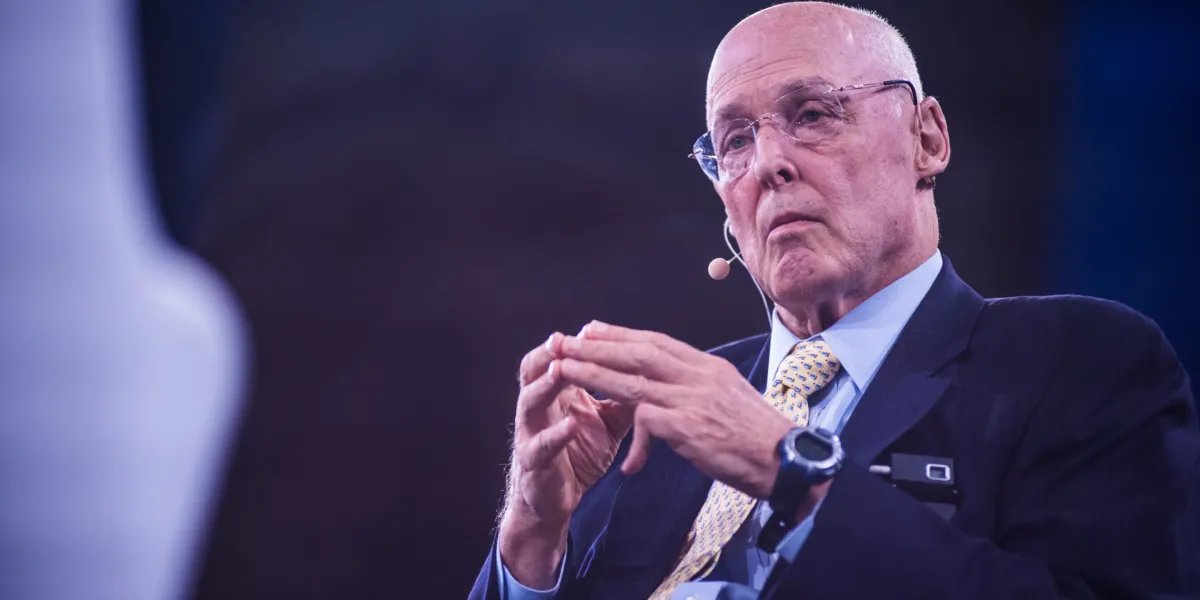
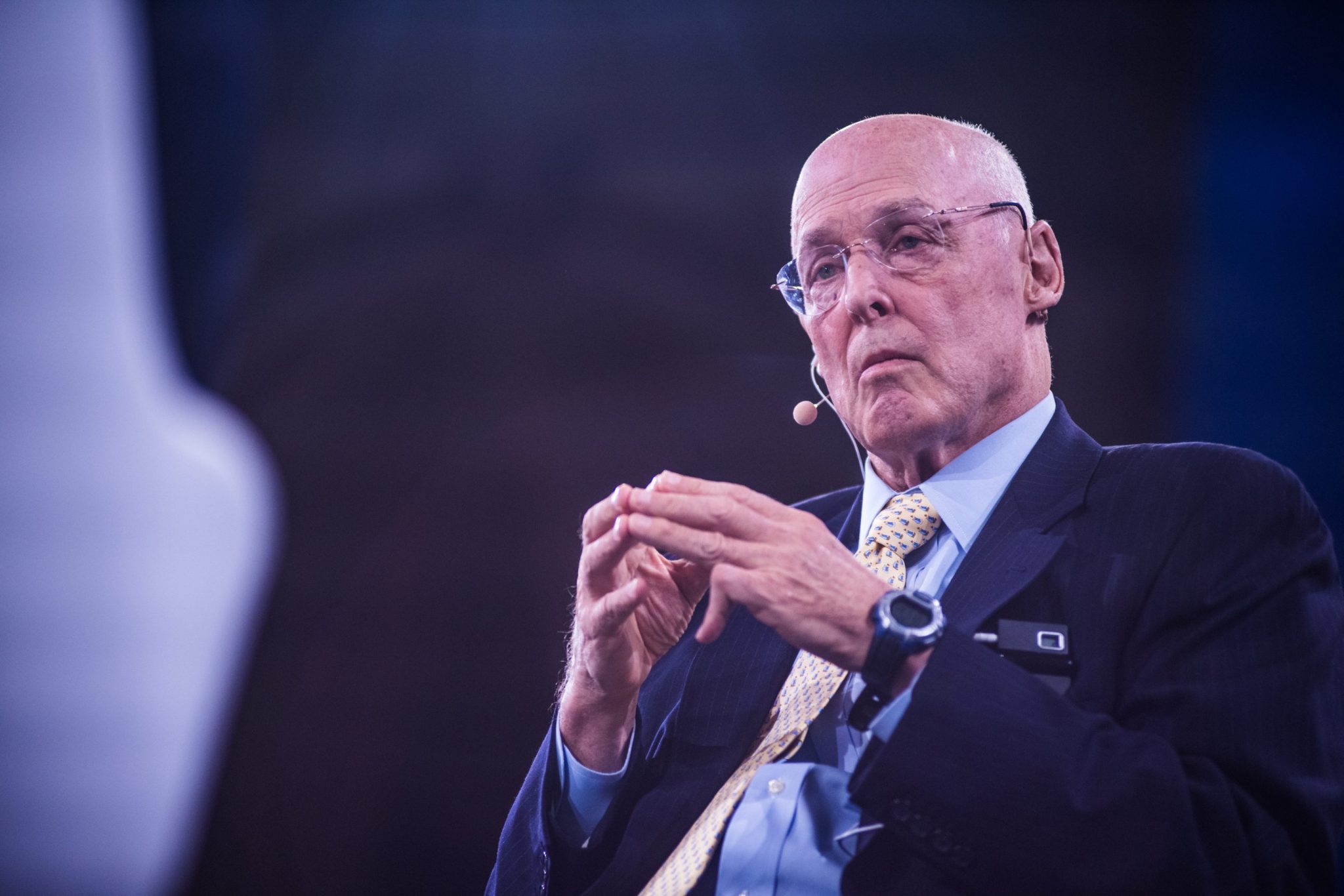
One victim of such a spiral would be the Treasury market, the largest bond market in the world. The country’s nagging debt problem is starting to break down that long-standing reliability of Treasury securities, and could eventually cause demand to collapse, according to Henry Paulson, who served as Treasury secretary during the George W. Bush administration.
“That’s a dangerous thing,” he said Thursday during an interview with Bloomberg TV, describing a scenario where demand and prices for Treasuries fall as foreign interest in the market declines.
It’s no exaggeration to say Treasury securities underpin multiple parts of the global financial system and are foundational to the way the U.S. government finances itself. The government is able to offset its gaping deficit by issuing Treasury securities, including bonds, bills, and notes, which are then purchased by a wide range of investors including foreign governments and pension funds.
Demand for securities is what informs Treasury yields, which serve as a benchmark for virtually every other borrowing cost ranging from mortgage rates to student loans. When yields rise, those costs rise with them.
The Treasury market is also a haven asset. In times of crisis, investors around the world have historically piled into U.S. government debt precisely because it is considered the safest store of value on the planet. Ever-present international demand for U.S. government bonds has played a sizable role in turning the dollar into the world’s reserve currency and is a big reason why the U.S. has been able to rack up such a large spending tab.
That status, however, is not guaranteed. Escalating risk tied to the nation’s debt obligations could push investors to require higher yields on Treasuries, forcing interest rates up, which would make the deficit even more difficult to resolve.
Should enough investors back out of buying Treasuries, the Federal Reserve would step in as a buyer of last resort, Paulson said, a dynamic that might accelerate the government’s debt spiral by further eroding confidence in the U.S. economy’s stability.
He called for a last-resort measure to halt the spiral if the situation deteriorates to that point. “We need an emergency break-the-glass plan, which is targeted and short-term, on the shelf, so it’s ready to go when we hit the wall.”
The Committee for a Responsible Federal Budget, a nonpartisan think tank, has advocated for something similar, recently proposing a plan that would allow the government to nimbly navigate its stressed budget the next time the economy enters a downturn.
As for when such a crisis might occur, Paulson said it would be hard to predict, depending on a variety of factors including the debt’s trajectory and the general state of the economy. But nearing that moment without a plan, he continued, would be a self-defeating exercise.
“It will be vicious,” he said. “We have to prepare for that eventuality.”