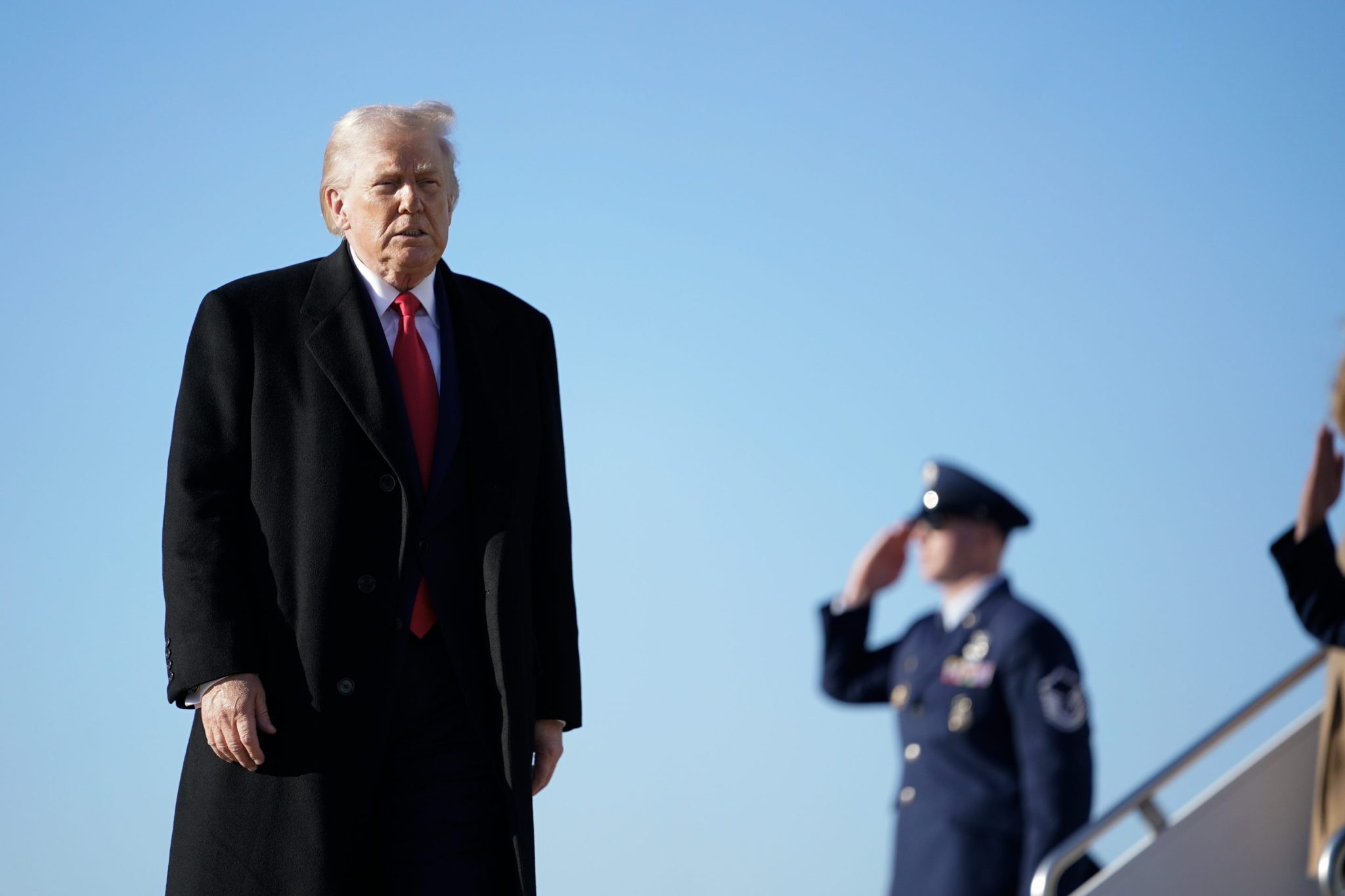
The Supreme Court ruled a large swathe of the Trump administration’s tariffs unconstitutional on Friday. It might make the average American consumer happy, but the decision could amount to trillions of dollars worth of lost government revenue over the next decade, and eventually come back to haunt the country’s fiscal stability.
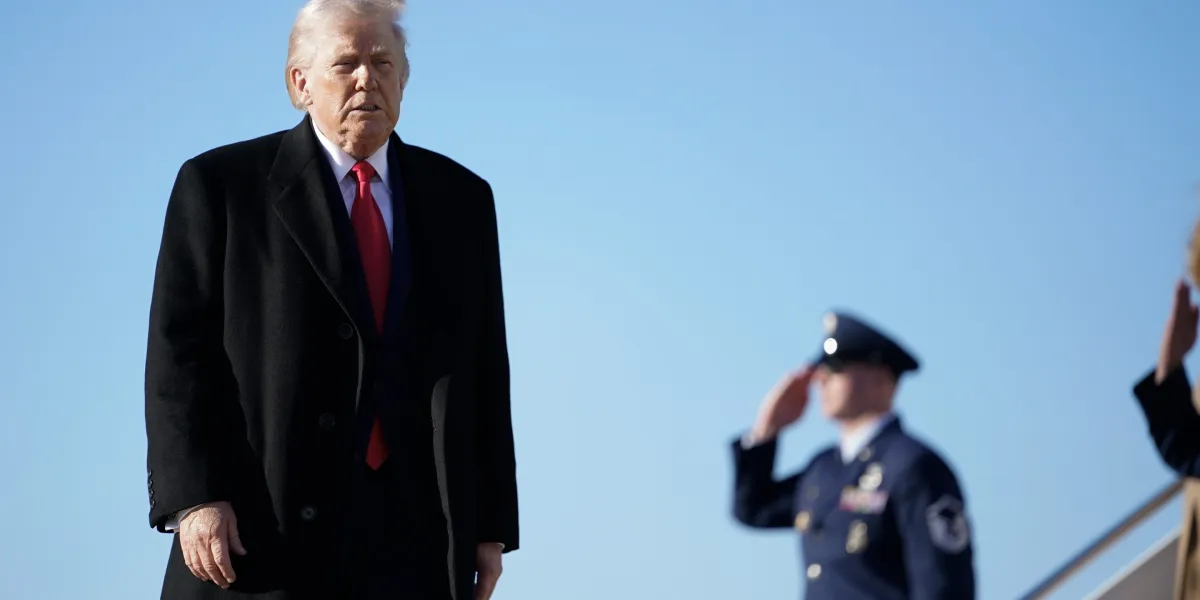
As evidence mounted that tariffs were taking a toll on American shoppers and companies, the Supreme Court justices ruled 6-3 that Trump had exceeded his authority when he installed sweeping “emergency” tariffs on a number of trade partners. The decision was cheered by business coalitions, and markets surged on the news.
One group that wasn’t so happy was the Committee for a Responsible Federal Budget (CRFB), a nonpartisan organization focusing on fiscal sustainability. While many both in the U.S. and abroad opposed Trump’s signature trade policy, his tariff regime had already brought in billions in government revenue, with trillions more baked into the fiscal accounting for the rest of Trump’s term and beyond. Those projected receipts evaporated on Friday, and as a result, America’s already dramatic fiscal outlook suddenly deteriorated even further.
“With today’s Supreme Court ruling affirming the illegality of President Trump’s emergency tariffs, the country will now be about $2 trillion deeper in the hole,” Maya MacGuineas, CRFB’s president, said in a statement. “We are in a dismal fiscal situation, and it just got worse.”
For years, the country has been unable to rein in its debt burden. Lawmakers and presidents from both parties have been unwilling to significantly raise taxes or cut essential spending, actions that would help balance the budget. Earlier this month, the nonpartisan Congressional Budget Office projected that national debt as a percentage of GDP, currently sitting at around 100%, would rise to 120% in 10 years. As the burden rises, so too do the required interest payments to service that debt. It all threatens to crowd out other spending and limit the government’s ability to shift money around and respond to unexpected crises.
Making ends meet
But those estimates assumed current policies would remain in place. Earlier this week, CRFB published an analysis that outlined the costs of removing Trump’s tariffs, finding that the lost revenue would be one of the factors contributing to a much worse “alternative scenario,” where debt as a percentage of GDP rises to 131% by 2036, compared to the baseline projection of 120%. This would raise interest payments by nearly a trillion dollars by the end of the decade, threatening to eclipse spending on everything from Social Security to transportation infrastructure.
The CRFB recommended Congress urgently find a way to patch up that lost tariff revenue, either by approving replacement tariffs or finding an alternative way to offset the loss. Last year, when the Supreme Court was due to begin hearing arguments on the legality of Trump’s emergency tariffs, the organization listed a number of options the legislature could consider.
Some were long-standing prescriptions, such as scaling back tax cuts or cutting spending. That includes the costs projected to accompany Trump’s massive One Big Beautiful Bill Act, which alone could add up to $4 trillion to the deficit over the next decade.
Other mechanisms were more novel. One option was to replace tariffs with a border adjustment tax, essentially a version of the value added tax, or VAT, on goods that most of the world’s nations levy in some shape or form. While tariffs selectively penalize specific foreign imports, VAT levies treat all products equally and tend to have a neutral impact on trade.
Another avenue would be to simply replace tariffs with other tariffs. Trump would still be able to invoke national security or market distortion concerns to implement tariffs this way. But unlike his “emergency” measures that just got ruled out, approving these barriers would likely require lengthy procedures involving investigations and reports to Congress.
Trump’s tough audience
But even without the heavier bureaucratic slog, American consumers might not be willing to entertain a revival of Trump’s extensive tariffs. Nearly two thirds of Americans say that tariffs make their everyday lives less affordable, including a majority of people who voted for Trump in 2024, according to a Council on Foreign Relations poll published this week.
Businesses would also likely be opposed. In a statement supporting the Supreme Court’s ruling, the U.S. Chamber of Commerce urged the Trump administration to use this opportunity to reset overall tariff policy in a manner that will lead to greater economic growth, larger wage gains for workers, and lower costs for families.” And of course, small businesses were the ones to first bring a case against the administration questioning the legality of its tariff regime last year.
But while many Americans might cheer the downgrading of Trump’s protective trade policies this week, the country’s fiscal outlook continues to darken. The bottom line, according to CRFB’s MacGuineas, is that the U.S. is in desperate need of either cash or savings to plug its gaping deficit. And right now, it’s getting none of either.
“We need Washington to put forward an agenda to truly address the debt. That means cutting spending, raising revenue, lowering healthcare costs, and securing our trust funds,” she said. “Whatever one feels about the tariffs themselves, the country needs that $2 trillion in fiscal improvements, all of which should be dedicated to deficit reduction.”