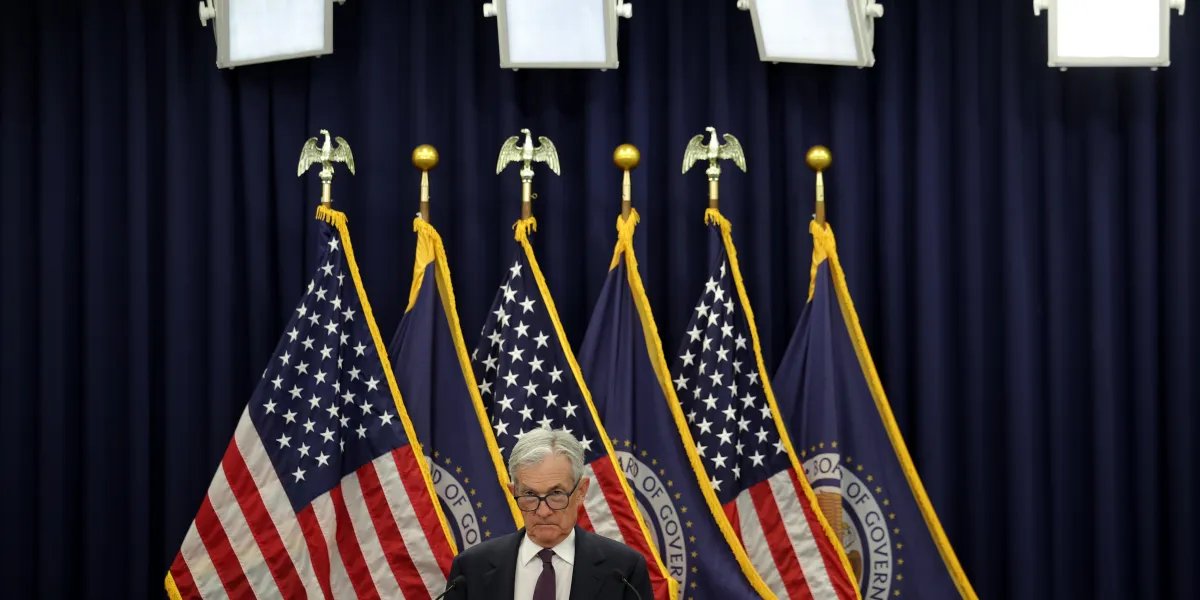
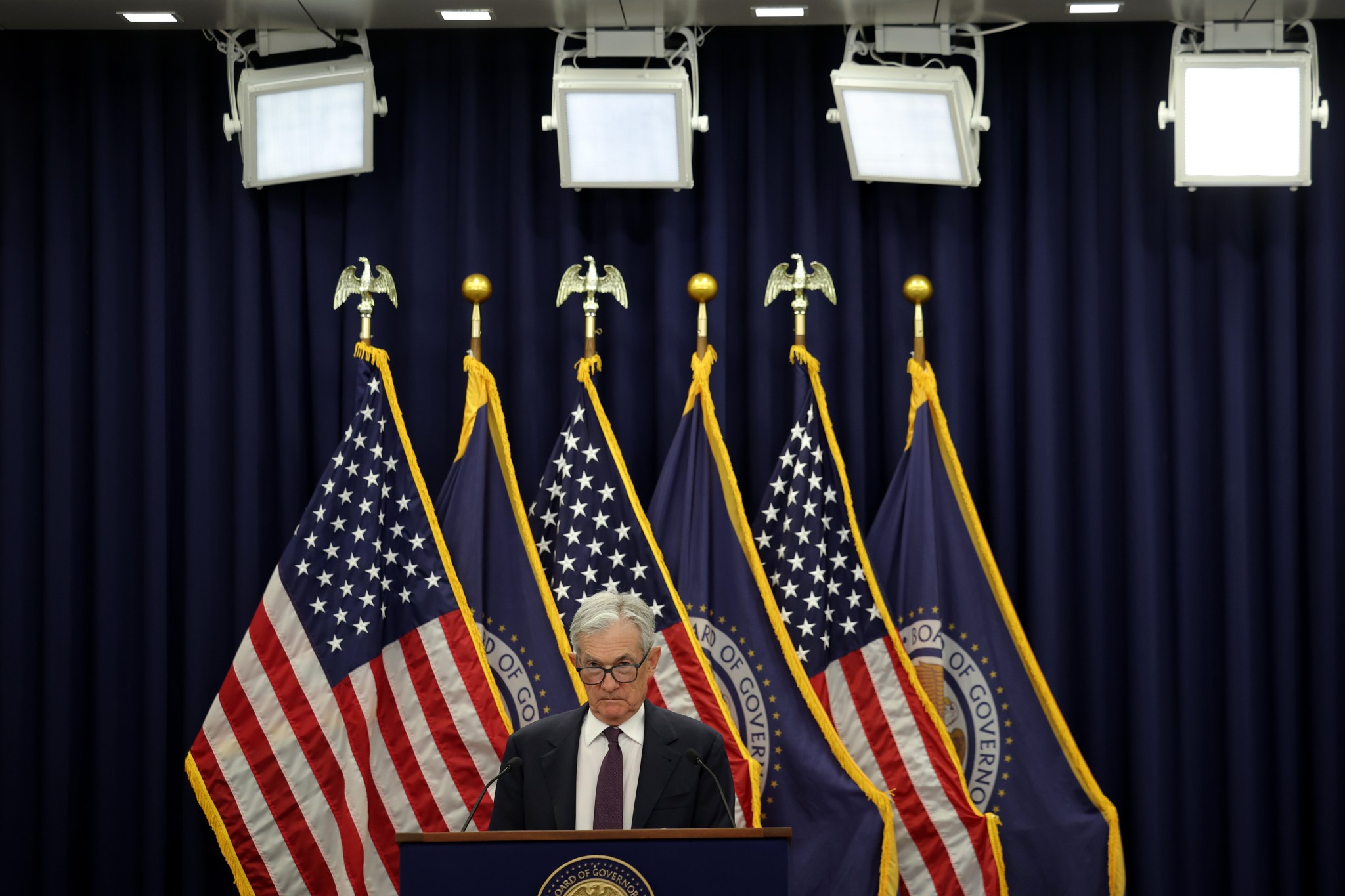
In a matter of months, a new face will stand behind the lectern at the U.S. Federal Reserve, following the meeting of its rate-setting committee. Jerome Powell has (in all likelihood) only got a few press conferences left before his term as central bank chairman ends—an event he may increasingly be looking forward to.
With Powell’s term due to end in May (unless delayed by a legal back-and-forth arising out of a Department of Justice investigation), the chairman will lead the Federal Open Market Committee (FOMC) meetings this week and in April before stepping aside, likely for Trump nominee Kevin Warsh to take his place.
Despite the drama surrounding Powell’s final year leading the Fed, Wall Street isn’t expecting anything particularly surprising from the Powell-led meetings. In the past few months the FOMC has been split over how quickly and steeply rates should be cut—if at all—and recent military action in Iran will do little to firm-up the economic outlook.
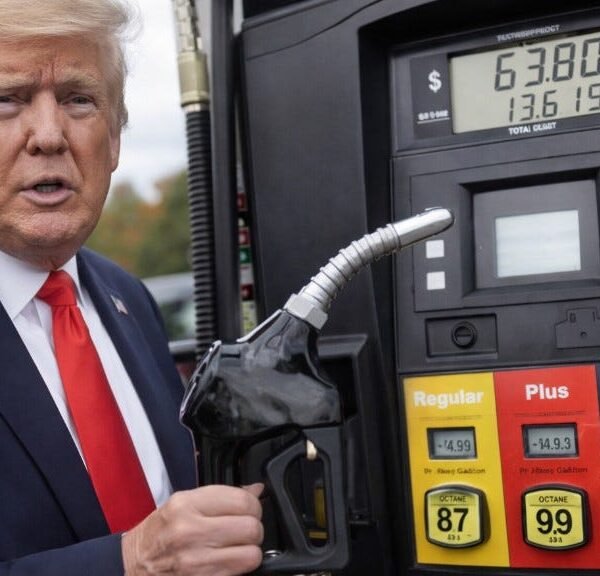
Geopolitical tensions have bubbled over since the U.S. and Israel launched strikes in Iran 17 days ago. Since then, oil prices have been increased as traders assess how severely supply from the region will be disrupted. Rising oil prices have a direct knock-on impact for households, with their inflation expectations soaring as they scour headlines for a de-escalation in tensions, which is yet to appear.
With price expectations rising, and with limited contemporary data to inform the Fed about the real economy right now, analysts are largely expecting Jerome Powell to announce no cut this week. At the time of writing CME’s FedWatch places more than a 99% chance of a hold at the meeting this week.
Despite the fact that this week is something of a central bank bonanza (the Fed, European Central Bank, Bank of Japan and Bank of England all meet this week), there’s a general perception that wait-and-see will once again prevail. Economists also aren’t expecting anything major from Powell’s presser, as Deutsche Bank’s Jim Reid noted to clients this morning, saying his team “only expect minor statement tweaks, including smoothed language on recent labour data (especially given January and February’s conflicting payrolls) and a nod to geopolitical risks, highlighting uncertainty and near-term upside pressure on inflation.”
An overly hawkish picture?
He continued, Powell’s press conference is “likely to stress that recent events mainly transmit through financial conditions—particularly oil prices. For now, however, our economists think he’ll avoid signalling any meaningful shift in the near term policy outlook.”
Indeed, some analysts have even suggested it’s entirely plausible that there will be no cuts at all in 2026—after all, a dovish new chairman is only one vote on the FOMC. But Bank of America Global Research’s Antonio Gabriel wrote this morning that perhaps hawkish inflation calls are overcrowding the picture when it comes to the Fed’s path forward.
Gabriel wrote that to assume the Fed won’t cut is based on the assumption that geopolitical tensions are transitory—that inflation may be a relatively short to medium-term hiccup which will not impact the wider global economy. The BofA economists isn’t so sure, writing this morning that markets could be underpricing a more protracted war.
“While a quick resolution to the conflict is certainly a possibility, we view the conflict extending into 2Q as an equally likely outcome, and a more protracted war cannot be ruled out. However, markets seem to be pricing a largely transitory shock,” Gabriel observed. “The U.S. dollar is stronger, but the S&P 500 is just 4% below its peak, and rates markets have priced out about 35bp of Fed cuts by year-end due to inflation concerns. In our view, the more disruptive scenarios for global growth are underpriced.”