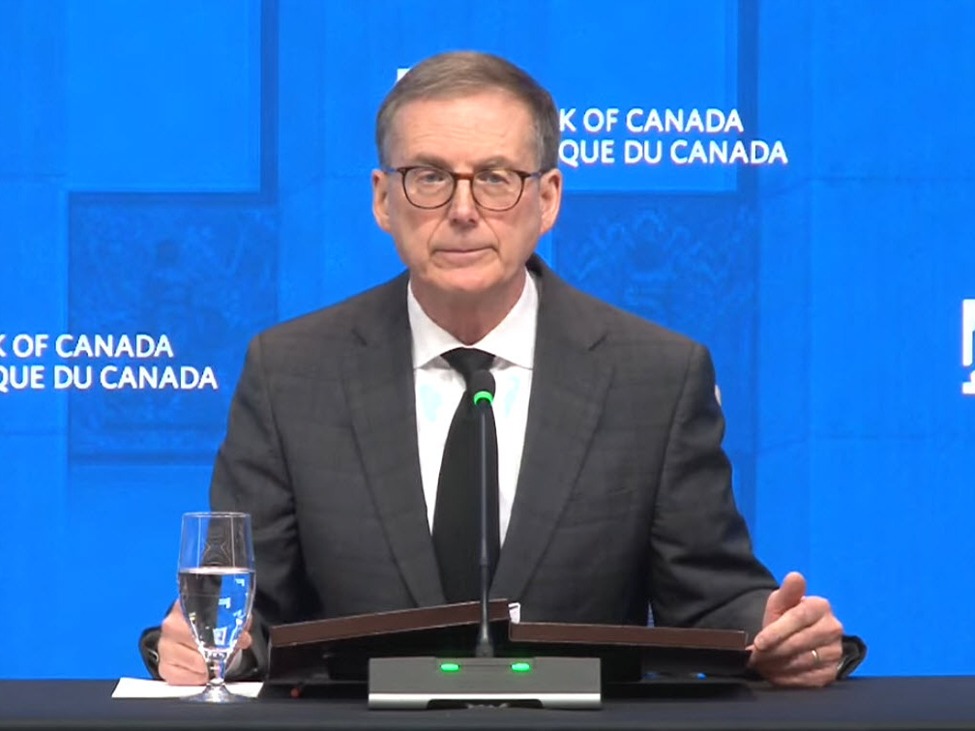
The market isn’t pricing in any more cuts from the Bank of Canada, so they’re data watching and there isn’t much in the commentary that could be market moving.
- Agreed ahead of Jan 28 decision that the rate was on the stimulative side
- Uncertainty over the pace and scale of structural adjustment made growth, potential output and economic slack difficult to assess
- See USMCA review as a downside risk to economic growth
- Firms were reconfiguring supply chains but structural adjustment will take time, could deepen sectoral supply-side impacts
The Bank of Canada’s January deliberations reveal a Governing Council firmly on the sidelines, characterizing the current 2.25% policy rate as “about right”. While the headline CPI accelerated to 2.4% in December, the Council dismissed the move as a technical artifact of base-year effects from previous tax holidays, choosing instead to focus on the easing of core measures toward 2.5%. The underlying message for the loonie is one of managed stability; the Bank expects the downward pressure from a persistent “excess supply” in the domestic economy to neutralize the inflationary costs of reconfiguring global supply chains.
Growth remains the primary soft spot in the Canadian outlook. Following a volatile 2025 where US tariffs induced sharp swings in net exports, the Bank estimates GDP growth stalled near 0.0% in the final quarter of the year. The 2026 projection of 1.1% reflects a cautious reality: population growth is slowing, and business investment remains broad-based in its weakness. While the Council acknowledged the potential for AI to drive productivity gains—a trend already boosting US exceptionalism—they noted that tangible evidence of this in Canada remains limited and will likely take years to materialize.
From a policy perspective, Governor Macklem’s team is navigating what they term a “structural adjustment” rather than a typical cyclical fluctuation. The upcoming CUSMA review and unpredictable US trade policy remain the “known unknowns” keeping the Bank in a reactive posture. With unemployment still elevated at 6.8% and hiring intentions stagnant, there is little appetite for a hawkish pivot. Markets have largely digested this “steady as she goes” approach, with OIS pricing suggesting the BoC is comfortable maintaining a neutral stance until the clouds over North American trade begin to clear.