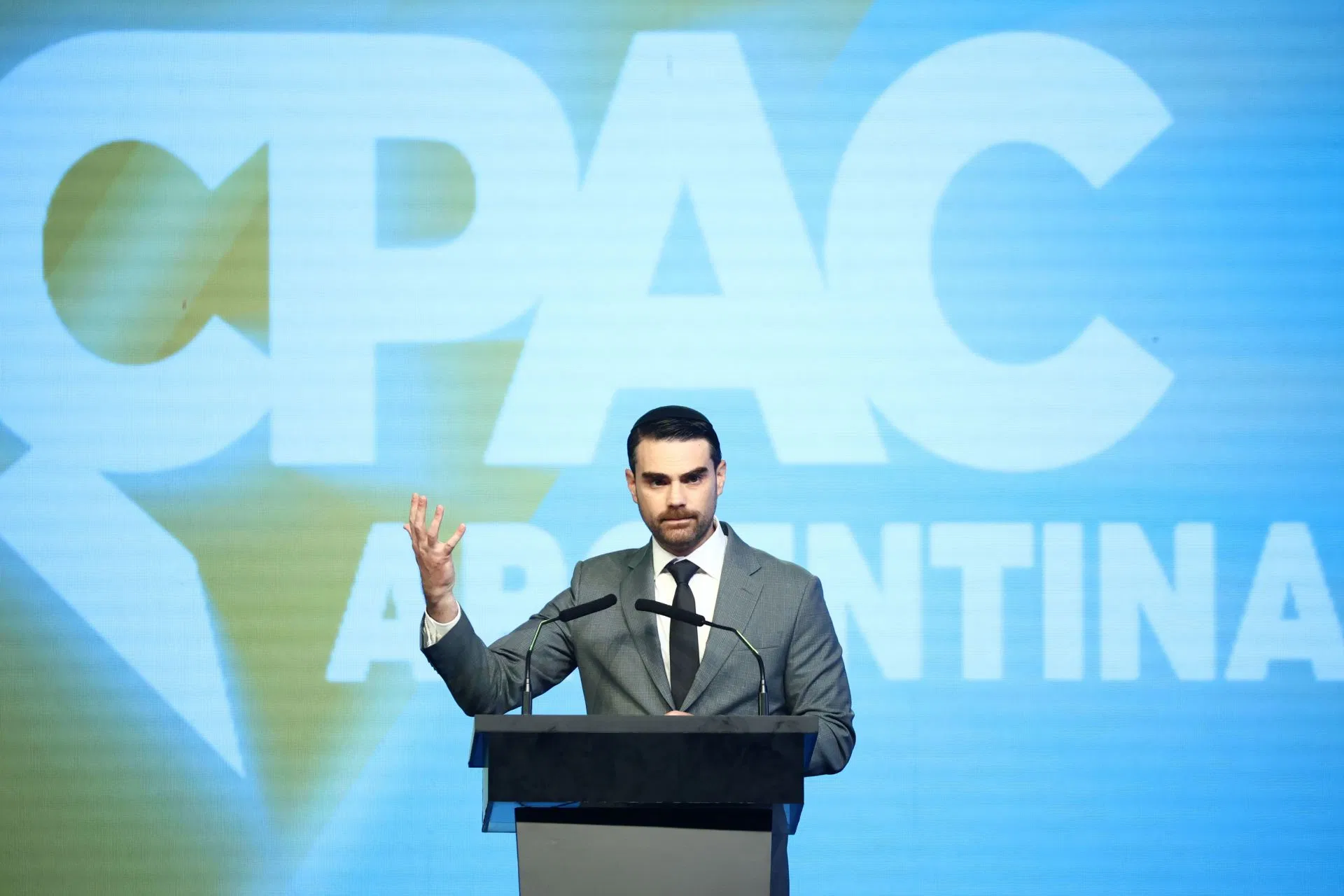

Conservative commentator Ben Shapiro argued this week that the removal of Venezuelan leader Nicolás Maduro under President Donald Trump would deliver concrete benefits to the United States. Speaking on The Ben Shapiro Show in a clip shared on X (formerly Twitter) on January 7, 2026, Shapiro was challenged to explain his position in under 30 seconds.
Shapiro talked about U.S. oil interests, Venezuela’s geopolitical alliances, and migration pressures as central to his case. His comments arrived days after Nicolás Maduro’s dramatic arrest and court appearance in New York, an episode that has intensified debate over U.S. intervention and its consequences. Framing the issue as one of national interest rather than ideology, Shapiro maintained that Maduro’s exit would serve American security and economic priorities, calling the outcome, in his view, “good for America.”
More on what Ben Shapiro said about Nicolás Maduro’s arrest and US interests
In the January 7, 2026, clip circulating on X (formerly Twitter), Ben Shapiro pointed first to energy policy. He said Nicolás Maduro and his predecessor, Hugo Chávez, nationalized Venezuela’s oil industry, a move he argued deprived the United States of access to major oil resources. According to Shapiro, those resources were instead redirected toward countries he described as U.S. adversaries, naming China, Iran, and Russia. He emphasized that Caracas has maintained “deep relationships” with all three governments, framing Venezuela’s energy policy as part of a broader geopolitical alignment against U.S. interests.
Ben Shapiro also linked Venezuela’s regional influence to Cuba, noting that Caracas has historically provided support to Havana, which he highlighted as being roughly 90 miles from U.S. territory. In his telling, the combination of energy nationalization and strategic partnerships made Nicolás Maduro’s government uniquely hostile to American economic and security goals.
These claims were made as Nicolás Maduro faced U.S. criminal charges. According to a BBC report dated January 5, 2026, Maduro and his wife pleaded not guilty in a New York courtroom to charges including narco-terrorism conspiracy, cocaine importation, and weapons offenses following a U.S. operation that led to their arrest.

While Shapiro did not reference the legal case directly, the timing underscored how energy policy and alleged criminal conduct have become intertwined in arguments for regime change.
Beyond oil and geopolitics, Ben Shapiro argued that Nicolás Maduro bears responsibility for a mass displacement crisis. In the same January 7, 2026 clip, he said roughly eight million people have been displaced from Venezuela during Maduro’s rule, adding that many of those migrants ultimately came to the United States. He presented this as a direct cost to Americans, linking Venezuela’s internal collapse to U.S. immigration pressures.
The BBC’s January 5, 2026, report provided additional context to the situation Shapiro referenced. It described Maduro’s first appearance in a U.S. courtroom after his arrest by American forces in Venezuela, where he claimed he had been “kidnapped” and called himself a “president and prisoner of war.” The report detailed the charges against him and outlined the next steps in the legal process, with a future court date set for March 17, 2026.
Edited by Devangee