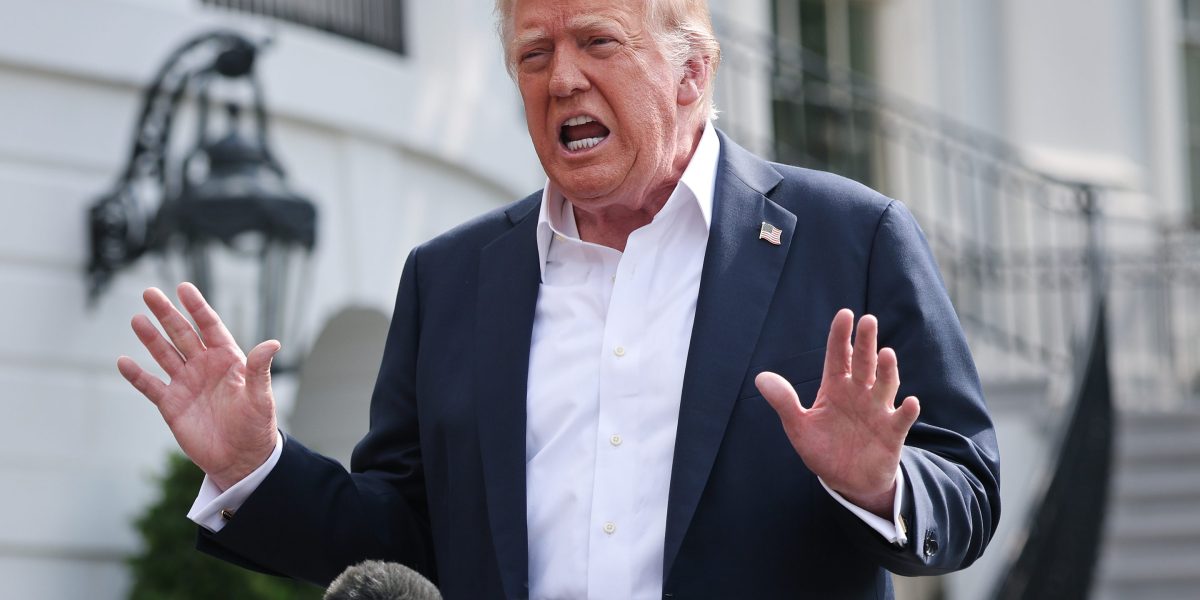
More than two weeks into a war President Donald Trump started without asking allies for buy-in, he is now asking for backup, and mostly getting left on read.
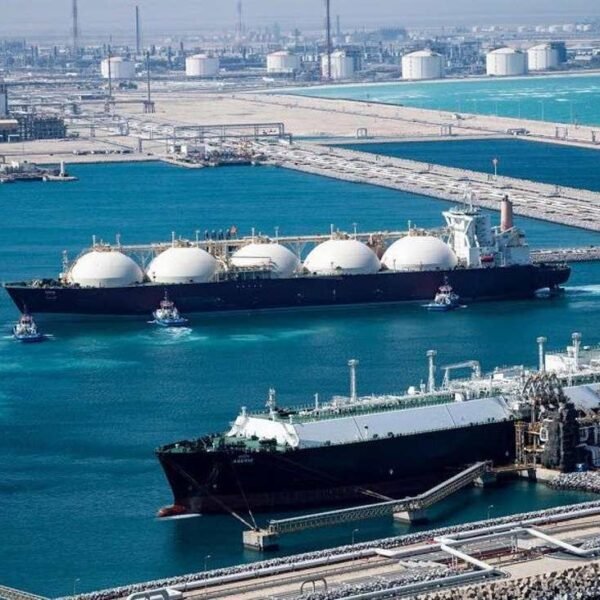
Trump spent the weekend demanding that allies, China, and other Asia-Pacific nations send warships to help reopen the Strait of Hormuz, the chokepoint through which a fifth of the world’s oil normally flows. He even warned Sunday that NATO faces a “very bad future” if allies don’t step up, marking another threat just two months after he precipitated an existential crisis for the alliance over Greenland.
Since the U.S. and Iran launched strikes on Feb. 28, Iran has effectively shut the waterway and may have even begun laying mines. Over the weekend, the messaging around the Strait of Hormuz remained muddled: Tehran said that the Strait was “open to all” except America and its allies, while Treasury Secretary Scott Bessent claimed on CNBC Monday morning that it was the U.S. that “allowed” Iranian oil tankers to cross the strait. The price of U.S. oil lowered significantly on Bessent’ s comments, now under $95 a barrel.
Despite the posturing, only a handful of ships have crossed the Hormuz over the last few days. And the response from the international community to Trump’s calls has varied from a polite silence to outright refusal.
Germany was very blunt.
“This war has nothing to do with NATO. It is not NATO’s war,” a spokesperson for Chancellor Friedrich Merz said Monday, adding that Berlin had “not considered” participating before the war began and will not be considering it now.
Luxembourg’s Deputy Prime Minister Xavier Bettel also laid it on thick, saying that the NATO member is happy to help with satellites and communications but “Blackmail is also not what I wish for.”
EU foreign policy chief Kaja Kallas said the request falls “out of NATO’s area of action”: a reference to Article 6 of the North Atlantic Treaty, which limits the alliance’s mutual defense obligations to the region north of the Tropic of Cancer.
Still, European officials have their own incentive to keep Hormuz open and fear what Trump may do. Not only does Europe rely on Gulf oil supplies, there’s concern Trump will declare victory in Iran in the coming weeks, pull out of the war, and leave them holding the minesweeper (France and the Netherlands historically have some of world’s best minehunting/sweeping technologies).
British Prime Minister Keir Starmer offered the warmest language of any leader Monday, saying the UK is “working with allies, including our European partners, to bring together a viable collective plan” to restore navigation, but still committed no ships or timeline. Starmer also defended his refusal to join the offensive, saying he wouldn’t send British forces into a war “without a plan to get us out.”
In Asia, the response has been equally noncommittal. China’s foreign ministry sidestepped questions about sending ships, while Japanese Prime Minister Sanae Takaichi, who visits the White House Thursday, has offered no promise. Trump told the Financial Times he’d like to know Beijing’s position before a planned summit at the end of March—a trip Bessent acknowledged could be delayed, though he insisted any schedule change would reflect logistics as opposed to a rift.
Australia also ruled out sending naval vessels, but said last week it would send a surveillance aircraft to the Middle East. South Korea said it will note Trump’s requests but would be exploring “various measures from multiple angles.”
The one bright spot for Washington is that the UAE doubled down on U.S. ties, showing strength after absorbing nearly 2,000 Iranian projectiles. “We don’t take to being bullied around,” Reem Al-Hashimy, the UAE’s minister for international cooperation, told the ABC.
Meanwhile, the cost of inaction keeps climbing. Oil hit its highest level since July 2022 last week, and U.S. gas prices are already up 20% since the war started. The International Energy Agency called the disruption “the largest supply disruption in the history of the global oil market.”